
Bourgogne-Franche-Comté
French region in eastern France created in 2016 by merging Burgundy and Franche-Comté; known for wine, cheese, Jura landscapes and historical cities such as Dijon and Besançon.
Overview
Bourgogne-Franche-Comté is an administrative region in eastern France formed by the 2016 merger of the historic regions of Burgundy (Bourgogne) and Franche-Comté. It combines fertile plains, renowned vineyards and parts of the Jura mountains. For map reference and precise coordinates see location data. The region is one of the current administrative regions of France.
Image gallery
10 Images


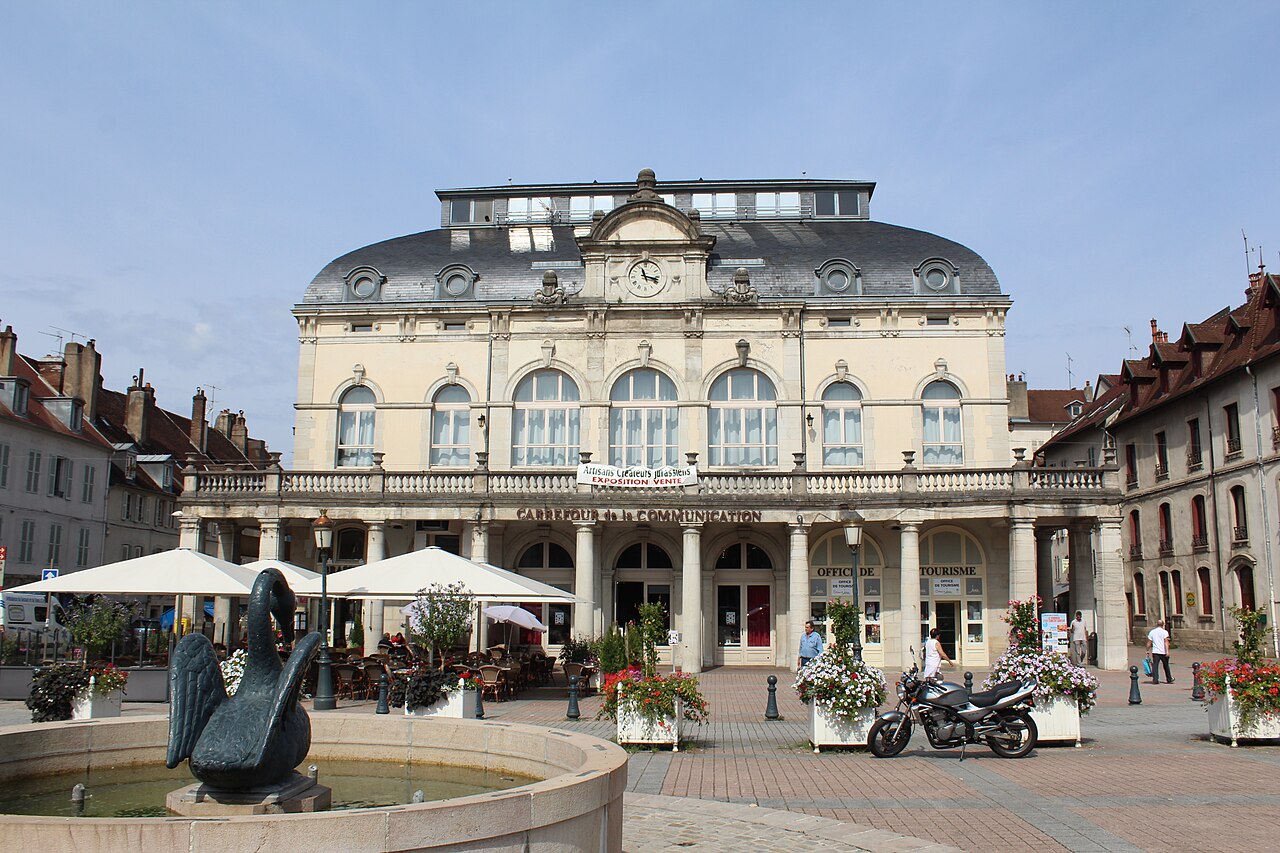


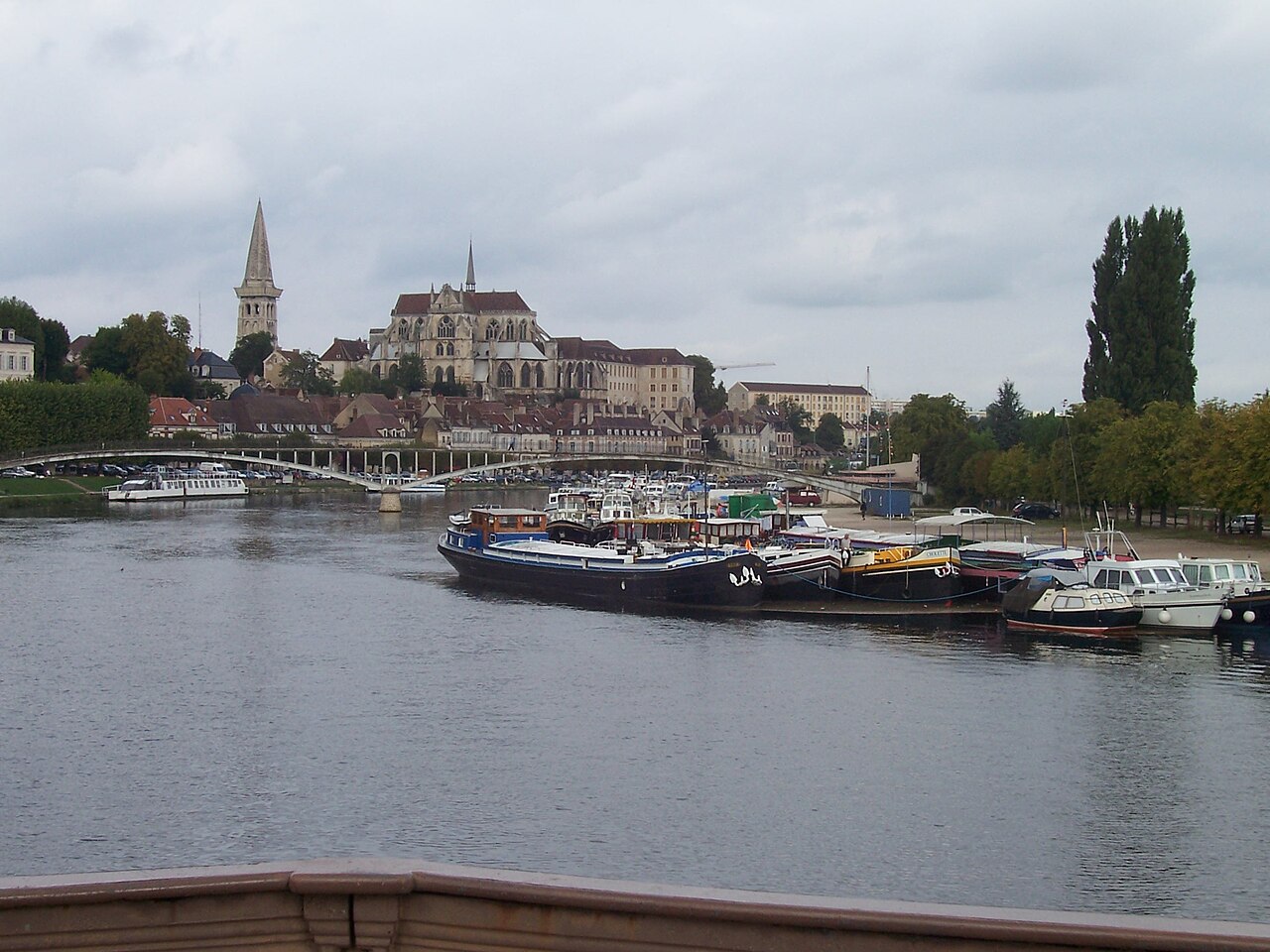

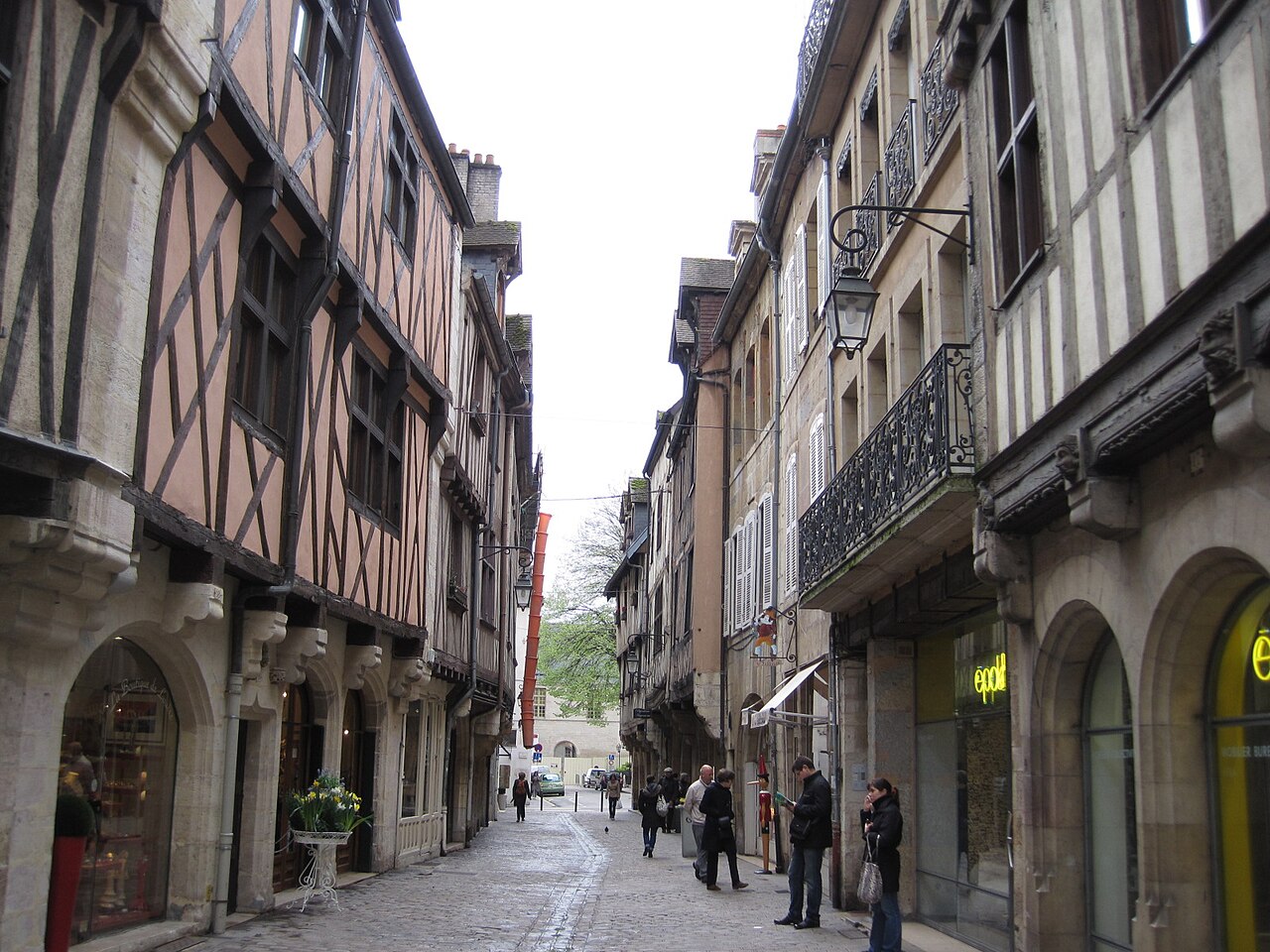
Geography and landscape
The territory stretches from low-lying river valleys and agricultural plains in the west to forested foothills and limestone ridges of the Jura in the east, bordering Switzerland. Major rivers, important agricultural land and interlaced transport corridors shape its physical geography. The variety of terrain supports vineyards, pastures and woodland.
History and identity
Two distinct historical provinces were brought together: Burgundy, with a medieval ducal heritage and a long tradition of viticulture, and Franche-Comté, a borderland with mountain settlements and artisan industries. Their histories diverge and converge through medieval duchies, early modern political shifts and eventual incorporation into the modern French state. The 2016 administrative fusion created a single regional entity while local identities remain strong.
Economy, products and culture
The region is internationally known for Burgundy wine (notably Pinot Noir and Chardonnay varieties), the mustard of Dijon and Comté cheese from the Jura areas. Industry ranges from agriculture and food processing to precision manufacturing such as watchmaking and microtechnology in parts of Franche-Comté. Tourism emphasizes gastronomy, wine routes, historic towns and outdoor activities in the Jura.
Administration and major places
The regional capital is Besançon, while other important urban centers include Dijon and Belfort. The modern region brought together the administrative structures of both former regions; historical seats and institutions remain distributed across the territory. Further administrative information can be found via the page on the former regions: Bourgogne and Franche-Comté. For official regional administration details consult regional authorities.
Notable features and visiting
- Heritage sites and medieval towns, including citadels and abbeys, attract cultural tourism.
- Wine routes provide access to vineyards, cellars and tasting rooms.
- Mountain landscapes offer hiking, winter sports and nature tourism in the Jura.
Bourgogne-Franche-Comté is therefore a region where culinary reputation, historic depth and varied landscapes meet, forming an area of both rural traditions and modern industry in eastern France.
Questions and answers
Q: What are the coordinates of Bourgogne-Franche-Comté?
A: The coordinates of Bourgogne-Franche-Comté are 47°19′23″N 5°2′31″E.
Q: What is Bourgogne-Franche-Comté?
A: Bourgogne-Franche-Comté is an administrative region of France.
Q: When was Bourgogne-Franche-Comté formed?
A: Bourgogne-Franche-Comté was formed in 2016.
Q: Which two old regions were merged to form Bourgogne-Franche-Comté?
A: The two old regions that were merged to form Bourgogne-Franche-Comté are Bourgogne and Franche-Comté.
Q: Where is Bourgogne-Franche-Comté located?
A: Bourgogne-Franche-Comté is located in eastern France.
Q: What is the capital of Bourgogne-Franche-Comté?
A: The capital of Bourgogne-Franche-Comté is Besançon.
Q: What does "Bourgogne-Franche-Comté" mean?
A: "Bourgogne-Franche-Comté" means "Burgundy–Free County".
Related articles
Author
AlegsaOnline.com Bourgogne-Franche-Comté Leandro Alegsa
URL: https://en.alegsaonline.com/art/13389
Sources
- insee.fr : "Région de Bourgogne-Franche-Comté (27)"
- insee.fr : "Populations légales 2014: Recensement de la population - Population des régions"
- bourgognefranchecomte.fr : "Liste des élus par commission"
- annuaire-mairie.fr : "Ville de Besançon"
- peakbagger.com : "Crêt Pela, France/Spain"
- peakbagger.com : "France Department High Points"
- insee.fr : "Populations légales 2014 des départements et des collectivités d'outre-mer"