
Sarayu River
The Sarayu is a culturally important river of northern India that flows past Ayodhya. It has Himalayan origins, joins the Ganges system, and appears in ancient Sanskrit literature such as the Ramayana.
Overview
The Sarayu is a river in northern India associated most closely with the historic city of Ayodhya. It rises in the Himalayan region and flows across parts of what is today Uttar Pradesh before joining the larger Ganges river system. The river is best known for its repeated mention in classical Sanskrit literature and in the epic Ramayana, where it appears as the river running past Ayodhya.
Image gallery
1 Image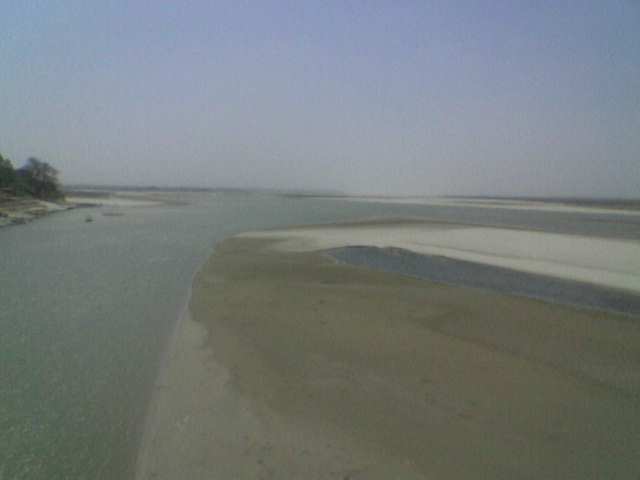
Course and characteristics
Descriptions of the Sarayu vary by source and by local usage. In general it is described as having Himalayan headwaters and a course that carries it into the Ganges basin. Some accounts treat the Sarayu as part of the larger Ghaghara system, while local usage often refers specifically to the stream that flows by Ayodhya. The river’s flow is seasonal, with higher discharge in the monsoon months and lower levels in the dry season.
Cultural and historical significance
The Sarayu has a central place in Hindu religious geography. Ancient texts and later devotional traditions associate the river with the life and legend of Lord Rama; the banks of the Sarayu at Ayodhya have long been sites for ritual bathing, ceremonies, and pilgrimage. References to the river appear in epic and Puranic literature, and the river remains an important symbol in local religious practice.
Uses, environment and challenges
Locally the Sarayu supports agriculture, provides water for communities, and underpins many religious activities. Like many rivers in the region, it is subject to seasonal flooding during monsoon rains and reduced flows in dry periods. Urbanization, water extraction and pollution are contemporary pressures that affect river health and water quality along its course.
Key facts
- Country: India
- State (principal): Uttar Pradesh
- Associated city: Ayodhya
- Notable literature: Ramayana
- Confluence: joins the Ganges river system
The Sarayu remains both a geographic feature and a living element of cultural identity for communities along its banks. For scholars and visitors it illustrates the close ties between rivers, religious history, and everyday life in northern India.
Related articles
Author
AlegsaOnline.com Sarayu River Leandro Alegsa
URL: https://en.alegsaonline.com/art/87326