
Saône-et-Loire: department of Bourgogne-Franche-Comté, France
Saône-et-Loire is a central-eastern French department in Bourgogne-Franche-Comté, named for the Saône and Loire rivers; known for varied landscapes, vineyards, Roman and medieval heritage, and rural traditions.
Overview
Saône-et-Loire is a department in central-eastern France. It lies within the administrative area of Bourgogne-Franche-Comté and is also frequently referenced in regional contexts via official and tourist resources such as the regional portal. The name of the department comes from its two principal waterways, which have shaped settlement, transport and agriculture for centuries.
Image gallery
10 Images




Geography and landscape
The department is crossed by two important rivers: collectively referred to as the Saône and the Loire. The Saône runs through eastern lowlands and towns, creating fertile floodplains and historic inland navigation routes; the Loire marks more westerly valleys and has influenced settlement and transport toward central France. The territory includes vineyard slopes of the Mâconnais and Côte Chalonnaise, rolling hills, wooded areas and open agricultural plains.
History and heritage
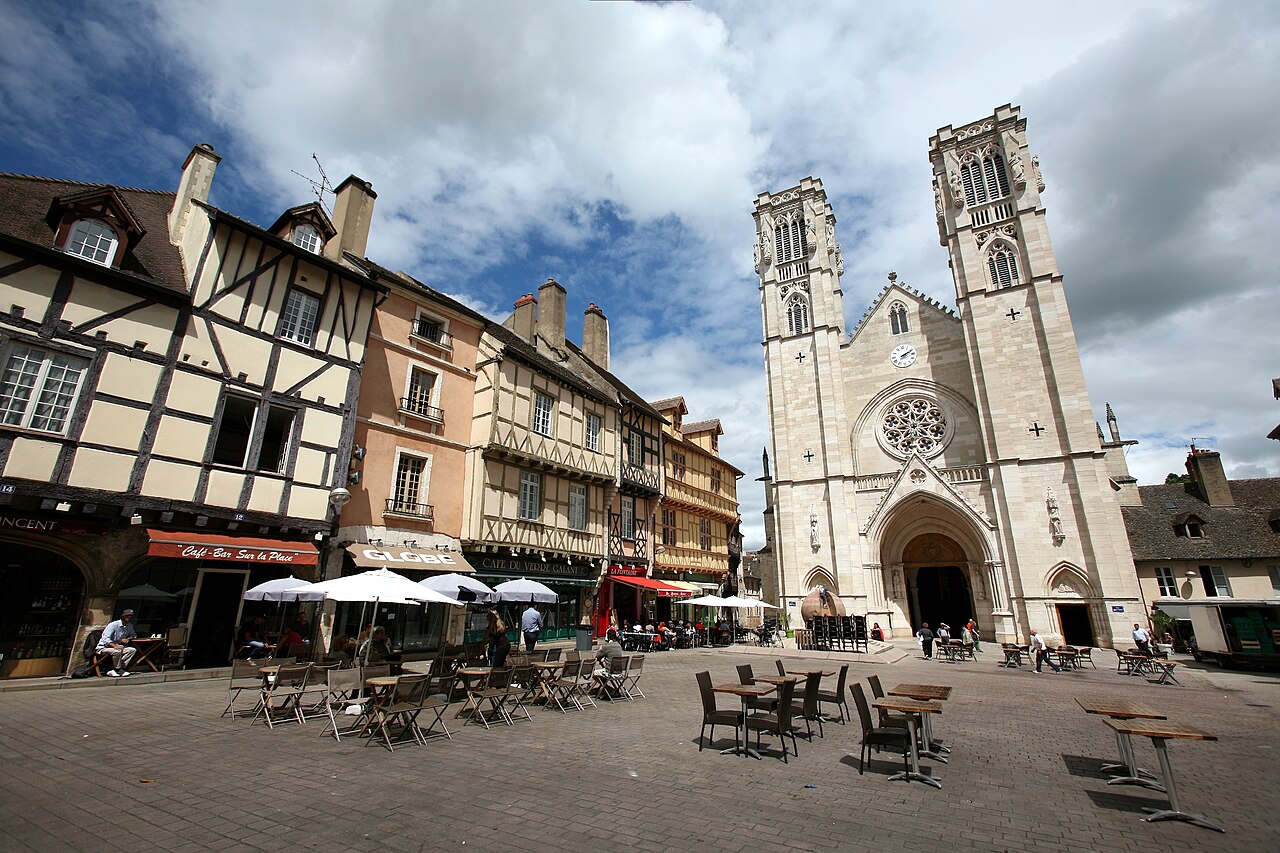
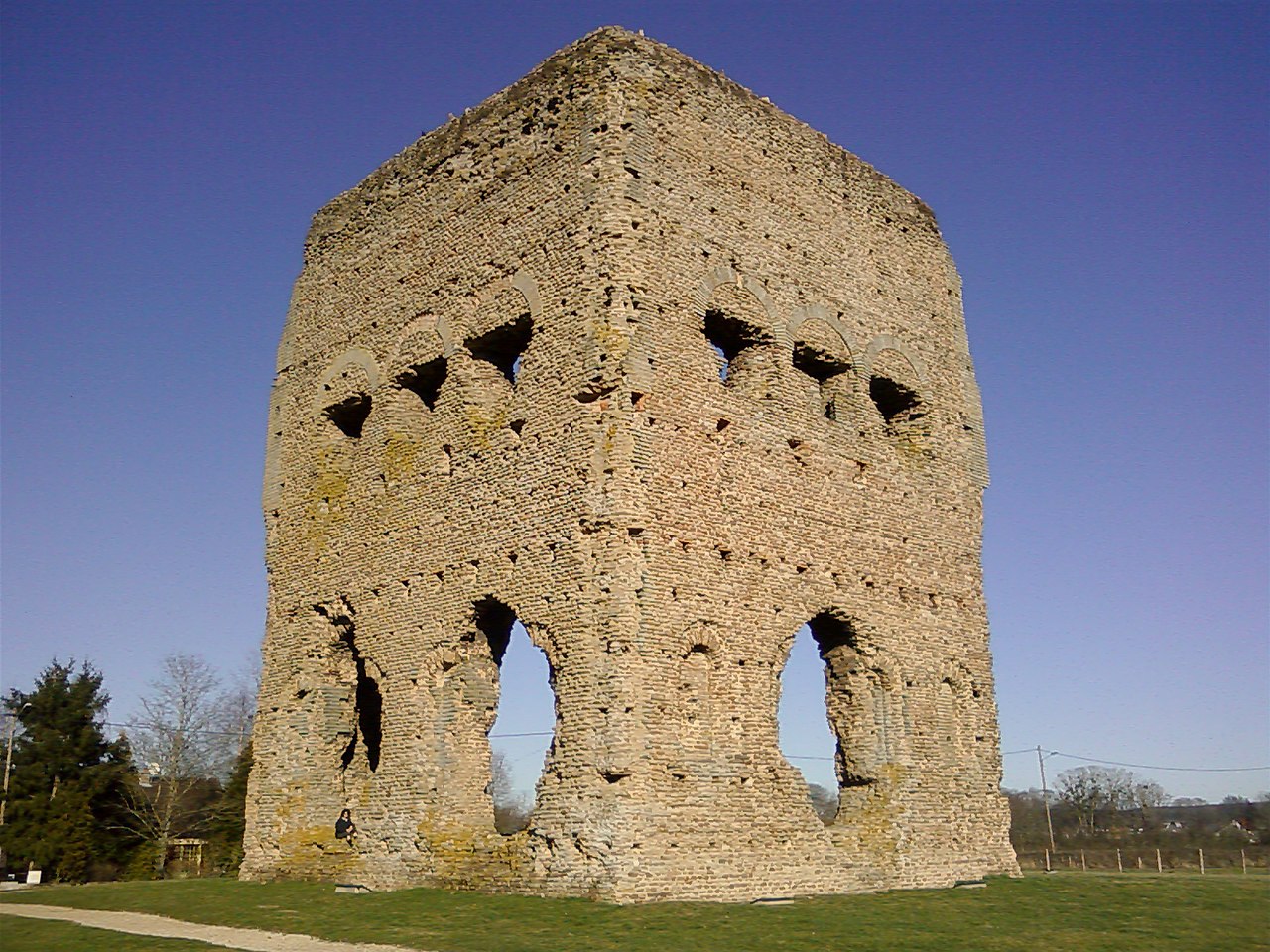
Saône-et-Loire has layered historical roots. It contains important Roman and medieval sites, including remains of ancient towns and churches. Monastic centres and abbeys, notably those that were influential in the Middle Ages, reflect the department's ecclesiastical and cultural heritage. Many towns preserve civic monuments and traditional architecture that attract visitors interested in history and archaeology.
Economy and agriculture
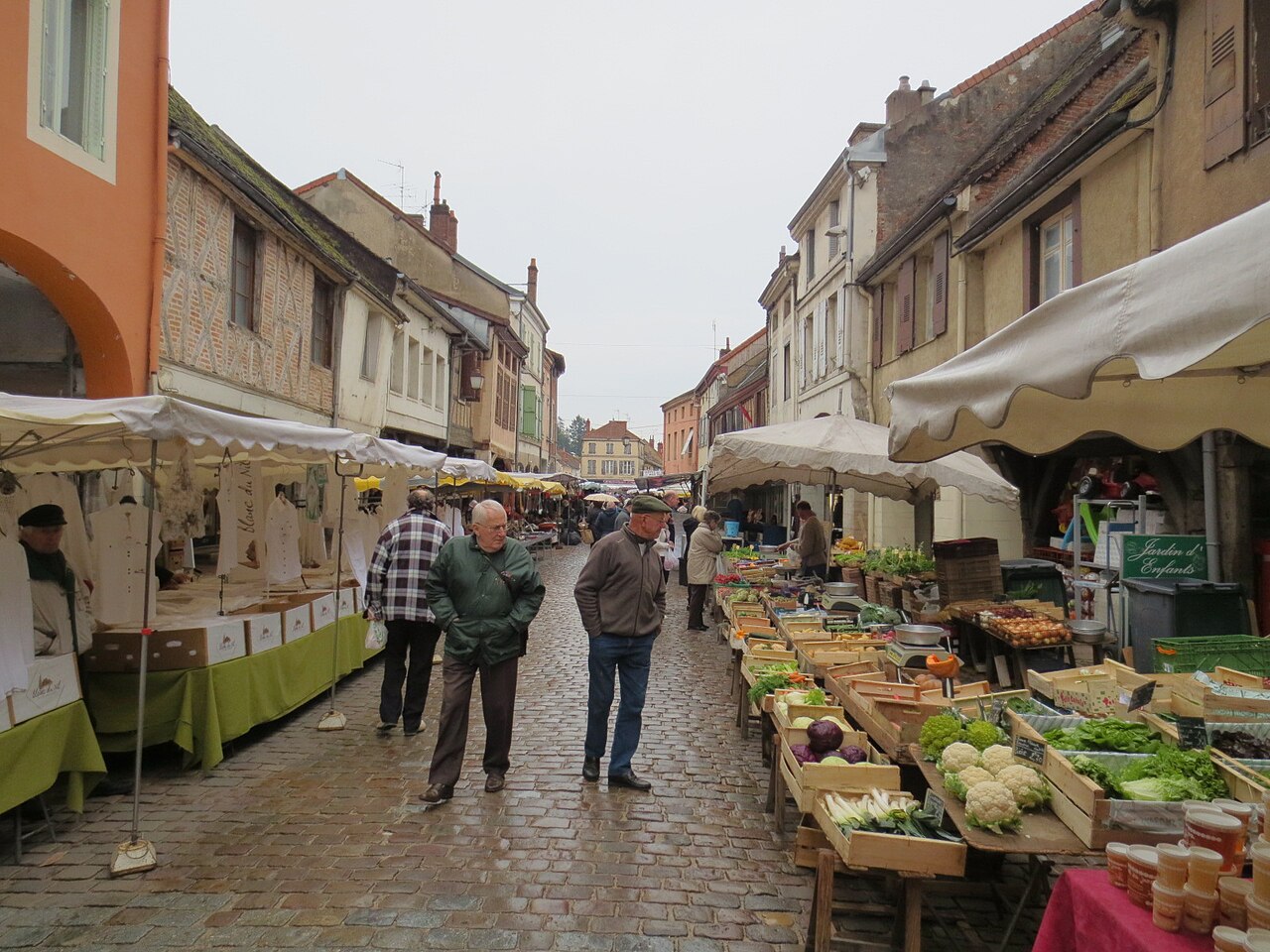
The local economy is diverse, with a strong agricultural base. Viticulture is prominent in areas such as the Mâconnais and Côte Chalonnaise, which form part of the broader Burgundy wine tradition. Cattle breeding, including the Charolais beef region, plays an important role, alongside mixed farming, food processing and small- to medium-sized industries. Local markets and artisanal producers contribute to a distinctive culinary profile.
Administration, population and towns
The largest city is Chalon-sur-Saône, a riverside centre known for its cultural institutions and museums, including a collection dedicated to early photography. The administrative prefecture is the smaller town of Mâcon, often described simply as the department's prefecture. Other notable urban centres and market towns provide services for the surrounding rural areas and support regional tourism.
Transport and tourism
Historically, rivers and canals were vital for movement of goods; today road and rail links connect towns within the department and to larger cities. Tourism is oriented around wine routes, historic sites such as Roman remains and medieval abbeys, walking and cycling in rural landscapes, and seasonal festivals celebrating local food and wine.
Culture and specialties
Gastronomy and wine are important aspects of local identity. Visitors encounter regional cheeses, charcuterie, bistros and wine cellars where Mâconnais and other local appellations are showcased. Cultural events, museums and preserved historic centres promote the department's heritage and contemporary cultural life.
Places of interest
- Chalon-sur-Saône – riverside city with photographic collections and historic districts.
- Mâcon – the prefectural centre and gateway to nearby vineyards.
- Roman Autun and the abbey of Cluny are among the region's principal heritage sites visited for their architectural and historical significance.
Contemporary role
Saône-et-Loire combines agricultural production with heritage tourism and local industry. It remains important for French wine geography, rural traditions and as a region where natural landscapes and historical towns provide varied opportunities for visitors and residents. For more administrative and visitor information see regional or departmental resources such as official guides and local cultural sites (regional page).
Questions and answers
Q: What region is Saône-et-Loire in?
A: Saône-et-Loire is in the Bourgogne-Franche-Comté region.
Q: What are the two main rivers in the department?
A: The two main rivers in the department are the Saône and Loire Rivers.
Q: What is the largest city in Saône-et-Loire?
A: The largest city in Saône-et-Loire is Chalon-sur-Saône.
Q: Where is the prefecture (capital) of this department located?
A: The prefecture (capital) of this department is located in Mâcon, which is a smaller city.
Q: How did this department get its name?
A: This department got its name from the two main rivers that flow through it, namely, the Saône and Loire Rivers.
Q: Is Mâcon larger than Chalon sur Saone?
A: No, Mâcon is smaller than Chalon sur Saone.
Related articles
Author
AlegsaOnline.com Saône-et-Loire: department of Bourgogne-Franche-Comté, France Leandro Alegsa
URL: https://en.alegsaonline.com/art/87254
Sources
- saoneetloire71.fr : "Le président"
- insee.fr : "Département de Saône-et-Loire (71)"
- insee.fr : "Populations légales 2014: Recensement de la population - Régions, départements, arrondissements, cantons et communes"
- splaf.free.fr : "Historique de Saône-et-Loire"
- cg71.fr : "Histoire"
- weatherbase.com : "Charnay-lès-Mâcon, France - Climate Summary"
- insee.fr : "Département de Saône-et-Loire (71)"
- insee.fr : "Régions, départements, arrondissements, cantons et communes"
- insee.fr : "Département de Saône-et-Loire (71)"
- legifrance.gouv.fr : "Décret n° 2014-182 du 18 février 2014 portant délimitation des cantons dans le département de Saône-et-Loire"
- habitants.fr : "Saône-et-Loire (71)"