
Santiago Province (Dominican Republic)
Santiago Province is a north‑central Dominican province anchored by Santiago de los Caballeros. It combines fertile valley agriculture, manufacturing, cultural institutions and mountainous highlands.
Overview
Santiago Province lies in the north‑central part of the Dominican Republic. Its capital and largest urban center is Santiago de los Caballeros, the country's second‑largest city and the province's namesake. The province is an economic and cultural hub for the northern Cibao region, with a mix of dense urban areas, agricultural valleys and upland communities.
Image gallery
10 Images




Geography and environment
The province occupies the eastern section of the Yaque del Norte Valley, often referred to as the Línea Noroeste or the western part of the broader Cibao Valley. The Yaque del Norte river runs through the area, feeding fertile plains used for intensive agriculture. To the south the terrain rises toward the Cordillera Central, producing cooler highland zones where coffee and other crops are grown. This range of elevations creates noticeable climatic differences between the warm valley floor and the milder mountain settlements.
History and culture
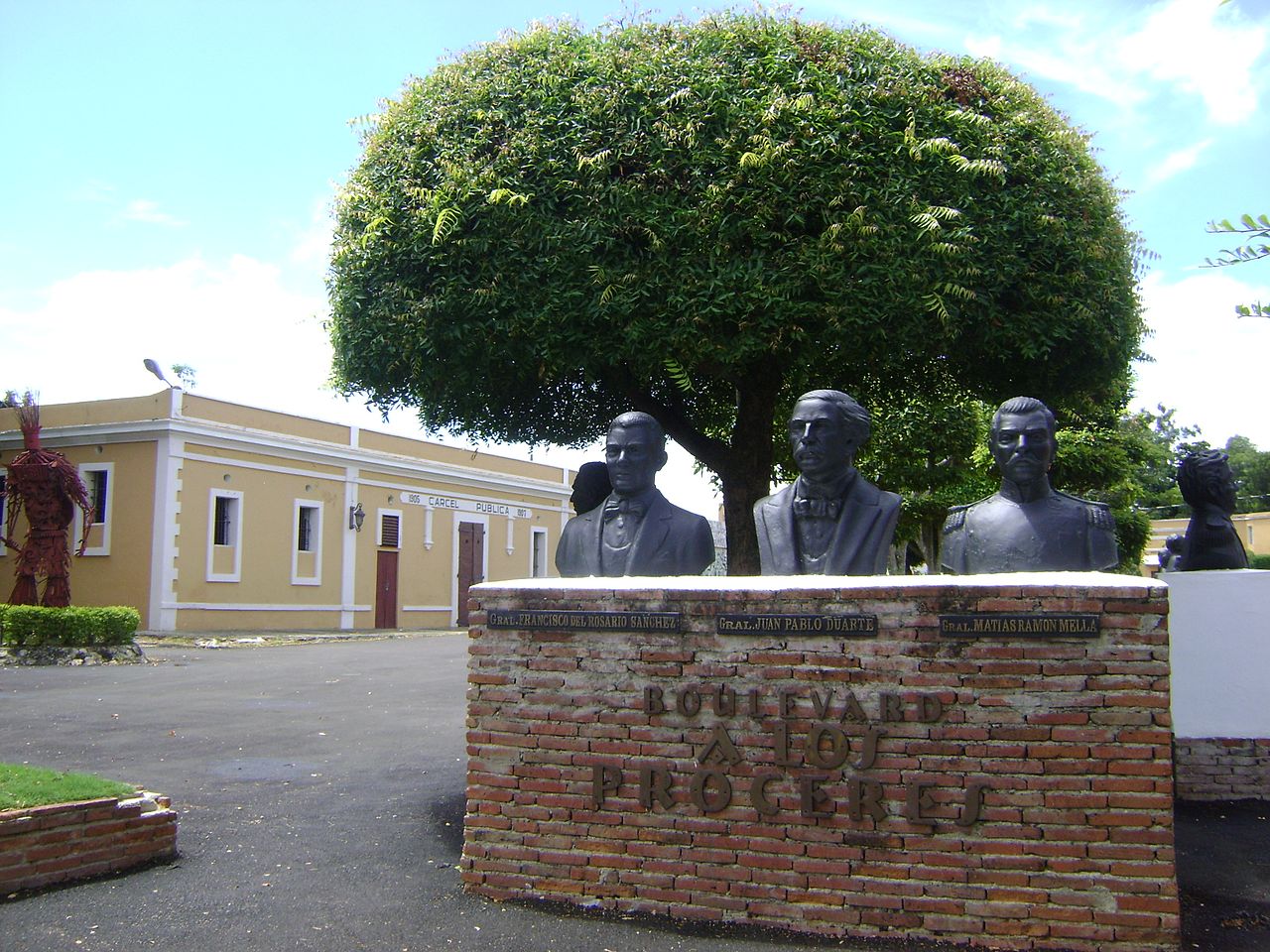
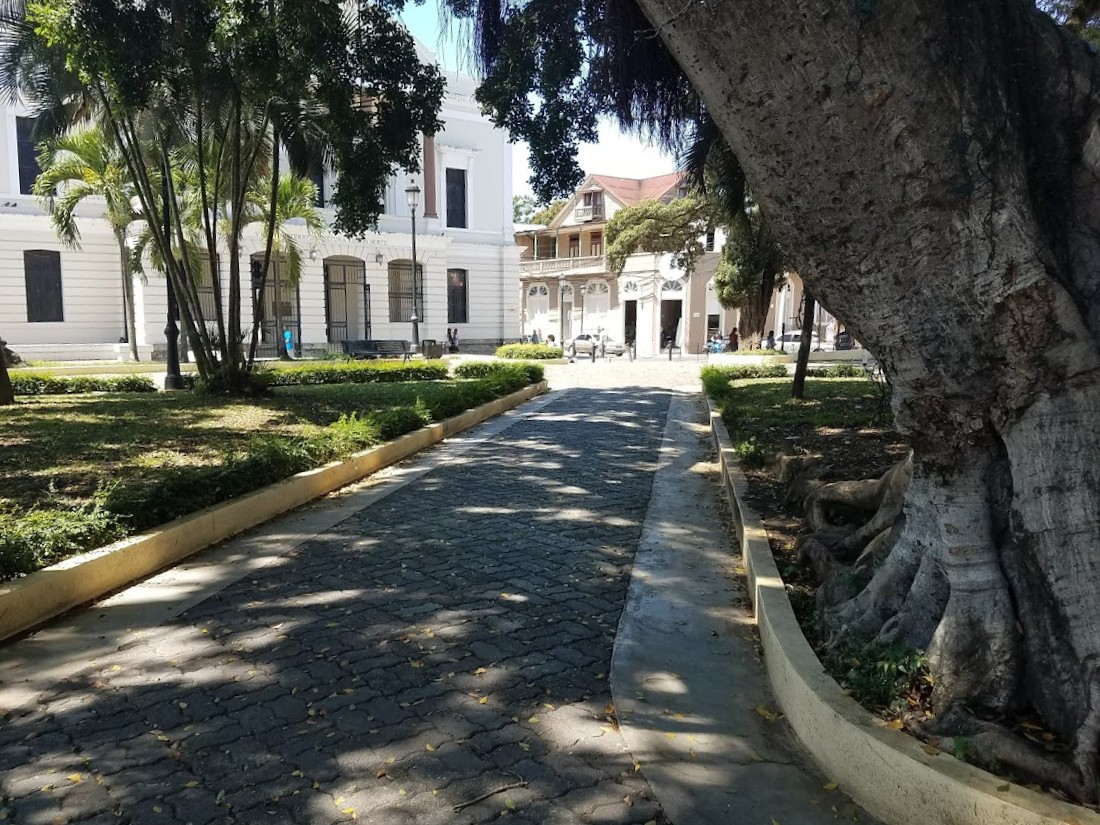
Santiago has deep colonial roots and developed over centuries as a regional center of trade and agriculture. The provincial capital hosts important civic monuments, museums and cultural institutions, and the city is known for its festivals, musical life and strong baseball tradition. Landmarks and local universities contribute to its role as a regional center for education and the arts. For a general provincial profile see province information.
Economy and transport
The local economy combines agriculture—such as tobacco, rice and mountain coffee—with manufacturing, food processing, services and commerce. The nearby Cibao International Airport and major highways connect Santiago to Santo Domingo and the rest of the country, supporting both business travel and tourism. Visitors can consult a travel overview at regional travel guide.
Administrative divisions and communities
Administratively, the province includes the capital municipality and several smaller towns and rural districts, ranging from industrial suburbs to mountain villages known for ecotourism and agriculture. Examples of municipalities and notable communities include urban Santiago and mountain towns such as Jánico and San José de las Matas. A provincial map or municipal list can be found at province map.
Notable facts
- The Yaque del Norte is the principal river shaping the valley’s agriculture.
- Santiago de los Caballeros is renowned for cigar production, education centers, and lively cultural events.
- The province combines important industrial activity with scenic highland areas favored for outdoor recreation and coffee farms.
Santiago Province therefore stands as one of the Dominican Republic’s most dynamic regions: agriculturally productive, industrially active and culturally influential, with easy transport links and diverse landscapes from valley plains to mountain slopes.
Questions and answers
Q: What province is Santiago in?
A: Santiago is a Dominican province.
Q: Where is Santiago located?
A: Santiago is located in the north central part of the country.
Q: What is the capital city of Santiago?
A: The capital city of Santiago is Santiago de los Caballeros, which is also the second largest city in the country.
Q: What river runs through the province?
A: The River Yaque del Norte runs through the province.
Q: What valley does the River Yaque del Norte run through?
A: The River Yaque del Norte runs through the Yaque del Norte Valley, which is also known as Línea Noroeste ("Northwestern Line").
Q: How does this valley relate to another one? A: This valley is part of the Cibao Valley.
Related articles
Author
AlegsaOnline.com Santiago Province (Dominican Republic) Leandro Alegsa
URL: https://en.alegsaonline.com/art/87196
Sources
- commons.wikimedia.org : Santiago Province
- one.gob.do : "División Territorial 2012"
- censo2010.one.gob.do : "IX Censo Nacional de Población y Vivienda 2010"
- one.gob.do : "División Territorial 2015"
- one.gob.do : "REPÚBLICA DOMINICANA: Población por año calendario, según sexo y grupos quinquenales de edad, 2015-2020"
- geonames.org : "Santiago de los Caballeros"
- caribjsci.org : "The Highest Mountain in the Caribbean: Controversy and Resolution via GPS"