
Santa Fe, New Mexico — capital, culture, and historic city
Santa Fe is New Mexico's capital, noted for its high-desert setting, Pueblo and Spanish-colonial architecture, rich Indigenous and Hispanic heritage, and a prominent arts and tourism economy.
Overview
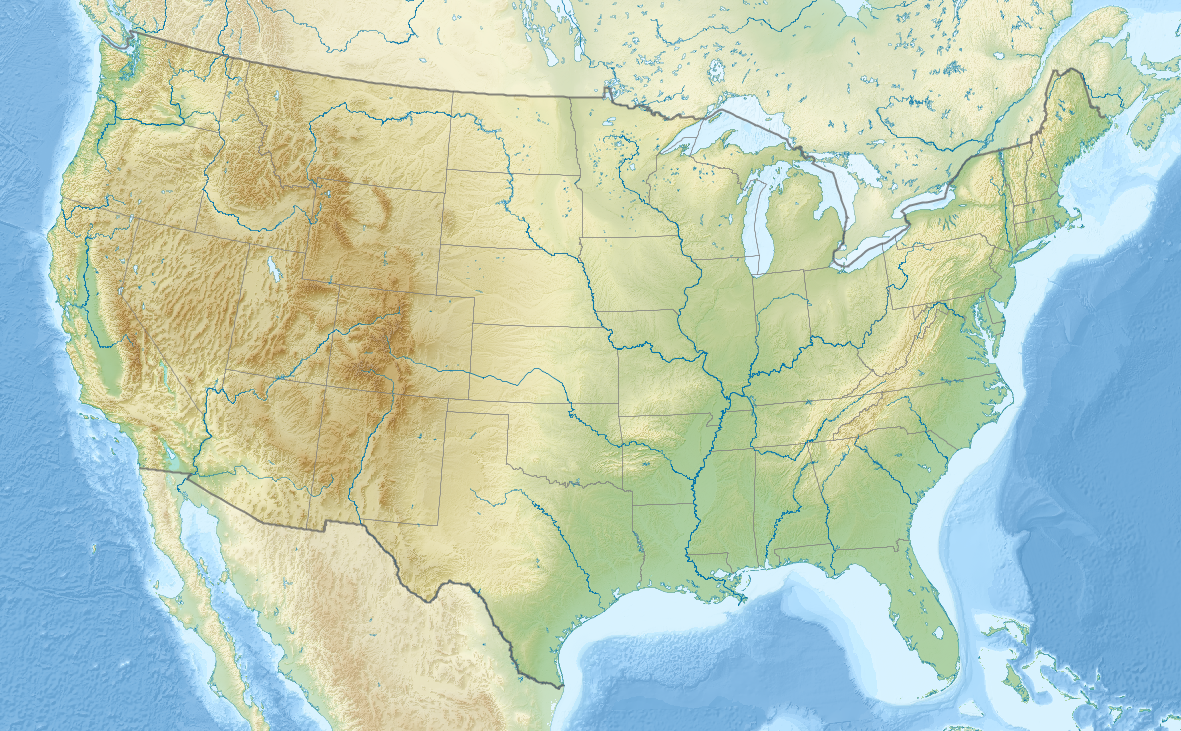
Santa Fe is the capital of the U.S. state of New Mexico and the principal city of its surrounding metropolitan area. Known in local Indigenous languages as Ogha Po'oge (Tewa) and Yootó (Navajo), the city's Spanish name translates as "holy faith." The municipality is the county seat of Santa Fe County. According to the 2010 census, the city had 67,947 residents; it also acts as a regional hub for government, arts, and tourism.
Image gallery
10 Images




Geography and climate
Situated on a high plateau near the Sangre de Cristo Mountains, Santa Fe stands at roughly 7,000 feet above sea level. The location produces a high-desert climate with strong sunlight, low humidity, hot but brief summers, cool autumns, and cold winters that can include snow. Elevation affects weather patterns and contributes to clear skies and notable seasonal contrasts.
History
Santa Fe's colonial roots date to the early 17th century when Spanish authorities established a provincial capital; its long formal name reflected dedication to St. Francis of Assisi. The area had been inhabited for centuries by Pueblo peoples and later became a cultural crossroads where Indigenous, Spanish, Mexican, and Anglo-American influences met. After a period under Mexican rule, the city became part of the United States and, upon New Mexico's statehood in 1912, served as the state capital.
Culture, economy and events
Santa Fe has a nationally recognized arts community, with numerous galleries, studios, and museums concentrated around the historic Plaza and Canyon Road. Annual gatherings such as the Santa Fe Indian Market, music and opera festivals, and craft fairs attract visitors and collectors. The local economy depends on state government, tourism, arts and crafts, education, and service industries. Regional cuisine—especially dishes built around New Mexican chile—reflects the area's blended Indigenous and Hispanic culinary traditions.
Architecture and landmarks
The city's appearance is distinguished by adobe construction and Pueblo Revival architecture, featuring earth-toned walls, flat roofs, and wooden vigas. Key sites include:
- Santa Fe Plaza and the Cathedral Basilica of St. Francis of Assisi
- Canyon Road's galleries and the Georgia O'Keeffe Museum
- Loretto Chapel with its famed spiral staircase
- Nearby public lands such as the Santa Fe National Forest
Notable distinctions
Often described as one of the oldest capital cities in the United States, Santa Fe's continuous habitation and early role as a colonial capital give it a distinct historical standing. Its blend of Indigenous heritage, Spanish-colonial history, a high-desert environment, and a concentrated artistic culture make it a unique urban center in the American Southwest.
Related articles
Author
AlegsaOnline.com Santa Fe, New Mexico — capital, culture, and historic city Leandro Alegsa
URL: https://en.alegsaonline.com/art/87129
Sources
- census.gov : "Incorporated Places and Minor Civil Divisions: New Mexico 2000–2009"
- britannica.com : "Santa Fe (New Mexico, United States) – Britannica Online Encyclopedia"
- nationsonline.org : "Google Map of Santa Fe"
- museumhill.org : "Museum Hill homepage"
- spanishcolonial.org : "Museum of Spanish Colonial Art homepage"