
San Diego Creek (Orange County, California)
San Diego Creek is a 15-mile creek in Orange County, California, draining a roughly 112-square-mile watershed into Upper Newport Bay and the Pacific Ocean; it has major ecological and urban-management importance.
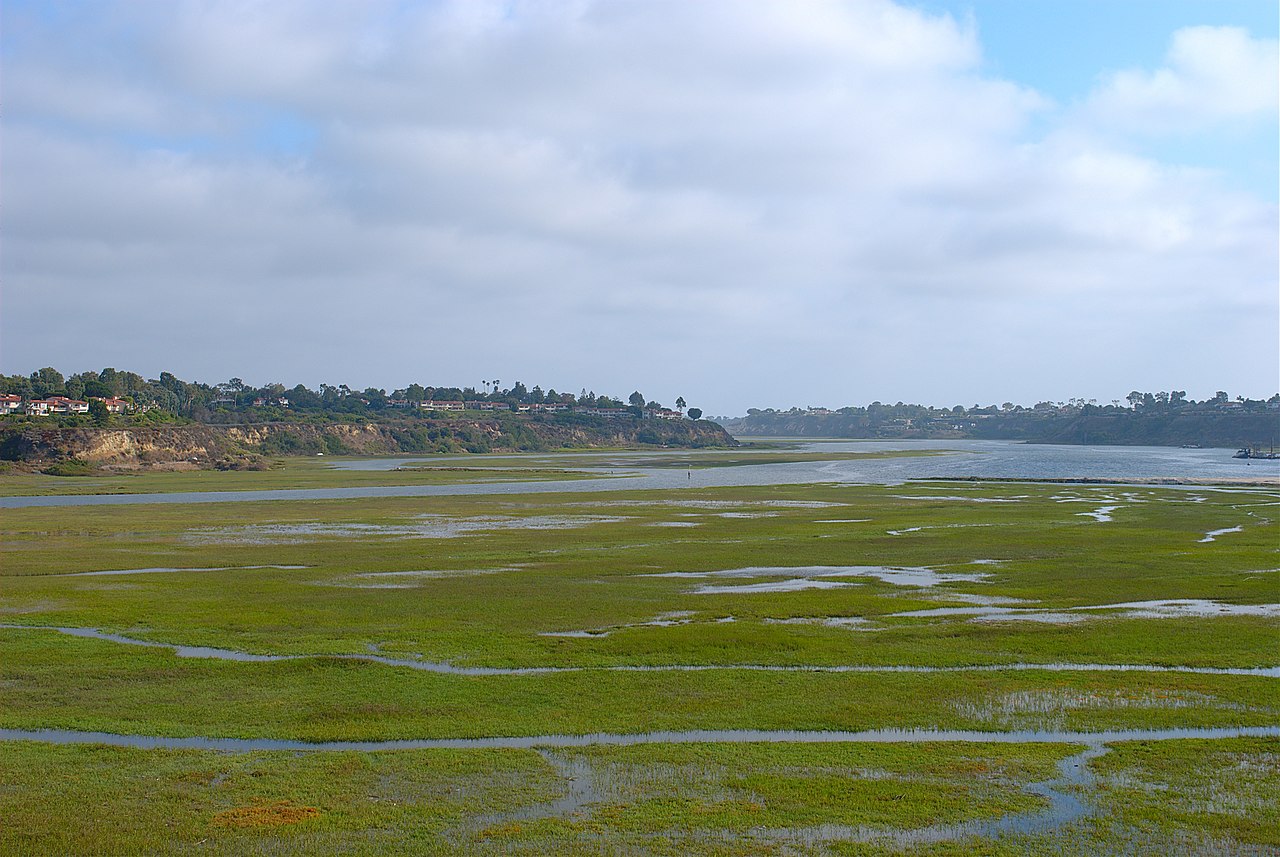
San Diego Creek is a northwest-flowing watercourse in Orange County, California. About 15 miles (24 km) long, it drains a watershed of approximately 112.2 square miles (291 km²) before emptying into Upper Newport Bay, a tidal inlet that leads to the Pacific Ocean. Several of the creek's feeder streams originate in the Santa Ana Mountains and flow westward to join the main channel; these are commonly referred to as its tributaries.
Image gallery
8 Images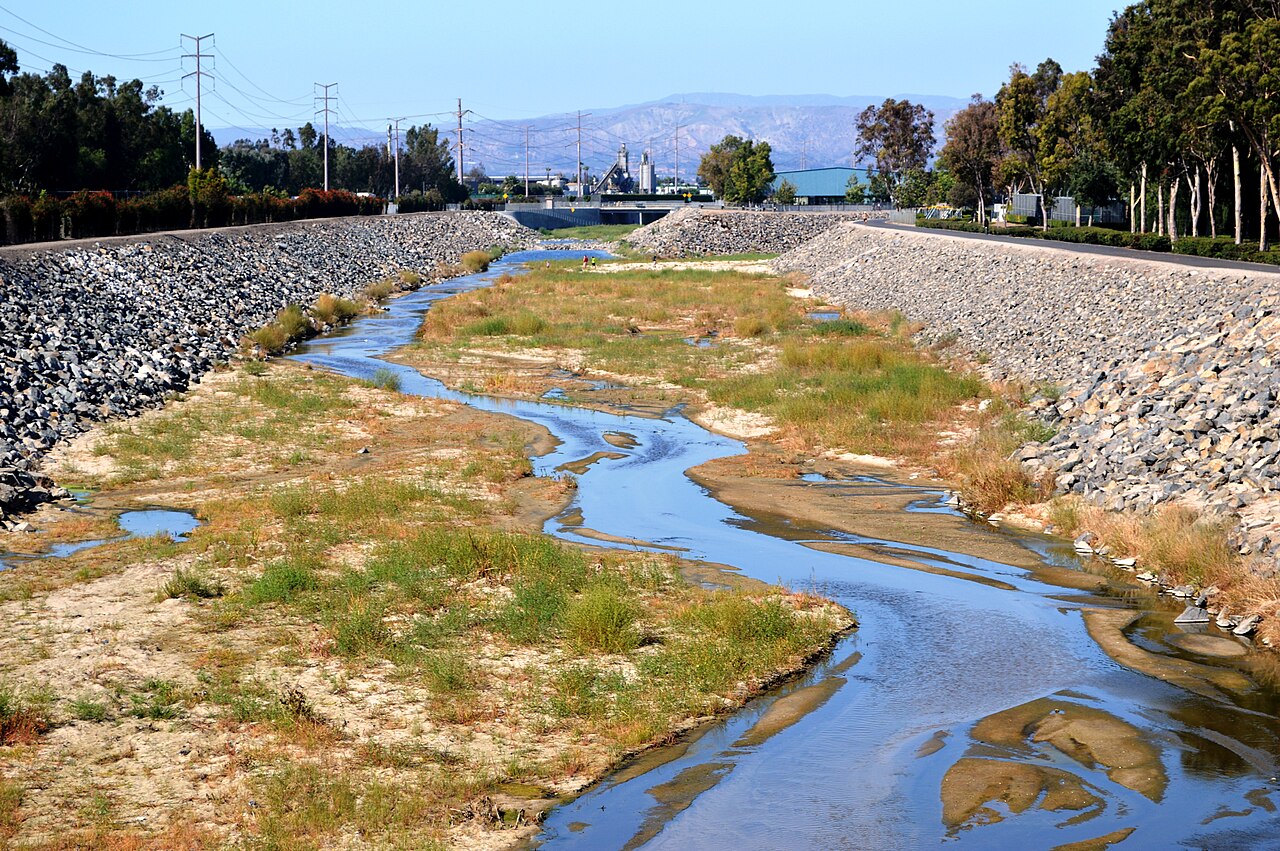


Characteristics and course
The creek begins on the inland slopes of the local coastal ranges and travels northwest through a mix of natural and heavily urbanized landscapes. Its channel alternates between natural reaches and engineered or channelized sections developed for flood control and stormwater management. Seasonal flow varies with rainfall and urban runoff; the system is influenced by both local precipitation events and upstream land use.
History and human impact
Historically the watershed supported wetlands and seasonal streams. Over the 20th century, growth in Orange County led to substantial modification of channels, construction of storm drains, and conversion of floodplains to development. These changes reduced natural flood storage and altered sediment and pollutant transport into Upper Newport Bay. Management efforts since the late 20th century have attempted to balance flood protection with ecological concerns.
Ecology and restoration
San Diego Creek is an important freshwater input for the estuarine habitats of Upper Newport Bay, providing nutrients and supporting riparian vegetation that benefits birds and fish. However, urban runoff has contributed nutrients, sediments, and contaminants that have degraded water quality in parts of the watershed and the receiving bay. Multiple restoration and monitoring initiatives aim to improve habitat, reduce pollutant loads, and re-establish wetland functions to support migratory birds and native species.
Uses and notable facts
- Flood control and stormwater conveyance are primary management objectives in many parts of the creek.
- Recreation is concentrated near the bay and along some trail corridors, where walking and birdwatching are common.
- The creek serves as a case study in urban watershed management, where ecological restoration must be balanced with infrastructure needs.
Understanding San Diego Creek requires considering hydrology, urban planning, and conservation together. Ongoing monitoring, community involvement, and targeted restoration work seek to improve conditions for both people and wildlife while maintaining the creek's role in regional stormwater management.
Related articles
Author
AlegsaOnline.com San Diego Creek (Orange County, California) Leandro Alegsa
URL: https://en.alegsaonline.com/art/86798