
Samanid dynasty: Persianate state of Central Asia (819–999)
Medieval Persianate dynasty that ruled parts of Greater Iran and Central Asia, noted for reviving New Persian culture, fostering literature, and anchoring Bukhara as an Islamic learning and commercial center.
Overview
The Samanid dynasty was a Sunni Persianate ruling house that governed large parts of Greater Iran and Central Asia between 819 and 999. Often described as the first native Persian dynasty to reassert local rule after the Arab conquests, the Samanids oversaw a political and cultural renaissance in cities such as Bukhara and Samarkand and helped establish New Persian as a literary and administrative language.
Image gallery
10 Images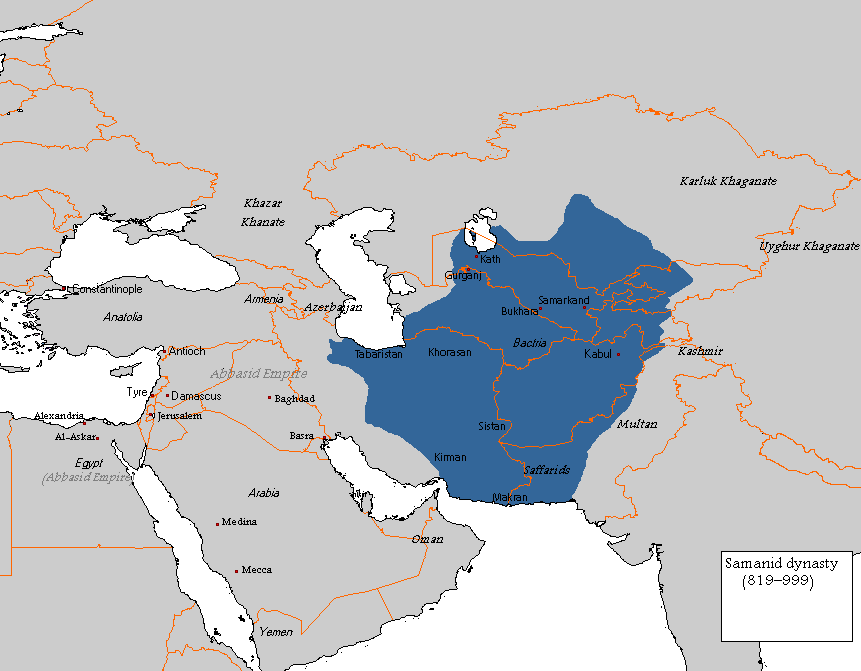




Origins and political development
The family originated from the eastern Iranian lands and took its name from Saman Khuda, a convert to Islam who reportedly came from a background associated with pre-Islamic Zoroastrian elites. Members of the household served as governors under the Abbasid caliphate and then built an effectively autonomous empire centered on Transoxiana and Khorasan. They maintained tributary and diplomatic ties to the Caliphate while exercising independent authority over local administration and the economy.
Administration, economy and society
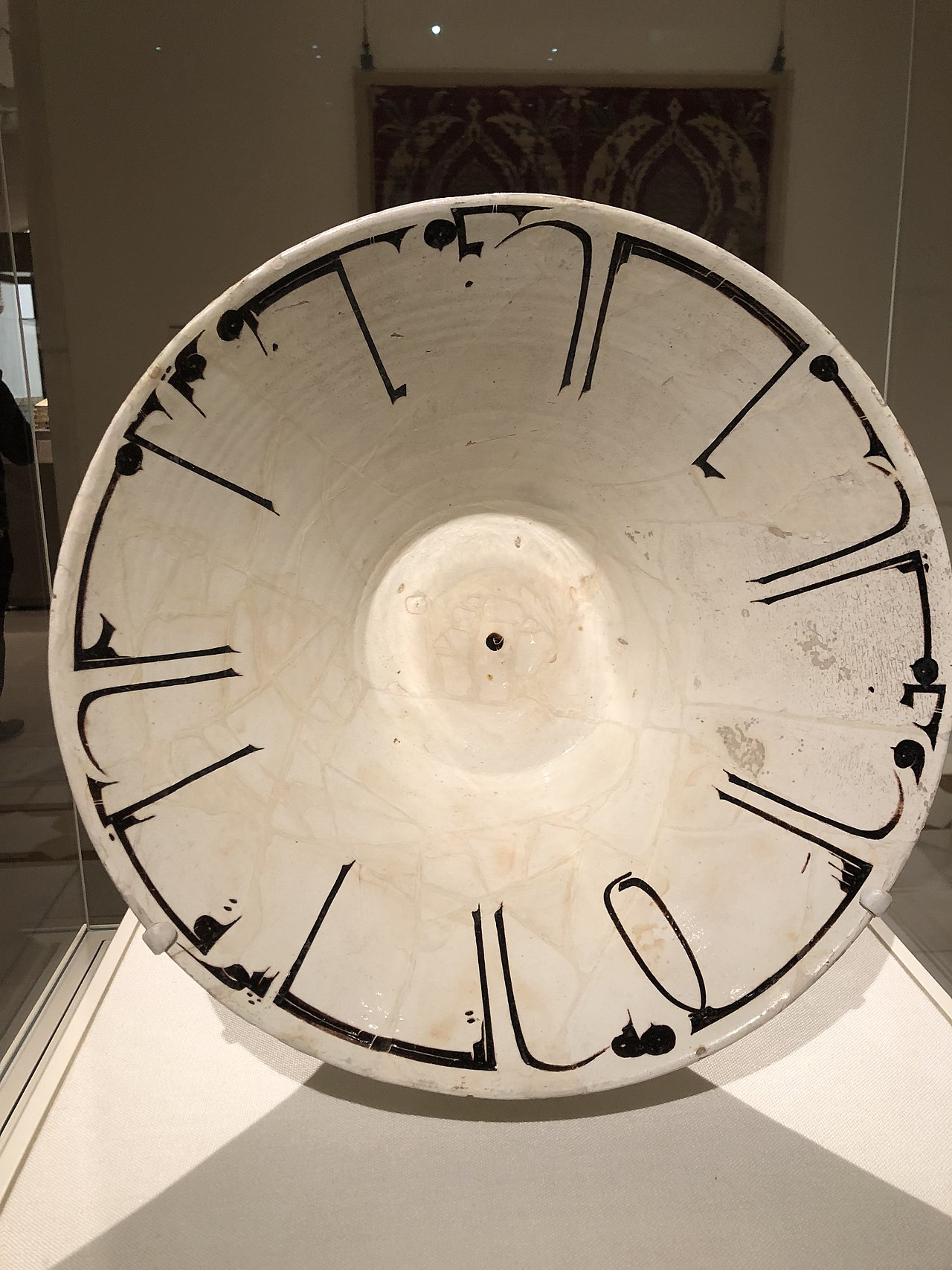
Samanid rule combined Persian bureaucratic traditions with Islamic legitimacy. Their revenues derived from irrigated agriculture, urban crafts, and trade along the Silk Road. Military forces often included local levies and hired Turkic cavalry. The dynasty patronized artisans and the construction of mosques, madrasas and mausoleums that reflect an early Islamic architectural vocabulary. The ruling elite drew on Persian social networks and included families of notable standing and nobility in the region.
Culture and intellectual life
The Samanids are especially remembered for reviving Persian language and culture after the Sassanid era. Under their patronage, Persian poetry and prose flourished; court poets and scholars produced works that shaped later Persianate civilization. Bukhara became a celebrated center for religious scholarship and literature. This cultural flowering helped define the identity of local Iranian-speaking populations often later described as Tajik communities.
Notable features and rulers
- Prominent amirs who consolidated authority and promoted the arts.
- Development of a stable coinage, urban growth, and support for scholars and poets.
- Architectural survivals such as mausoleums and early madrasas that testify to Samanid patronage.
Decline and legacy
By the end of the 10th century the Samanids faced pressures from rising Turkic dynasties and competing regional powers. Their territories were partitioned and absorbed by successor states, but their cultural legacy endured: the Samanid period is credited with establishing a Persian literary tradition and urban institutional life that influenced later empires across Iran and Central Asia. For further reading see Persian sources and modern studies of the Zoroastrian-to-Islamic transition and the emergence of Persianate polities, as well as thematic surveys of medieval Central Asian history available at reference collections and academic resources on the Sassanid influence and the region's long-term development. Additional surveys and chronologies can be consulted via encyclopedic summaries and regional studies focused on Central Asia and Tajik heritage.
Related articles
Author
AlegsaOnline.com Samanid dynasty: Persianate state of Central Asia (819–999) Leandro Alegsa
URL: https://en.alegsaonline.com/art/86637
Sources
- britannica.com : britannica.com/topic/Samanid-dynasty
- allempires.com : "The Samanid Empire - All Empires"