
Sarasvati River: the ancient river of South Asia
An ancient river celebrated in Vedic literature and linked to the Ghaggar–Hakra paleochannel; its former course, disappearance and cultural importance remain subjects of archaeology, geology and tradition.
Overview
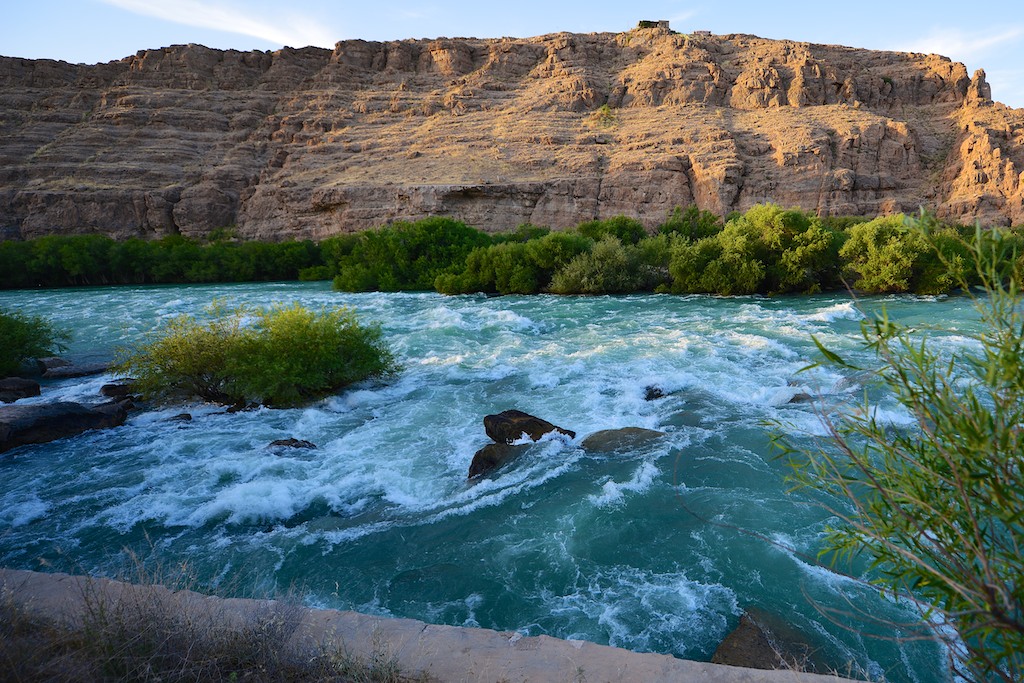
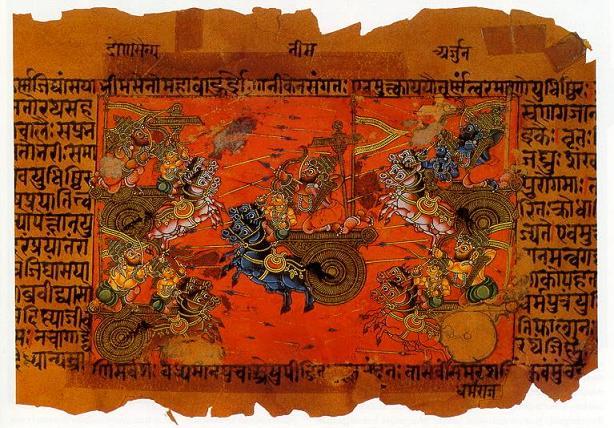
The Sarasvati River is known from ancient South Asian texts as a major and sacred watercourse. In early Vedic literature it is described as a powerful, life-giving river and has long been prominent in the cultural and religious geography of Ancient India. Modern scholars and scientists treat the Sarasvati as both a historical river system and a subject of ongoing research: its precise course and fate are debated on the basis of textual references, geological data and archaeological evidence.
Image gallery
9 Images



Course and identification
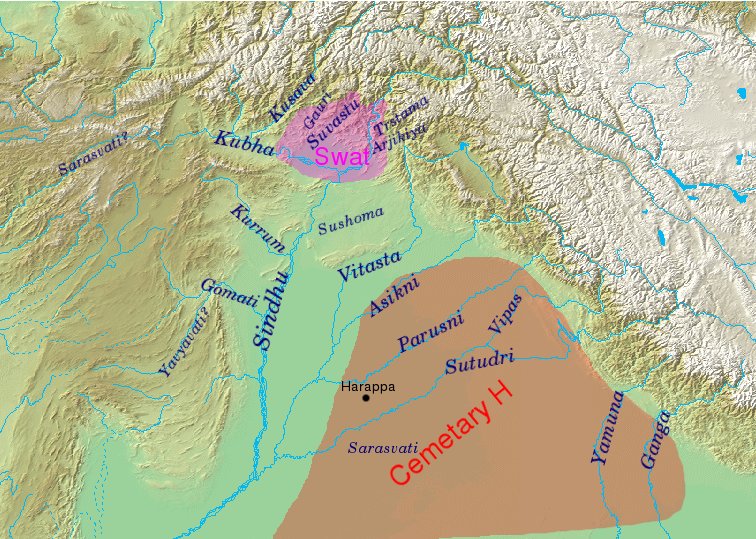
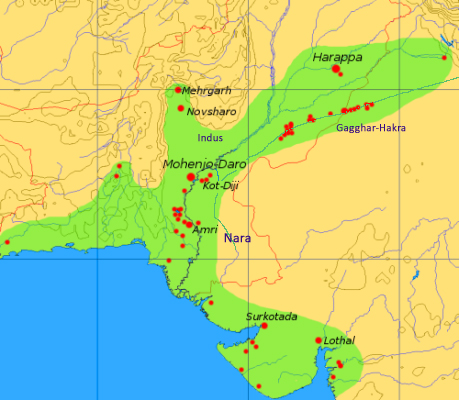
There is no single uncontested modern river that matches all textual descriptions of the Sarasvati. One widely discussed identification links it to the dry and semi-dry paleochannels of the Ghaggar–Hakra system in parts of western and northern South Asia. Geological mapping and remote sensing have revealed ancient channels that once carried substantial flow across what are now parts of India and Pakistan. Traditional accounts also describe the Sarasvati joining other rivers near the sacred confluence at Prayag (modern Allahabad), a detail reflected in later texts that speak of a meeting with the Yamuna and Ganges; these literary claims are treated cautiously by scientists and historians (geographical studies, literary sources).
Characteristics and important features
- The river is praised in Vedic hymns for breadth and strength and was associated with fertility and travel.
- Evidence from sediments and palaeochannels suggests it may once have been a perennial or seasonally large river fed by Himalayan or local sources during the early Holocene.
- Indus Valley (Harappan) sites are concentrated near former channels, indicating the river’s importance for early urban settlements.
Disappearance and causes
Scientific and archaeological estimates place the river’s decline and ultimate disappearance as a major flowing stream sometime during the late Holocene; some proposals suggest a timeframe around the second millennium BCE. Proposed causes include long-term climate change leading to reduced monsoon rains, tectonic activity that redirected tributaries, and river capture by nearby rivers such as the Sutlej or Yamuna. Because data come from multiple fields, researchers often present these explanations as complementary rather than mutually exclusive.
Archaeological and scientific research
Work on the Sarasvati draws on satellite imagery, sediment analysis, optically stimulated luminescence dating and excavation of settlement sites. These methods have helped reconstruct palaeochannels and the timing of environmental change. Archaeologists point to the clustering of Bronze Age settlements along dry former channels as evidence that a substantial river system supported dense human occupation. Ongoing study continues to refine models of hydrology and settlement interaction (research summaries).
Cultural legacy
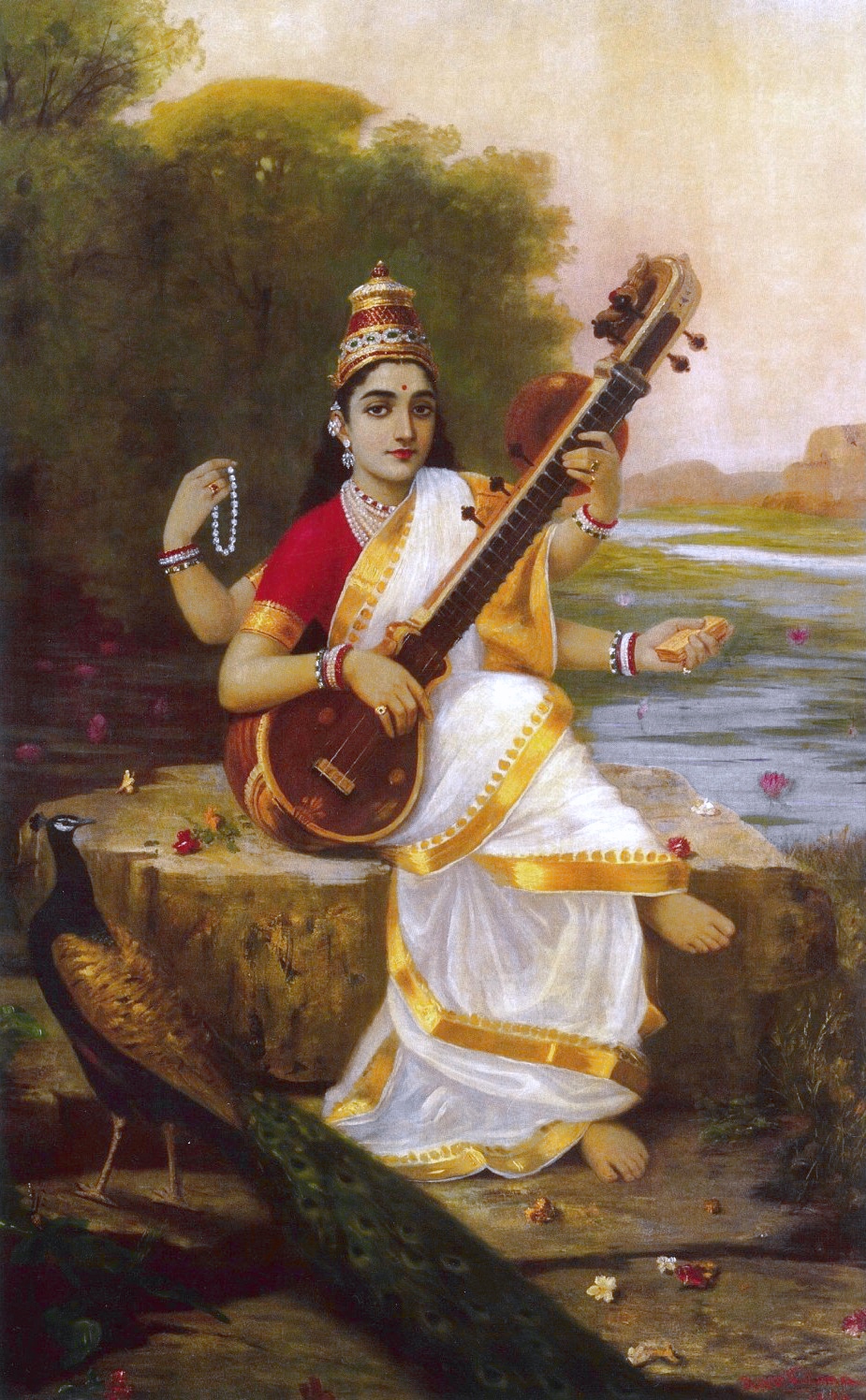
Beyond physical geography, Sarasvati endures as a goddess of knowledge, speech and the arts in Hindu tradition. The river’s memory shaped ancient ritual landscapes and continues to influence modern cultural identity and river restoration projects. Debates over its identification and course also intersect with heritage, archaeology and public interest, ensuring the Sarasvati remains an active subject across disciplines and communities.
For further context and sources, see detailed archaeological surveys and geological studies that examine paleochannels, sediment records and the distribution of ancient settlements (textual tradition, historical overview).
Related articles
Author
AlegsaOnline.com Sarasvati River: the ancient river of South Asia Leandro Alegsa
URL: https://en.alegsaonline.com/art/87315
Sources
- commons.wikimedia.org : Sarasvati River
- saraswatiriver.blogspot.com : "Sarasvati: The Mother of all Rivers"