
Salome (opera) by Richard Strauss
Encyclopedia article on Richard Strauss's one-act opera Salome: origins in Oscar Wilde's play, composition, musical features, premiere, controversies, notable scenes and its legacy in 20th-century opera.
Overview
Salome is a one-act opera by Richard Strauss based on the dramatic episode of John the Baptist and the figure of Salome. The work compresses a psychologically intense drama into a compact musical form, combining late-Romantic orchestral colour with incisive harmonic language. It is commonly described simply as an opera, but its concentrated structure and provocative subject matter set it apart from many contemporaneous stage works.
Image gallery
10 Images


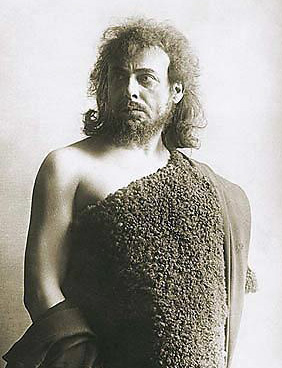


Source and composition
The libretto is closely adapted from a French-language play by Oscar Wilde, written in 1891, which was later made available in German through a translation by Hedwig Lachmann. Wilde’s play was itself a literary reworking of the Biblical narratives surrounding the prophet often identified as Jokanaan (John the Baptist). Strauss encountered the German text and, beginning about 1902, set about composing a musical dramatization that preserved much of Wilde’s text while shaping it for operatic performance.
Premiere and early performances
The opera premiered in Dresden in December 1905 and quickly attracted attention. It proved successful enough financially that Strauss was able to secure personal comforts, including a residence in Garmisch-Partenkirchen. At the same time, its candid depiction of desire and violence provoked moral outrage in some circles and led to restrictions or modifications in other cities.
Roles, scoring and musical style
Salome requires a large orchestra and dramatic vocal forces. The title role is written for a dramatic soprano; Jokanaan is usually cast as a baritone, with Herod and Herodias assigned to tenor and mezzo-soprano ranges. The score blends dense chromatic harmony with clear motivic links that help shape the one-act narrative. Instrumental interludes, notably the famous Dance of the Seven Veils, are important for dramatic pacing and are often performed independently in concert.
Controversy and censorship
Reaction to the work varied widely. Censorship affected its stage life: it could not be produced at the Vienna Court Opera without delay or restrictions and required alterations for presentation at the Royal Opera House, Covent Garden. In New York the initial run was curtailed when influential patrons at the Metropolitan Opera and others objected to public performances. Debates about decency, morality and theatrical taste followed the opera for many years and are central to its early reception history, as discussed in studies of theatrical censorship.
Notable scenes and performance practice
- Dance of the Seven Veils — an instrumental episode that accompanies Salome’s dance and is often excerpted for concert presentation.
- Salome’s final scene — a dramatic monologue culminating in the opera’s fatal dénouement, notable for its sustained vocal demands and orchestral intensity.
- Jokanaan’s pronouncements — passages that contrast prophetic declamation with the sensual atmosphere surrounding Salome.
Legacy and scholarship
Salome remains a staple of the repertory and a frequent subject of musicological and theatrical study. Its combination of psychological portraiture, orchestral invention and provocative staging choices helped open new directions in early 20th-century opera. Modern productions continue to reinterpret Wilde’s themes and Strauss’s score, balancing historical awareness with contemporary sensibilities. Readers seeking the original literary source may note that Wilde’s play was composed in French, while the German translation played a key role in bringing the drama to Strauss’s attention.
For further background and archival references consult biographies of Strauss, editions of Wilde’s plays and performance histories that treat the 1905 premiere in Dresden, the subsequent debates over censorship, and the roles played by translators such as Hedwig Lachmann. Contemporary recordings and critical essays illustrate the work’s continuing importance and the variety of staging approaches adopted by companies since the early decades of the 20th century.
Related articles
Author
AlegsaOnline.com Salome (opera) by Richard Strauss Leandro Alegsa
URL: https://en.alegsaonline.com/art/86528