
Salome — biblical figure and later cultural icon
Salome (often identified with the unnamed daughter of Herodias in the Gospels) is associated with the beheading of John the Baptist and became a powerful motif in literature, art and music.
Overview
Salome is the name later attached to the young woman who appears in the New Testament as "the daughter of Herodias." The Gospels of Matthew and Mark recount that during a banquet held by Herod Antipas the girl danced before the ruler and, at her mother Herodias's prompting, requested the head of John the Baptist. The biblical accounts do not supply her personal name, but later tradition and cultural history have long identified the figure as Salome (Hebrew: Shlomit). For the canonical accounts see Matthew 14:6–11 and Mark 6:22–28.
Image gallery
10 Images





Biblical narrative and context
The Gospel episodes are brief and focused on John the Baptist's fate rather than on a biographical portrait of the girl. They indicate that Herod had sworn to grant her any request and that she, urged by her mother, demanded John's head. The story is set against the fraught political and familial environment of the Herodian court, where marriages and feuds had public as well as private consequences. Because the narrative is terse, scholars and readers have long debated questions such as the girl's age, motives and the social dynamics of the household; for accessible commentary and textual notes see general biblical studies resources.
Name, identity and historical notes
The name Salome appears several times in Jewish and early Christian sources and was relatively common within the Herodian family. Ancient historians and genealogical reconstructions identify multiple women named Salome across the dynasty, which has produced confusion in later retellings. Modern historians caution that the Gospel daughter should not be equated without independent evidence with any single historical Salome known from other records. Biographical assertions beyond the Gospel episode are therefore tentative and must be distinguished from later legend and interpretation; for introductions to the Herodian family see Herodian dynasty overviews.
Later tradition, literature and the arts
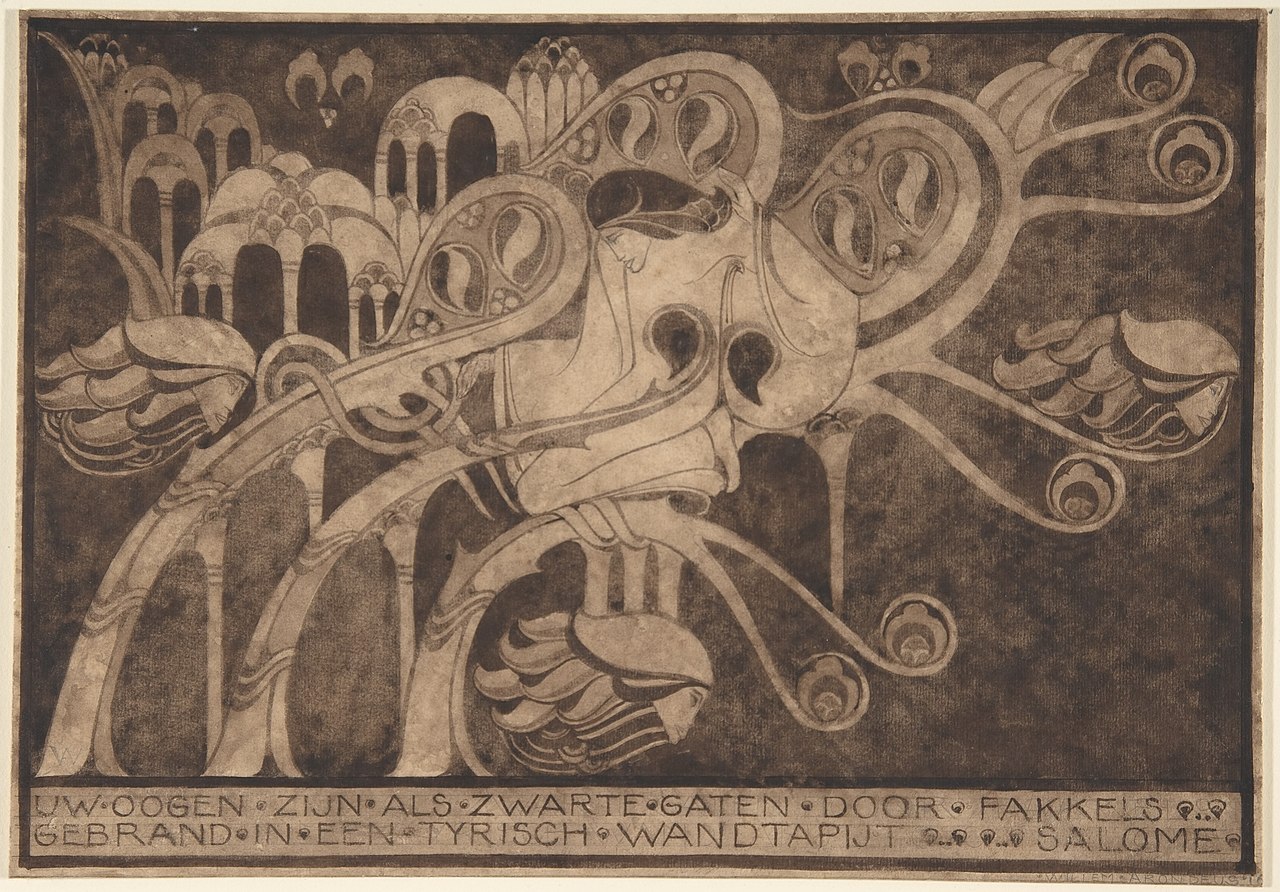
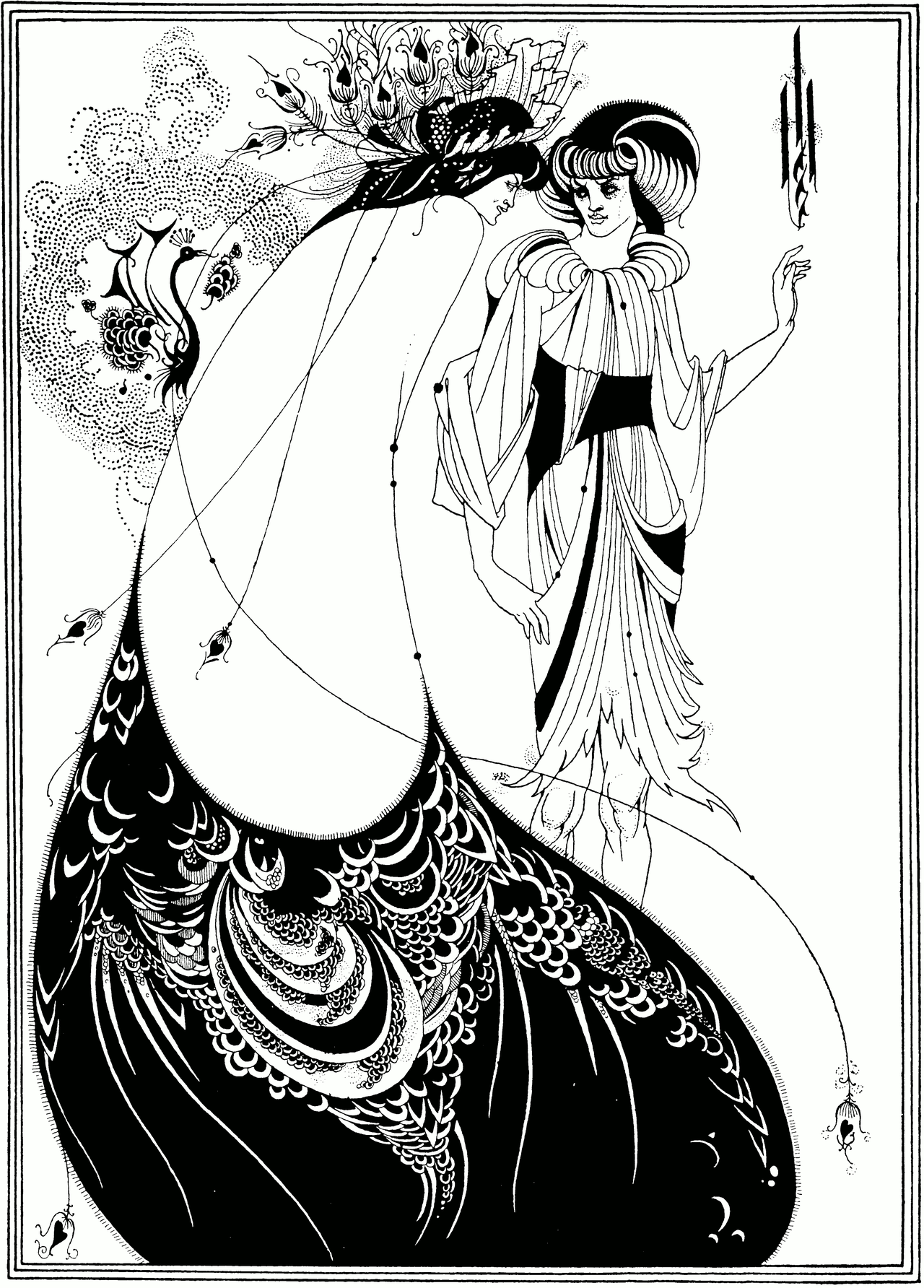
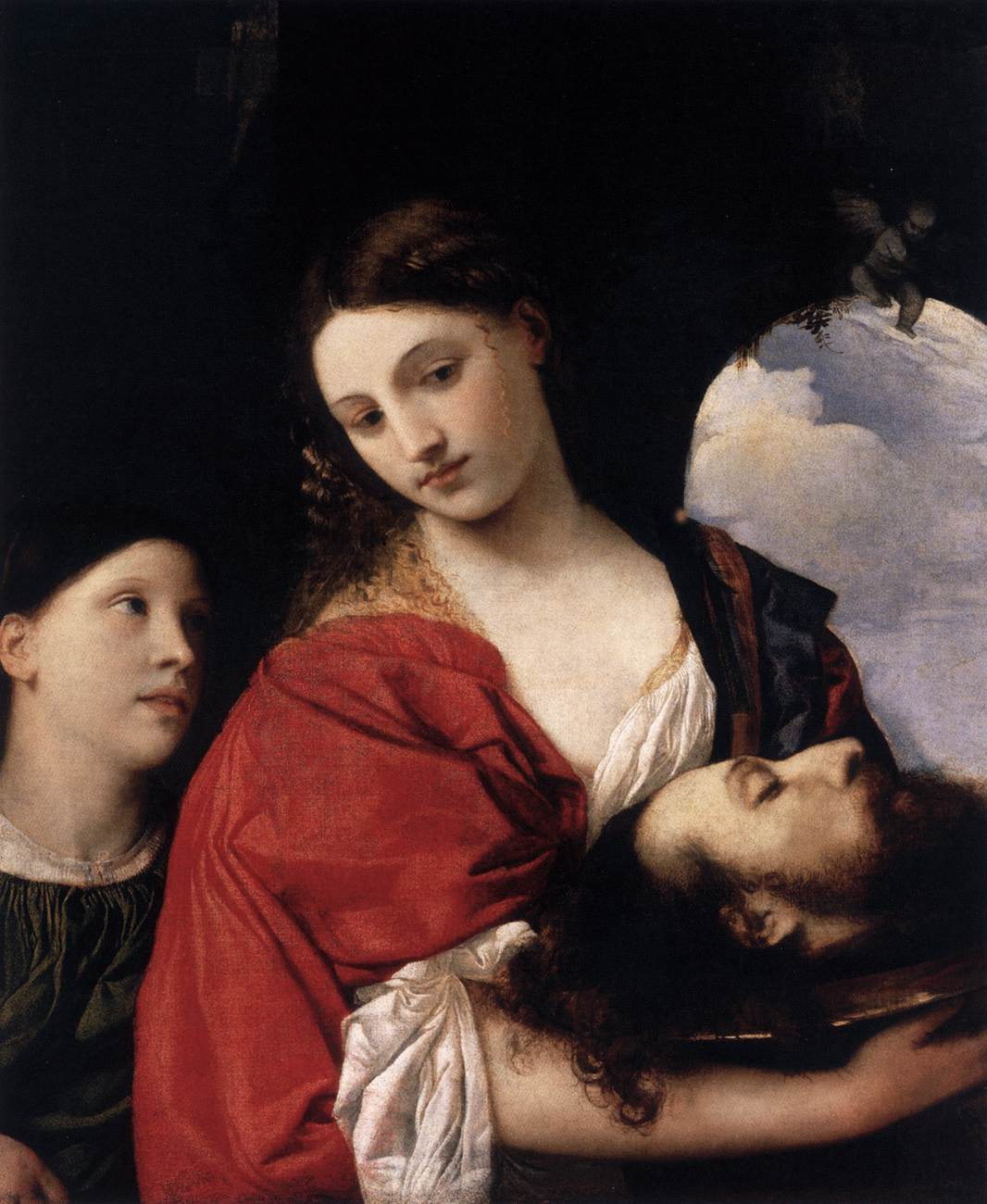
From late antiquity and especially during the medieval and modern periods the figure acquired a striking afterlife. In Western art and literature Salome became a symbol of dangerous female sexuality, manipulative ambition and theatrical display. In the late 19th century Oscar Wilde's play "Salome" and Richard Strauss's opera of the same name popularized an image of the dancer that emphasized eroticism and theatrical spectacle, notably the later-invented motif known as the "Dance of the Seven Veils." Visual artists and illustrators have repeatedly returned to the story; painters and printmakers from Titian and artists of the Baroque and Renaissance to Symbolist and Fin-de-Siècle figures treated the subject. Collections and critical resources on these treatments can be explored through cultural reference collections such as specialized galleries and catalogs.
Distinctions and legacy
- Separate persons: The name Salome can refer to more than one woman in the New Testament era; the Gospel daughter of Herodias is distinct from other Salomes mentioned elsewhere.
- Scriptural restraint: The canonical Gospels provide minimal personal detail, which is why much of the modern and pre-modern image of Salome comes from interpretation and invention.
- Cultural emblem: Whether discussed as a historical actor or as an artistic figure, Salome functions as a potent emblem for debates about gender, power, spectacle and morality in Western culture.
Because primary texts offer only a brief account and later traditions vary widely, careful distinction between the biblical narrative, historical reconstruction and artistic reworking is important when discussing Salome. For readers seeking further scholarly or cultural material, consult the general introductions and curated collections linked above.
Questions and answers
Q: Who was Salome?
A: Salome was a historical person who was the daughter of Herod Antipas and Herodias and a character in the New Testament.
Q: What is the Hebrew name for Salome?
A: The Hebrew name for Salome is שלומית Shlomit.
Q: Is Salome's name mentioned in the New Testament?
A: No, Salome's name is not actually given in the New Testament.
Q: How is Salome's name pronounced?
A: Salome's name is pronounced with a short 'o', and the 'e' at the end is sounded.
Q: Was Salome present during the Crucifixion of Jesus?
A: No, the Salome who is the daughter of Herod Antipas and Herodias is not the same Salome who is said to be a witness to the Crucifixion of Jesus in Mark 15:40.
Q: When was Salome born and when did she die?
A: Salome was born around AD 14 and died sometime between AD 62 and 71.
Q: Is there any other information available about Salome?
A: The text does not provide any further information about Salome beyond her parentage and historical existence.
Related articles
Author
AlegsaOnline.com Salome — biblical figure and later cultural icon Leandro Alegsa
URL: https://en.alegsaonline.com/art/86529