
Sampler (electronic musical instrument)
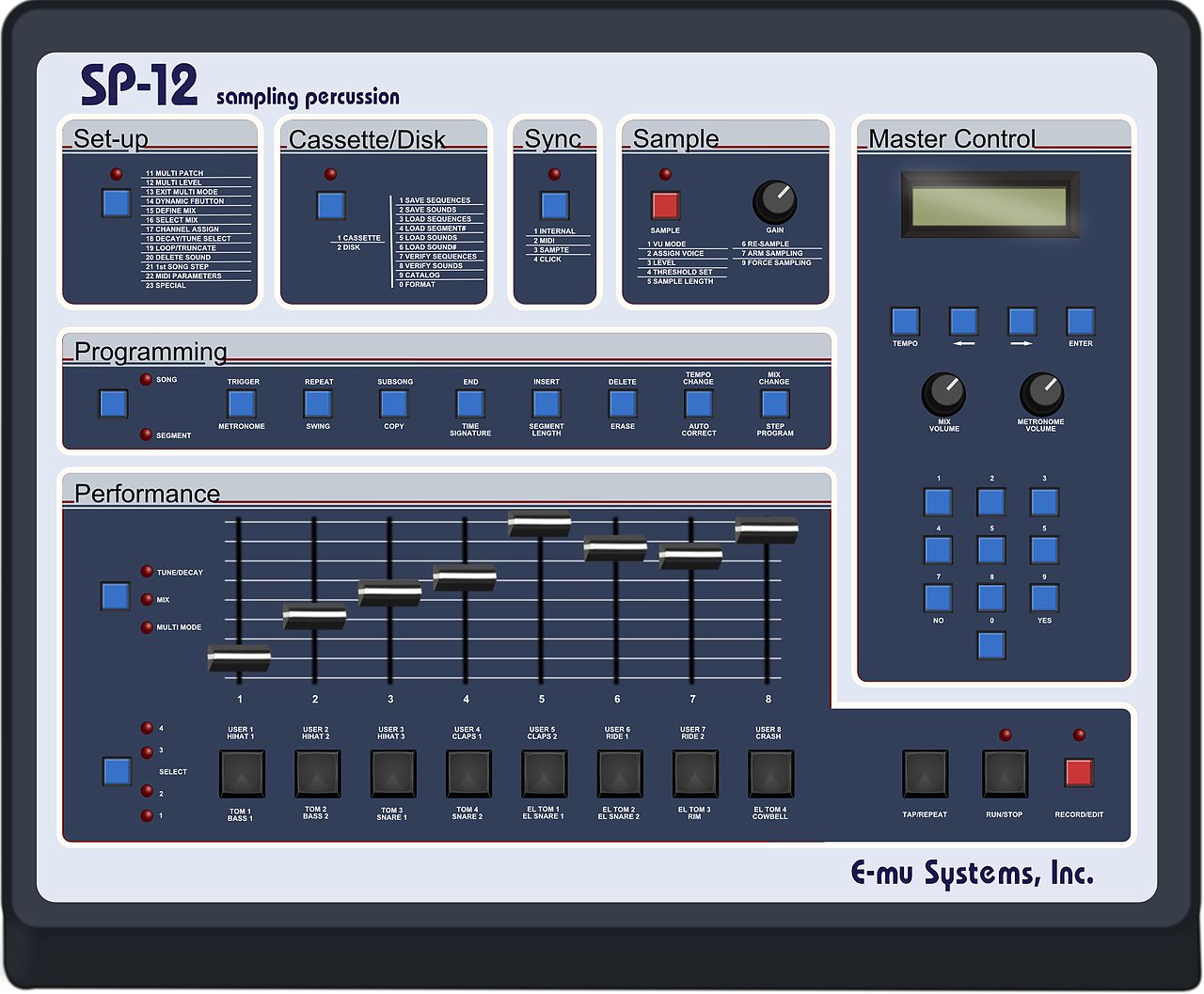
A sampler records and plays back audio excerpts (samples), mapping them across pitches and controllers. Used in music production, sound design and performance, samplers range from hardware units to software plugins.
Overview
A sampler is an electronic musical instrument that plays back digital recordings of sounds — called samples — rather than generating tones from synthesis algorithms alone. Players trigger these recordings from a keyboard, pads, sequencer or software interface. Modern samplers allow playback to be pitched, looped, filtered and processed, so a short recording can be used like a musical oscillator, a percussion hit, or an evolving texture.
Image gallery
10 Images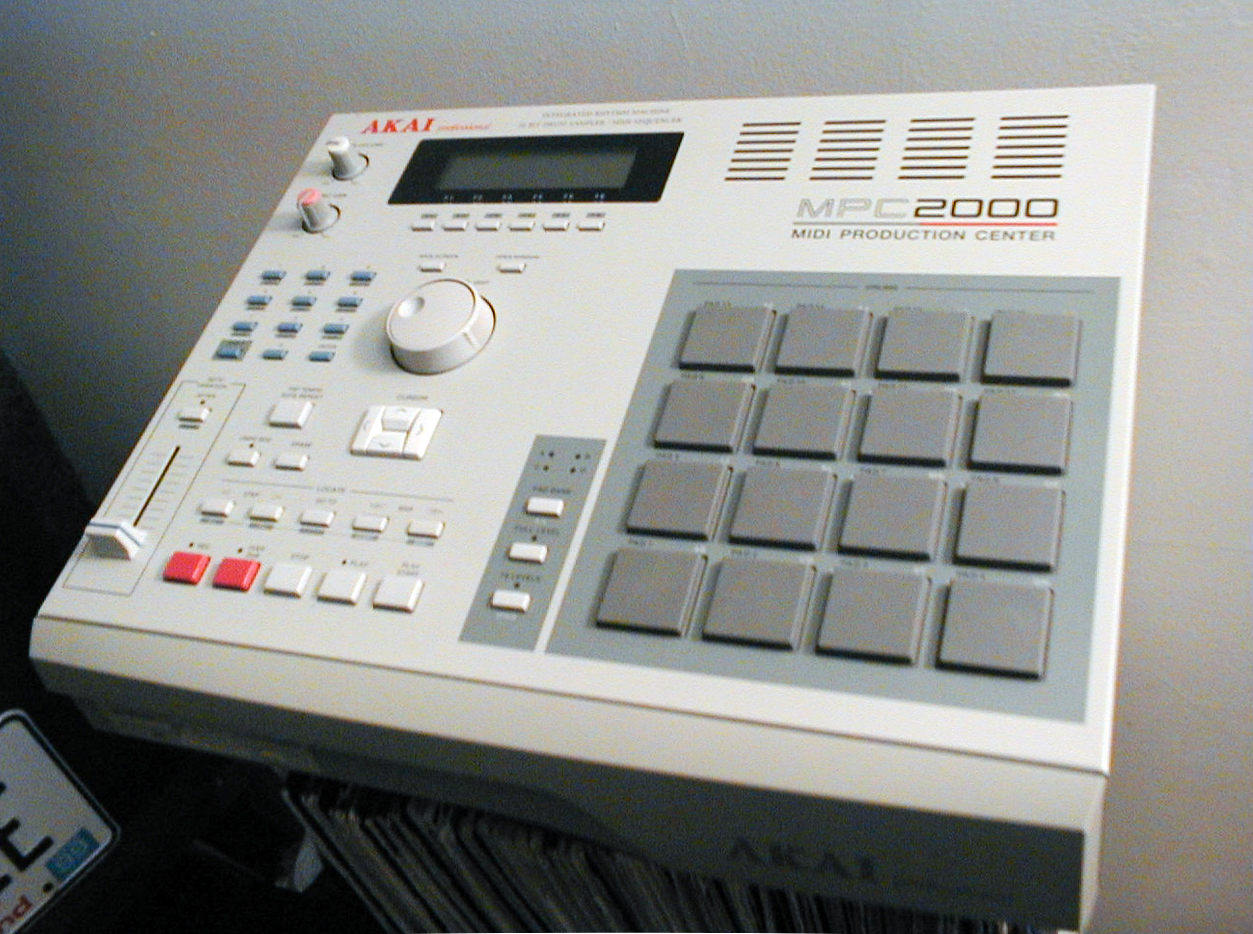




How samplers work
At its core a sampler stores audio in memory and retrieves it on demand. When a key or MIDI note is received, the device looks up the appropriate sample and plays it back at a speed that corresponds to the desired pitch. Common processing options include time-stretching, pitch-shifting, looping, envelopes for amplitude and filter, and built-in effects. Early samplers relied on limited RAM and lower sample rates; contemporary systems often use large libraries, high bit depths and streaming from disk.
Typical features and architecture
- Keymapping/multisampling: assigning different samples to different pitch ranges.
- Velocity layers: different samples triggered by playing dynamics.
- Editing tools: trimming, fading, normalizing and crossfading loops.
- Modulation and routing: envelopes, LFOs, filters and effects chains.
- Formats and libraries: many samplers accept common file formats and specialized libraries for orchestral, electronic or Foley sounds (sampling collections).
History and development
The idea of replaying recorded sound for musical use predates digital electronics — tape-based instruments like the Mellotron used prerecorded tape strips. Digital samplers emerged commercially in the late 1970s and 1980s, with early workstations and rack units bringing sampling into studios and live rigs. Over decades, samplers moved from costly hardware to affordable keyboards and software instruments inside digital audio workstations.
Uses, examples and distinctions
Samplers are central to many genres: hip-hop and electronic music often build tracks from chopped samples, while film and game sound designers use them for realistic or surreal effects. Unlike a synthesizer, which creates sound by algorithmic means, a sampler starts with recorded material but can apply synthesis-like processing. Advanced techniques such as granular synthesis break samples into tiny grains to rearrange time and texture.
Practical and legal notes
Hardware samplers and software plugins coexist; large commercial sample libraries enable quick access to instruments and atmospheres. However, using recognizable copyrighted recordings without permission can raise legal issues, so producers often rely on cleared or original recordings. For further details about sampler models and file formats, see resources on early and modern samplers such as early commercial samplers.
Related articles
Author
AlegsaOnline.com Sampler (electronic musical instrument) Leandro Alegsa
URL: https://en.alegsaonline.com/art/86712