
Samuel Barber — American Composer (1910–1981)
Samuel Barber was an American composer known for the Adagio for Strings, lyrical neo-Romantic style, operas and choral works. His music remains widely performed and frequently used in film and memorials.
Overview
Samuel Barber (March 9, 1910 – January 23, 1981) was an American composer whose music combined Romantic lyricism with 20th‑century techniques. He wrote orchestral pieces, chamber works, choral music, songs, and operas. Barber's best-known single work is the Adagio for Strings (1936), a short, deeply expressive piece that has become a staple of concert programmes and ceremonial occasions worldwide. For general biographical and catalogue information see biographical resources and a musical overview at general profiles.
Image gallery
6 Images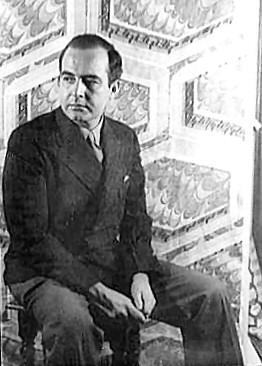


Life and career
Barber was born in West Chester, Pennsylvania, and trained at the Curtis Institute of Music in Philadelphia. His teachers and contemporaries at Curtis influenced his early development and helped launch his career. He spent much of his adult life composing for concert halls, the stage and broadcast media. Barber had a long personal and professional partnership with the composer Gian Carlo Menotti; more on his personal life and relationships can be found in specialised biographies and archival notes at archival collections and museum pages.
Musical style and notable works
Barber's music is often described as lyrical and expressive, favouring clear melodic lines and rich harmonic language rather than avant‑garde experimentation. His works range from intimate songs to large-scale operas. Besides the Adagio, other frequently cited pieces include the orchestral Essay for Orchestra, the orchestral song setting Knoxville: Summer of 1915, and the opera Vanessa. Many listeners turn to recordings and program notes for interpretations and context; see recordings and critical essays at recordings guides and critical essays.
Selected works
- Adagio for Strings (arrangement of the second movement of his String Quartet)
- Knoxville: Summer of 1915 (orchestral setting of a prose text)
- Vanessa (opera)
- Excursions (piano pieces)
- Violin Concerto and other concertos
Legacy and honors
Barber's music has remained in the active repertoire of orchestras, choirs and soloists. He received major awards during his lifetime, including two Pulitzer Prizes, and his works continue to appear in film, radio and state occasions. His death in New York City at age 70 was widely reported; for obituaries, retrospectives and catalogues of manuscripts consult newspaper archives, library catalogues and academic articles. For performance scores, recordings and modern editions see publishing and distributor entries at publisher listings.
For further study, readers can consult institutional sites, recordings and critical studies linked above, or specialized monographs that explore Barber's compositional techniques, his place in American musical life, and the performance history of his best‑known pieces.
Related articles
Author
AlegsaOnline.com Samuel Barber — American Composer (1910–1981) Leandro Alegsa
URL: https://en.alegsaonline.com/art/86737
Sources
- nytimes.com : "Samuel Barber, Composer, Dead: Twice Winner of Pulitzer Prize"
- gayinfluence.blogspot.com : "American Composer Samuel Barber"