
Santa Baby
A playful 1953 Christmas pop song first recorded by Eartha Kitt, written by Philip Springer and Joan Javits. It became a seasonal standard and has been frequently covered and reinterpreted.
Santa Baby is a lighthearted, tongue-in-cheek Christmas song that imagines a flirtatious plea to Santa Claus for extravagant gifts. Often described as a holiday novelty and pop standard, the song blends sensual humor with traditional festive imagery to create a memorable seasonal tune. The recording is commonly associated with mid-20th century popular music and continues to appear on holiday compilations and playlists.
Image gallery
6 Images




Characteristics and themes
The lyrics adopt the voice of a confident narrator making lavish requests — from jewelry to luxury items — addressed to a Santa figure. Musically, many versions use a slow, jazzy arrangement or sleigh-bell touches that emphasize a sultry, playful mood rather than a purely traditional carol style. Critics and listeners often note the juxtaposition of Christmas sentiment with material desire, which is presented in a wink-and-nod manner rather than as earnest consumerism. The song is typically categorized as a holiday pop tune and is performed in both spoken-sung and fully sung styles.
Origin and first recording
Santa Baby was written by Philip Springer and Joan Javits and first recorded in 1953. The earliest and most iconic version was performed by Eartha Kitt; her interpretation has become the template for later covers and is often cited when discussing the song's original tone and persona. The piece quickly entered the repertoire of seasonal offerings in the United States and abroad, helped by radio play and album appearances.
Notable covers and reinterpretations
- Eartha Kitt — original recording that popularized the tune.
- Pussycat Dolls — one of several pop groups that offered a modern take.
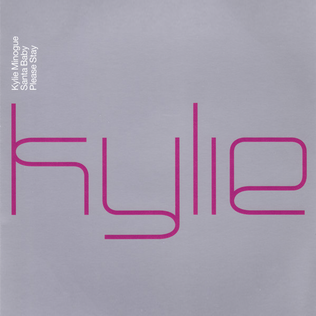
- Kylie Minogue — added the song to holiday releases and compilations.
- Taylor Swift — among contemporary artists who have recorded the song.
- Ariana Grande — delivered a contemporary, stylized cover for modern playlists.
- Madonna — included a version on a charity or compilation project.
Legacy and cultural notes
Over the decades, "Santa Baby" has become a seasonal staple because of its memorable melody and cheeky lyricism. Performers reinterpret it to fit their persona—some emphasize the comic, others the sultry aspect—so it remains flexible for both nostalgia-minded listeners and artists seeking a fresh seasonal statement. The song can prompt discussion about commercialization of holidays and changing attitudes toward gender and performance, yet it endures mainly as a playful piece of festive pop culture that resurfaces every winter.
For more contextual reading and recordings, see entries on holiday music anthologies and artist discographies, or search compilations that collect mid-century Christmas songs and contemporary covers. Additional references can be found through resources that document popular music history and seasonal chart performance.
Questions and answers
Q: Who originally recorded the song "Santa Baby"?
A: The song "Santa Baby" was first recorded by Eartha Kitt in 1953.
Q: What is "Santa Baby" about?
A: "Santa Baby" is a holiday themed song about a person who wants extravagant things for the Christmas season.
Q: Have other musicians covered "Santa Baby" over the years?
A: Yes, many other musicians have covered "Santa Baby" throughout the decades, including but not limited to Pussycat Dolls, Kylie Minogue, Taylor Swift, Ariana Grande, and Madonna.
Q: When was "Santa Baby" first recorded?
A: "Santa Baby" was first recorded in 1953 by Eartha Kitt.
Q: What is the theme of the song "Santa Baby"?
A: The theme of the song "Santa Baby" is materialism and a person's desire for extravagant gifts during the Christmas season.
Q: Can you name some musicians who have covered "Santa Baby"?
A: Yes, some musicians who have covered "Santa Baby" include Pussycat Dolls, Kylie Minogue, Taylor Swift, Ariana Grande, and Madonna.
Q: What is the subject matter of the song "Santa Baby"?
A: The subject matter of the song "Santa Baby" is a person's desire for extravagant gifts for Christmas.
Related articles
Author
AlegsaOnline.com Santa Baby Leandro Alegsa
URL: https://en.alegsaonline.com/art/87090
Sources
- oldies.about.com : "The Top 40 Christmas Oldies Songs and Holiday Music – #8"
- musicnotes.com : "Interview with Santa Baby Songwriter, Philip Springer"
- ascap.com : "Santa Baby | ACE Repertory"
- itunes.apple.com : "Santa Baby (feat. Liz Gillies) by Ariana Grande"
- zobbel.de : "Chart Log UK: New Entries Update – 21.12.2013 (wk50)"