
Salman Natour — Druze-Palestinian writer and playwright (1949–2016)
Salman Natour was a Druze-Palestinian Israeli author who wrote novels, plays and essays in Arabic and Hebrew, known for exploring identity and community life in Israel and the region.
Overview
Salman Natour (3 July 1949 – 15 February 2016) was a Druze-Palestinian writer and playwright who lived as a citizen of Israel. He produced work in both Arabic and Hebrew and published novels, stage plays, essays and books for younger readers. His writing reached audiences in Israel and beyond and was discussed in several international outlets, including literary magazines such as Granta.
Image gallery
1 Image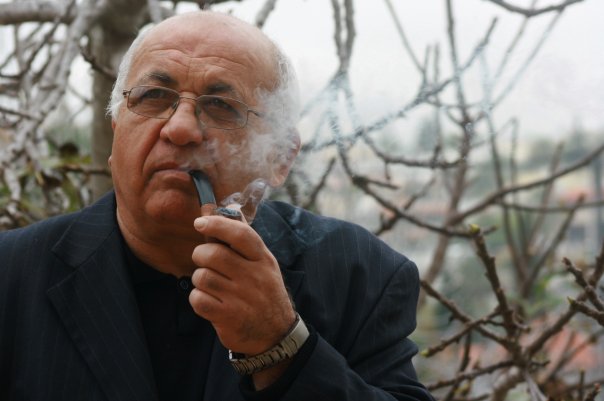
Life and education
Natour was born in Daliyat al-Karmel, a Druze town south of Haifa, in 1949. His upbringing in a minority community shaped much of his perspective and later themes. He completed secondary education in his hometown before studying at universities in Jerusalem and Haifa. Later biographical notices note his continuing connections to his birthplace and to urban cultural centers.
Work, languages and forms
He wrote in both Arabic and Hebrew, moving between languages to address different audiences. Natour's output spanned several forms:
- Novels and short fiction, often focused on everyday life and social tensions.
- Theatre: plays written for performance in community and professional settings.
- Essays and commentary on cultural identity and minority experience.
- Books for younger readers that mixed storytelling with moral and social themes.
Themes and reception
Recurring concerns in Natour's writing include identity, coexistence and the lived realities of Arab citizens of Israel. Critics and readers noted his capacity to move between humorous observation and serious social critique. His bilingual practice allowed him to engage with both Arabic- and Hebrew-speaking publics and to bring minority perspectives into broader conversations about culture and politics.
Legacy and notable facts
Natour died on 15 February 2016 after a heart attack. He is remembered for bridging linguistic and communal divides and for a body of work that addressed complex questions of belonging. For readers seeking more information about his life and the communities connected to it, the following links provide starting points:
Druze community background | Citizenship and legal context | Hebrew-language literature | Arabic-language literature | Haifa and Daliyat al-Karmel | Education and schools in the region | Universities in Jerusalem
Readers interested in his texts can look for translations and collected editions; his work continues to be of interest for those studying minority literatures, bilingual authorship and contemporary Levantine culture.
Related articles
Author
AlegsaOnline.com Salman Natour — Druze-Palestinian writer and playwright (1949–2016) Leandro Alegsa
URL: https://en.alegsaonline.com/art/86515
Sources
- youtube.com : youtube.com/watch?v=ssohNWXJXGk
- granta.com : granta.com/contributor/salman-natour/
- al-akhbar.com : "رابط غير مفعل"