
Salvador Dalí: life, art, and influence
Overview of Salvador Dalí (1904–1989): his life in Catalonia, surrealist imagery, techniques, major works like The Persistence of Memory, film collaborations, the Dalí Theatre‑Museum and his complex legacy.
Salvador Domingo Felipe Jacinto Dalí (11 May 1904 – 23 January 1989) was a Spanish artist whose technical skill, vivid imagination and theatrical persona made him one of the most recognisable figures of 20th‑century art. Born in Figueres, in Catalonia, he is commonly described as a Spanish painter but worked across many media, including film, photography, design and theatrical production. Dalí was a central figure in the international surrealist movement and created images that aimed to reveal the unconscious and the unexpected associations of waking and sleeping life.
Image gallery
10 Images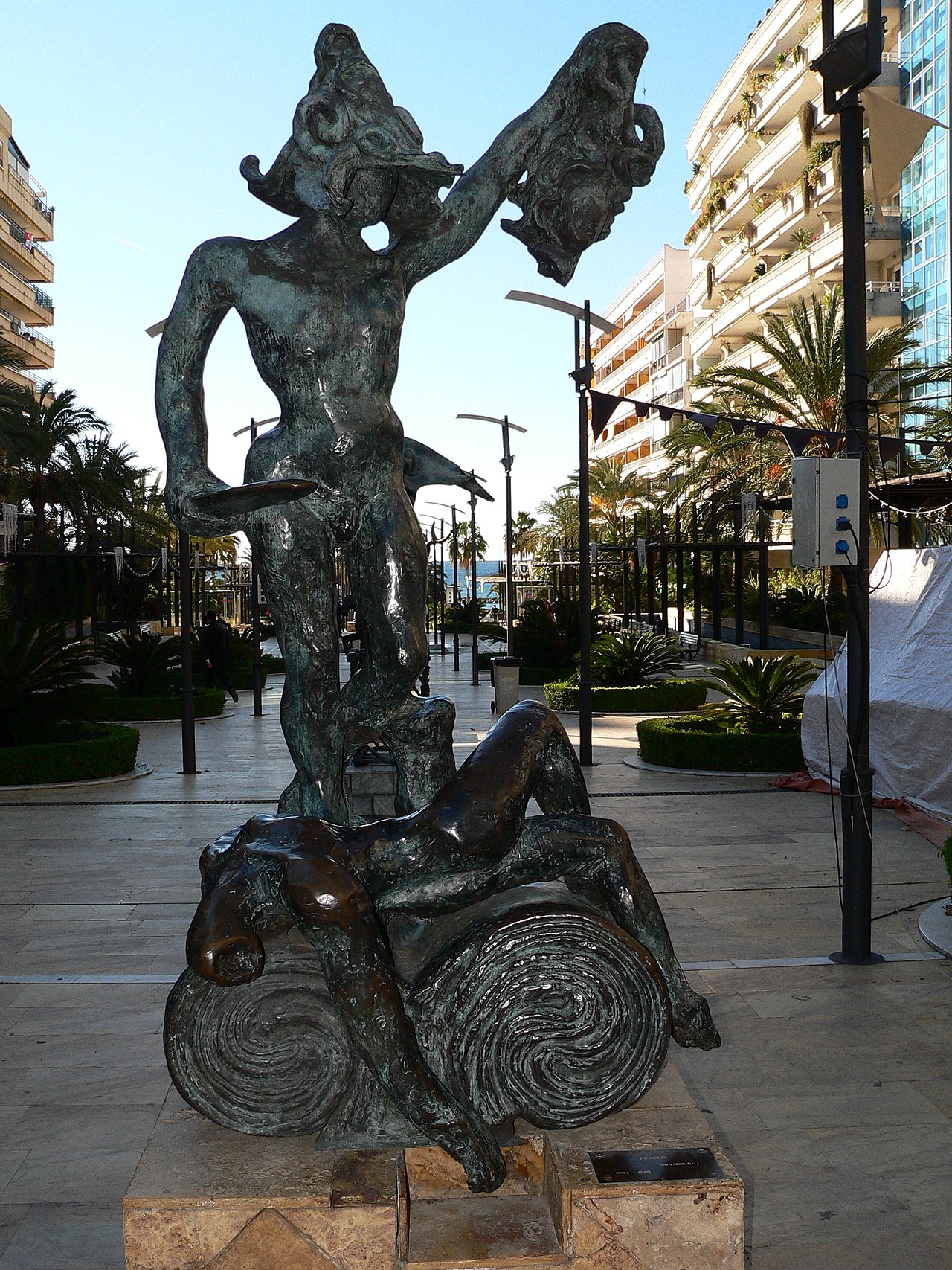





Early life and training
Dalí showed artistic ability from a young age and received formal training in art schools in Spain and brief study periods in Paris. His early exposure to academic drawing and to the art of the old masters informed the meticulous technique he later used to render fantastical scenes. Family, regional Catalan culture and the Mediterranean landscape of his childhood remained recurrent references throughout his career.
Surrealism and method
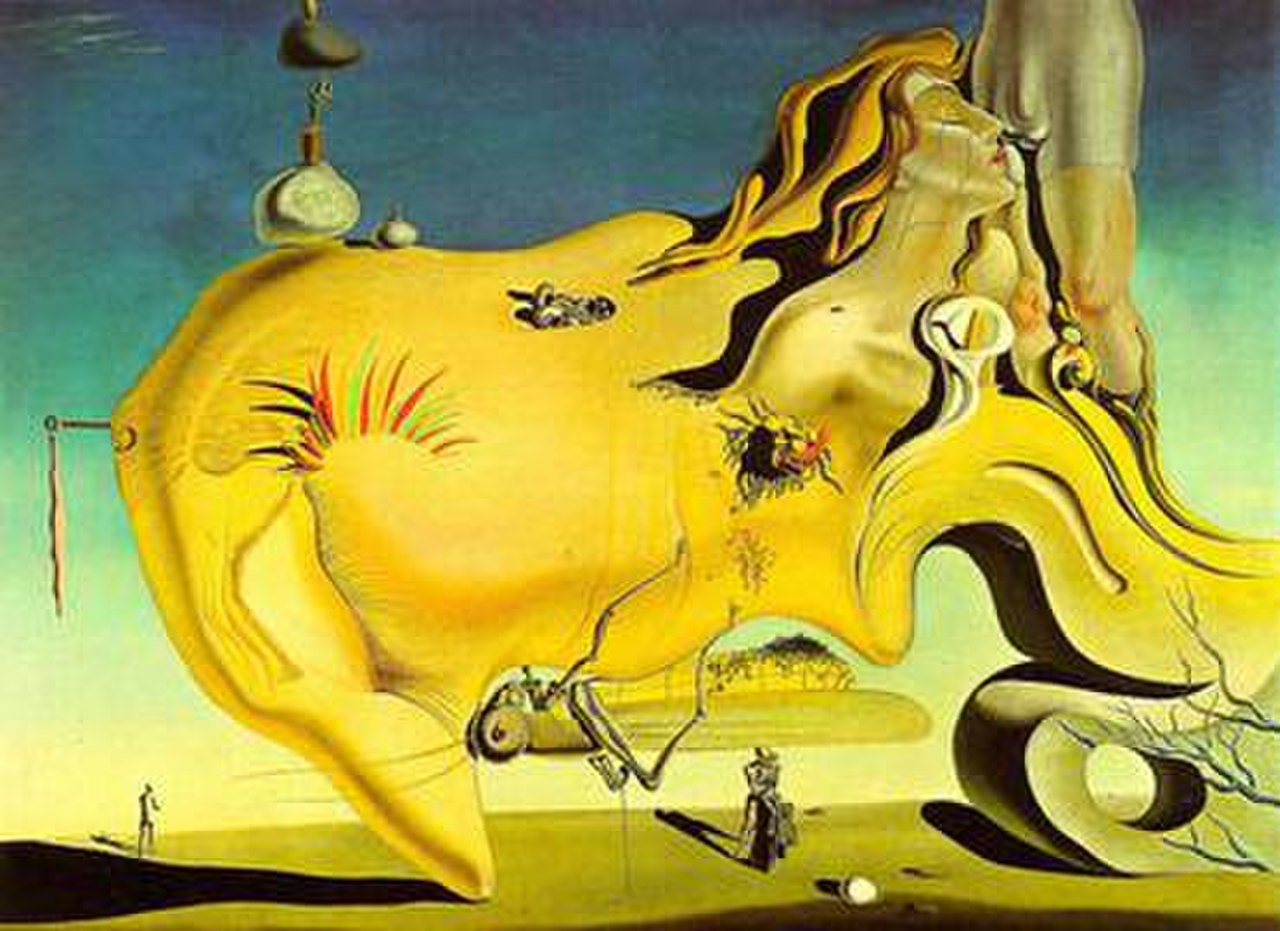
Dalí became identified with the surrealist interest in dreams, chance and the irrational. He developed what he called the paranoiac‑critical method, a technique intended to stimulate imaginative perception by inducing a state in which the artist could perceive multiple interpretations of a single image. The method and his interest in psychoanalysis helped shape paintings that suggest a dream-like logic: distorted figures, ambiguous scale and startling juxtapositions that provoke new meanings.
Imagery and recurrent motifs
Dalí deployed a recurring set of symbols — ants, eggs, crutches, elongated shadows and double images — arranged in often barren or coastal landscapes. Among the most emblematic devices are the soft or "melting" watch forms, often described as soft pocket-watch motifs, which suggest the relativity and fluidity of time in the artist's visual vocabulary. These images combine precise draftsmanship with deliberate irrationality to unsettle ordinary perception.
Major works and collections
- The Persistence of Memory (1931) — Dalí’s iconic arrangement of soft watches and a desolate shore; the painting is in the collection of the Museum of Modern Art in New York and is widely reproduced as a symbol of surrealism.
- Other notable paintings include The Hallucinogenic Toreador and The Elephants, which illustrate his use of metamorphosis, scale shifts and optical doubling.
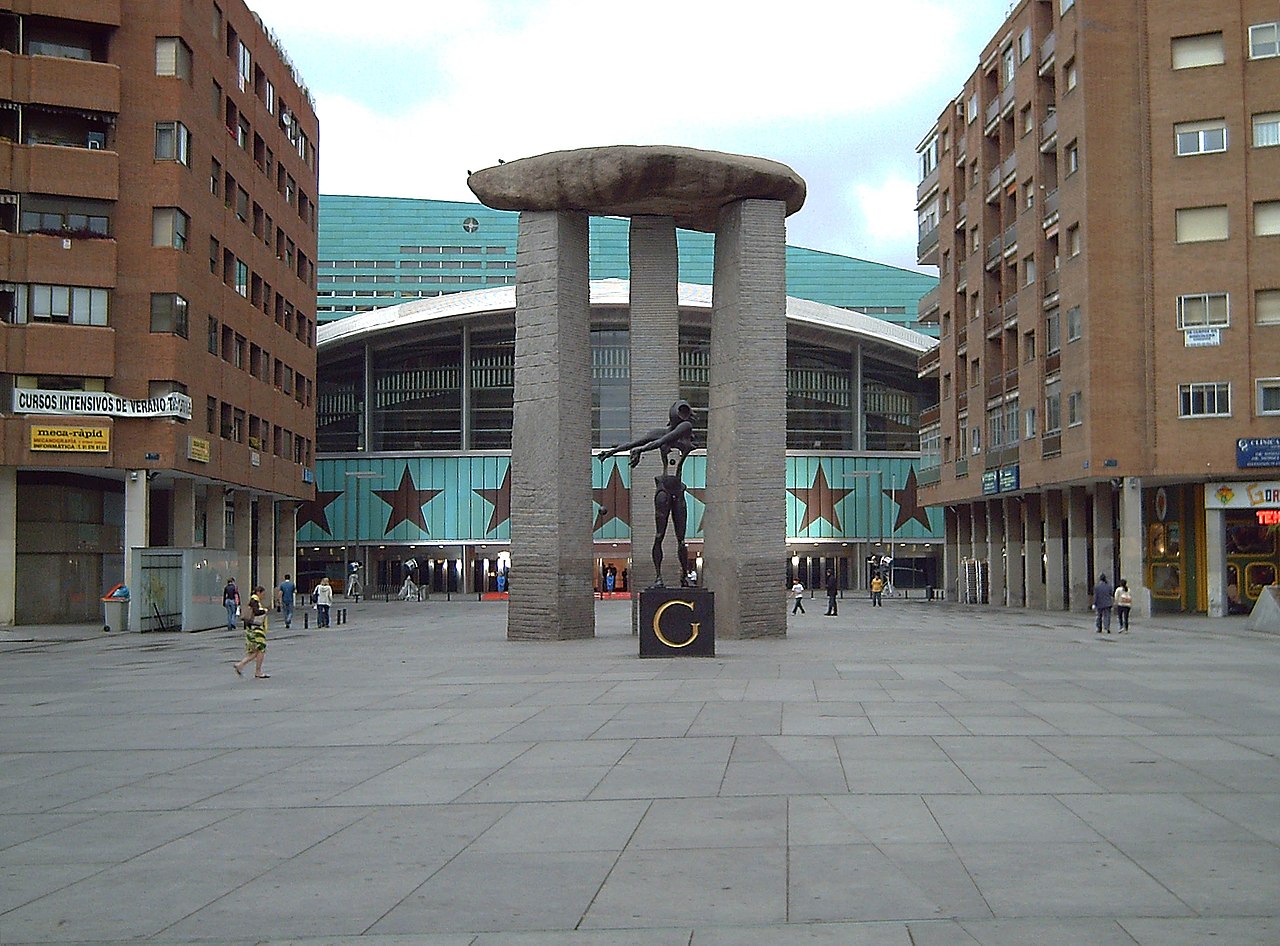
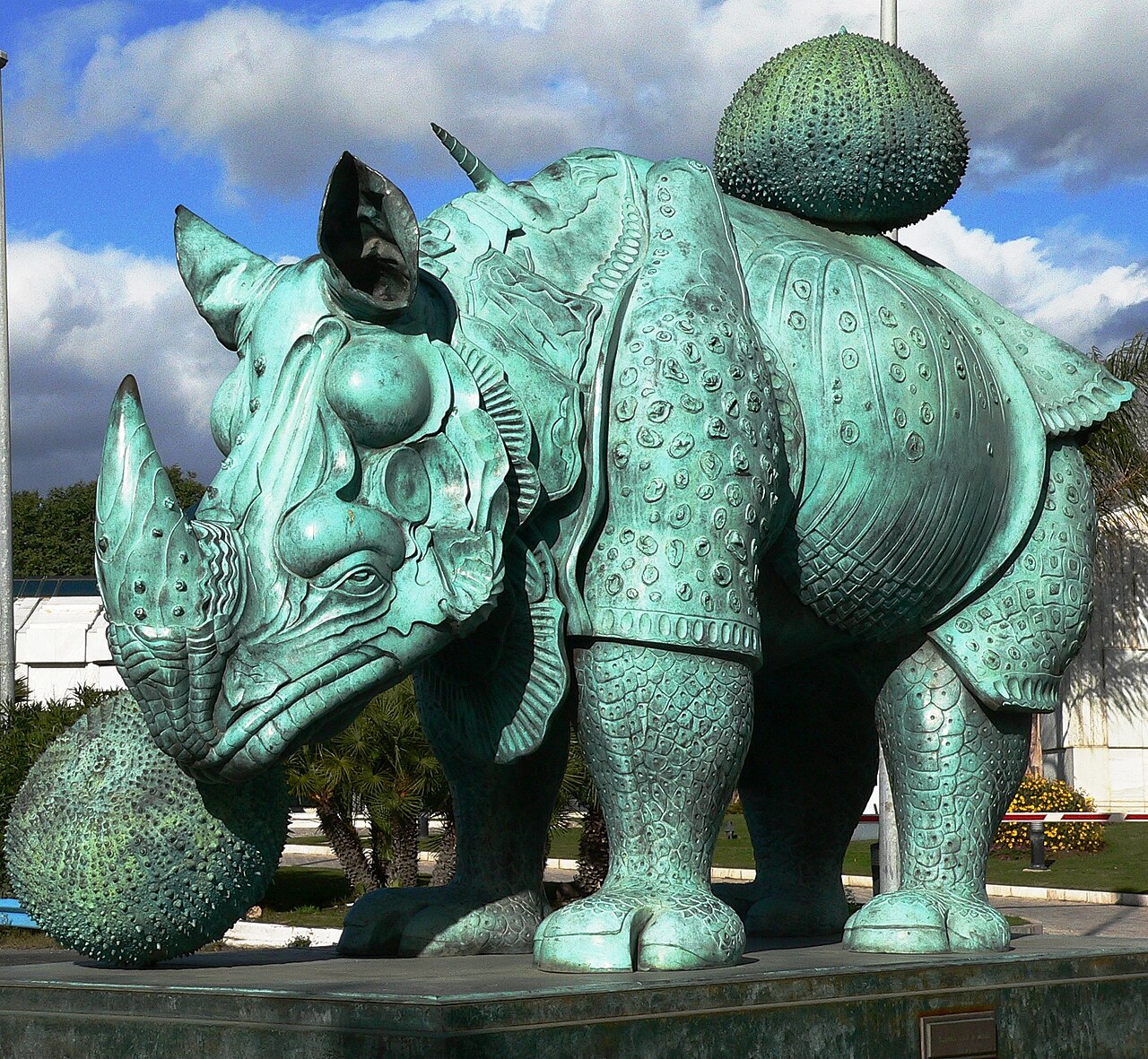
- Many of Dalí’s late paintings, sculptures and stage pieces are concentrated at the Dalí Theatre‑Museum in his hometown, a site he helped design and adapt to display his diverse output.
Film, photography and design
Dalí extended his imagination into cinema and popular culture through collaborations with filmmakers and photographers. He worked with Luis Buñuel on early surrealist films that brought provocative, dreamlike sequences to the screen, and later provided a famous dream sequence design for a Hollywood project. He collaborated on experimental animation with studios and maintained working relationships with photographers and portraitists. Dalí also designed furniture, theatrical sets, jewellery and stage costumes; these projects helped disseminate his imagery beyond the gallery and into domestic and commercial spheres.
Public persona and personal life
Dalí cultivated a flamboyant public image, partly as a strategy to make art into spectacle. He formed a long personal and professional partnership with his wife and muse, Gala, who managed many aspects of his career. His behaviour, outspoken opinions and commercial activities provoked both admiration and criticism, and at times created tensions with other artists and with the official Surrealist group.
Later years, death and legacy
In later life Dalí accepted public honours and devoted considerable energy to large projects and the creation of a permanent museum in his native town. He returned to Spain after periods abroad and continued to produce work in multiple formats. Dalí died of heart failure in Figueres, leaving a vast and varied body of work. His influence reaches across visual art, cinema, fashion and advertising; debates about his commercialism and politics sit alongside recognition of his technical virtuosity and impact on modern visual culture.
Dalí’s work continues to be the subject of exhibitions, scholarship and popular interest. His ability to combine craftsmanship, psychological themes and theatrical display ensured that his images — the soft watches, double images and uncanny figures — remain powerful reference points for discussions about imagination, spectacle and the boundaries between elite and mass cultures.
Related articles
Author
AlegsaOnline.com Salvador Dalí: life, art, and influence Leandro Alegsa
URL: https://en.alegsaonline.com/art/86572
Sources
- commons.wikimedia.org : Salvador Dalí
- authenticsociety.com : The Persistence of Memory
- wikidata.org : wikidata.org/wiki/Q5577
- aucklandartgallery.com : 6347
- agsa.sa.gov.au : 9114
- authority.bibsys.no : 10084042
- bncatalogo.cl : 000037931
- catalogo.bne.es : XX895429
- catalogue.bnf.fr : cb11898472f
- data.bnf.fr : (data)
- cantic.bnc.cat : a10430829
- ci.nii.ac.jp : DA00680754
- d-nb.info : 118523481
- isni.org : 0000 0001 2136 3183
- id.loc.gov : n79021554