
Salvador de Madariaga (1886–1978): Spanish diplomat, writer and internationalist
Spanish diplomat, historian and writer who promoted internationalism, European cooperation and pacifism; prominent intellectual in exile after the Spanish Civil War and author of essays and historical studies.
Salvador de Madariaga y Rojo (born July 23, 1886, in A Coruña, Spain; died December 14, 1978, in Locarno, Switzerland) was a Spanish diplomat, essayist, historian and public intellectual of the 20th century. He combined a long career in international affairs with a substantial literary output and a persistent commitment to peaceful cooperation among nations. He is widely remembered for his efforts to explain Spanish history to foreign readers and for advocating institutions and ideas designed to prevent war and foster cultural exchange.
Image gallery
2 Images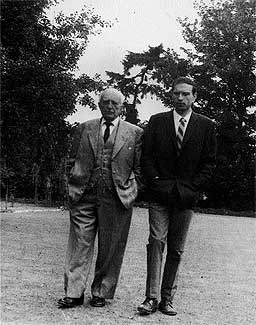

Early life and formation
Born into a family with commercial and cultural ties, Madariaga received an education that exposed him to several European languages and traditions. He developed early interests in literature, history and international relations that shaped both his diplomatic career and his later writing. Throughout his life he wrote in multiple languages and sought to mediate between Spanish and wider European intellectual currents.
Diplomatic career and exile
Madariaga served in the diplomatic service and spent much of his professional life representing Spain abroad and engaging with international organisations and intellectual networks. After the outbreak and consequences of the Spanish Civil War he lived for long periods outside Spain, taking part in debates on the future of European order, democracy and human rights. During these years he continued to write, lecture and participate in transnational cultural and political initiatives.
Writings and ideas
As a prolific writer, Madariaga produced essays, historical studies and cultural criticism addressed to both specialist and general readers. His work emphasised liberal values, constitutional government, civil liberties and the use of diplomacy to resolve conflicts. He supported internationalist and pacifist positions and argued for stronger forms of European cooperation as a response to the violence of the early 20th century. His publications helped shape foreign perceptions of Spain and contributed to discussions about European reconciliation after the world wars (writer, historian, pacifist).
Networks, languages and public engagement
Madariaga moved in wide intellectual circles, corresponding with and addressing figures across Britain, France and other countries. He wrote and lectured in several languages, promoted cultural exchange, and worked with international groups that sought to prevent future wars. His style combined scholarly attention to historical detail with a persuasive advocacy for political reform and cross‑border understanding.
Family and legacy
He was the father of the writer Nieves Mathews and of the scholar Isabel de Madariaga; his wider family included public figures active in later European affairs, among them his grandson Javier Solana. Madariaga's legacy is that of an engaged liberal intellectual: a diplomat who turned to letters and public argument in defence of democracy, and a cultural mediator who sought to make Spain intelligible to the rest of Europe.
Further reading and resources
For a fuller picture of his career and thought consult specialist biographies, edited collections of his essays and correspondence, and archival holdings that preserve diplomatic papers and letters. Local and national archives in A Coruña and cultural repositories in Locarno and elsewhere hold material relevant to his life and work; general studies of 20th‑century Spanish intellectual history also discuss his role in debates about European unity and pacifism.
Madariaga's life exemplifies the transnational commitments of many interwar and postwar intellectuals: combining practical diplomacy with sustained literary and historical production, he remained a notable voice for international cooperation and the peaceful resolution of disputes.
Questions and answers
Q: Who was Salvador de Madariaga?
A: Salvador de Madariaga was a notable Spanish diplomat, writer, historian, and pacifist.
Q: When and where was Salvador de Madariaga born?
A: Salvador de Madariaga was born on July 23, 1886, in A Coruña, Spain.
Q: What was Salvador de Madariaga's profession?
A: Salvador de Madariaga was a diplomat, writer, and historian.
Q: Who were Salvador de Madariaga's descendants?
A: Salvador de Madariaga was the father of Nieves Mathews and Professor/Historian Dr. Isabel de Madariaga. He was also the grandfather of Javier Solana.
Q: When did Salvador de Madariaga die?
A: Salvador de Madariaga died on December 14, 1978, in Locarno, Switzerland.
Q: What was Salvador de Madariaga's contribution to society?
A: Salvador de Madariaga was a noted historian who contributed significantly to the study of European history. Moreover, his work as a diplomat and pacifist contributed to the peaceful resolution of conflicts and the promotion of European unity.
Q: What legacy did Salvador de Madariaga leave behind?
A: Salvador de Madariaga's legacy includes his writings, which continue to inform contemporary debates on the history of Europe and international relations. Additionally, his work as a diplomat laid the foundation for peaceful resolve of conflicts in the region, and his activism continues to inspire other pacifists.
Related articles
Author
AlegsaOnline.com Salvador de Madariaga (1886–1978): Spanish diplomat, writer and internationalist Leandro Alegsa
URL: https://en.alegsaonline.com/art/86573
Sources
- geneall.net : Nieves Hayat de Madariaga Genealogy