
Balochistan (region): geography, peoples, history and contemporary issues
Balochistan is a large, arid region on the Iranian plateau spanning parts of Pakistan, Iran and Afghanistan. This article summarizes its geography, peoples and languages, history, economy and current political context.
Balochistan is a broad, predominantly arid region on the Iranian plateau, situated where Southwest and South-central Asia meet. It extends across international boundaries and includes territory within modern Pakistan, Iran and Afghanistan. The name derives from the Baloch people, a grouping of tribes and communities whose cultural identity gives the region its common name. Much of the land is desert or semi-desert and is commonly described as an arid region with marked seasonal variation in rainfall.
Image gallery
7 Images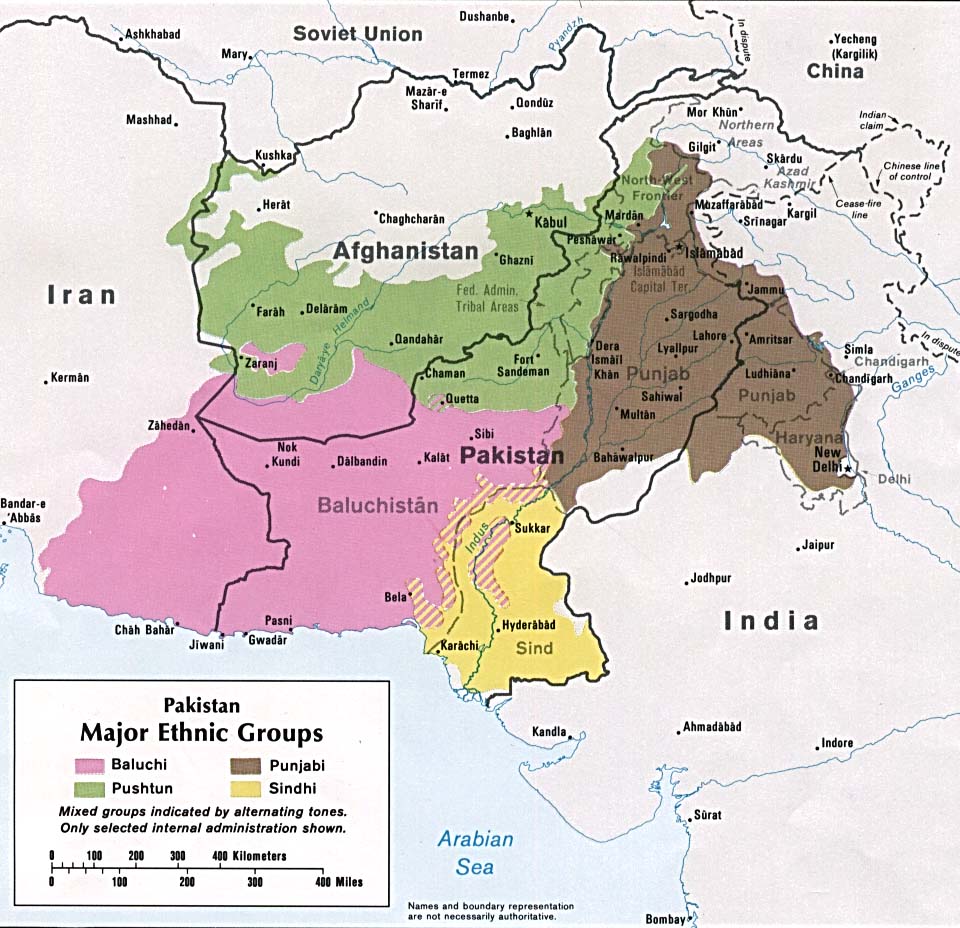



Geography and environment
The landscape includes a coastal lowland along the Arabian Sea, interior plateaus and mountain ranges that create rain shadows and isolated valleys. The southern coastal zone, historically known as Makran, has long been important for maritime connections and fishing. Ranges such as the Sulaiman and other escarpments shape local climates. Water resources are uneven; traditional systems such as springs, qanats and seasonal rivers remain central to livelihoods in many areas.
Peoples, languages and culture
Population groups are ethnically and linguistically diverse. The Balochi language and Baloch tribal identities are widespread, but many communities speak other languages including Brahui, Pashto and varieties of Persian such as Hazaragi in areas with Hazara populations. Scholarly and local traditions discuss migrations and cultural links from the west and northwest over many centuries; some older accounts use terms such as Aryan or Indo‑Iranian when referring to deep historical connections, but modern scholarship treats origins as complex and multi-layered.
History and development
Historically the region lay on routes connecting the Iranian plateau, Central Asia and the Indian subcontinent. Local dynasties, tribal confederations and imperial powers at different times influenced parts of Balochistan. During the 19th and 20th centuries the territory was partitioned among emerging modern states, leaving cross‑border communities and varied administrative arrangements. In the later 20th and early 21st centuries the discovery and exploitation of mineral and hydrocarbon resources, and strategic coastal development, increased the region’s economic and geopolitical profile.
Economy and contemporary issues
Economic activity includes pastoralism, small‑scale agriculture where irrigation permits, coastal fisheries and extractive industries where deposits are found. Large infrastructure and port projects in parts of the region have strategic importance and have also generated local debates about development, benefit sharing and environmental impact. Traditional tribal structures and customary institutions continue to play a major role in social organization, while modern state governance, human security, and demands for greater political and economic rights are important elements of contemporary public life. Some Baloch groups and civil society organisations participate in international forums such as the Unrepresented Nations and Peoples Organization.
Summary
- Location: on the Iranian plateau, spanning territories in Pakistan, Iran and Afghanistan.
- Environment: largely arid, with coastal Makran (Makran), mountain ranges and interior plateaus.
- Languages and peoples: diverse—Balochi, Brahui, Pashto, and Persian varieties including Dari/Persian and Hazaragi; historical links sometimes described in terms of Aryan or Indo‑Iranian movements.
- Contemporary concerns: resource governance, infrastructure and economic development, cultural rights and local security.
For further reading and regional overviews consult specialized histories, ethnographic studies and current policy analyses that treat Balochistan’s environment, peoples and politics in greater depth.
Related articles
Author
AlegsaOnline.com Balochistan (region): geography, peoples, history and contemporary issues Leandro Alegsa
URL: https://en.alegsaonline.com/art/8579