
Aryan (self-name of ancient Indo-Iranian peoples)
Ancient self-designation used by Indo-Iranian speakers meaning 'noble' or 'free one'; attested in Sanskrit and Avestan, linked to names for Iran and northern India, and later misused in racial ideologies.
Overview
The term "Aryan" (from Old Indo-Iranian *arya-) was a self-designation used by groups who spoke early Indo-Iranian languages. In those languages the word carried social meaning—commonly rendered as "noble," "free," or "honorable"—rather than a modern racial label. It appears in several ancient texts and place-names and is the origin of the name Iran, which ultimately means "land of the Aryans".
Image gallery
10 Images
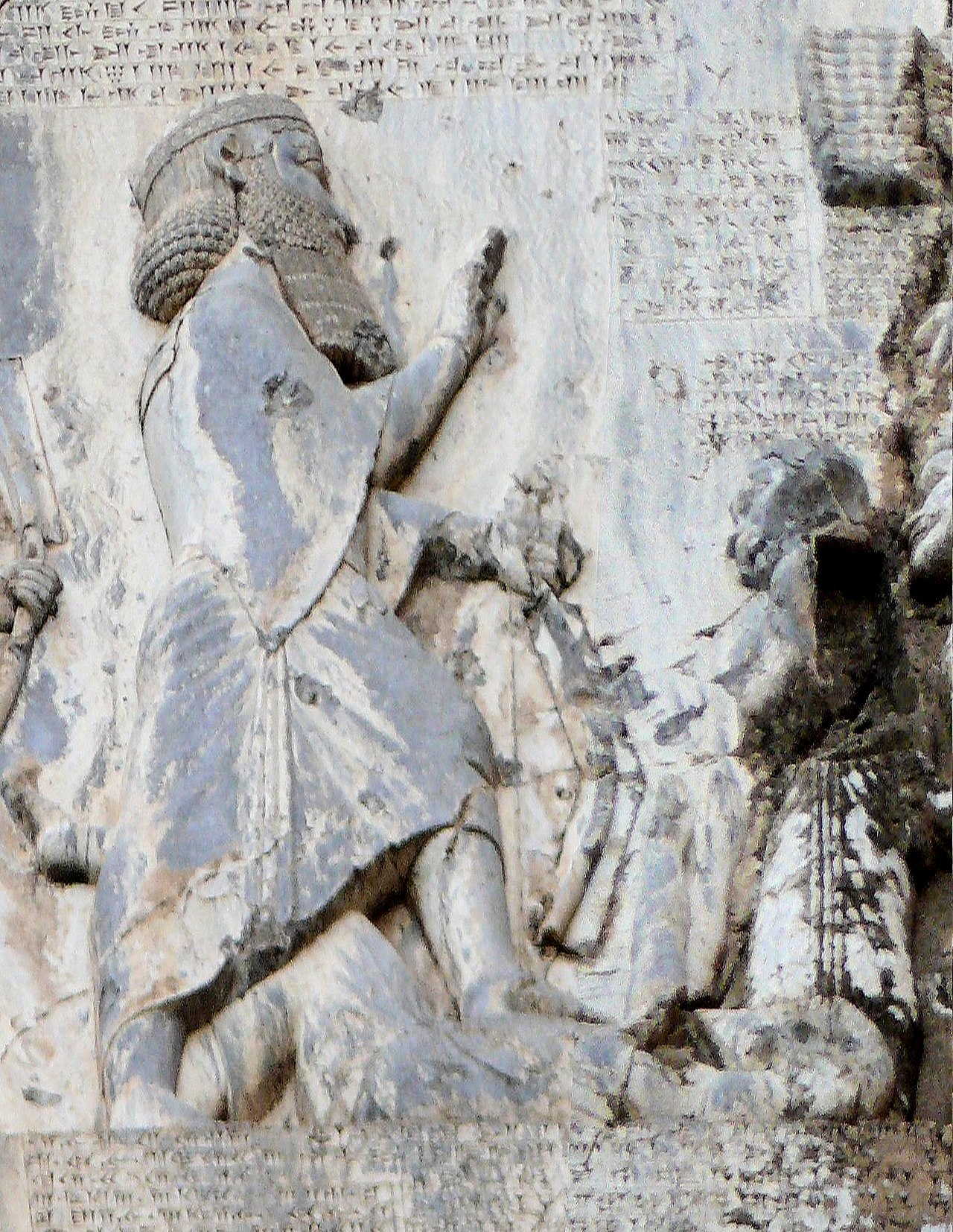


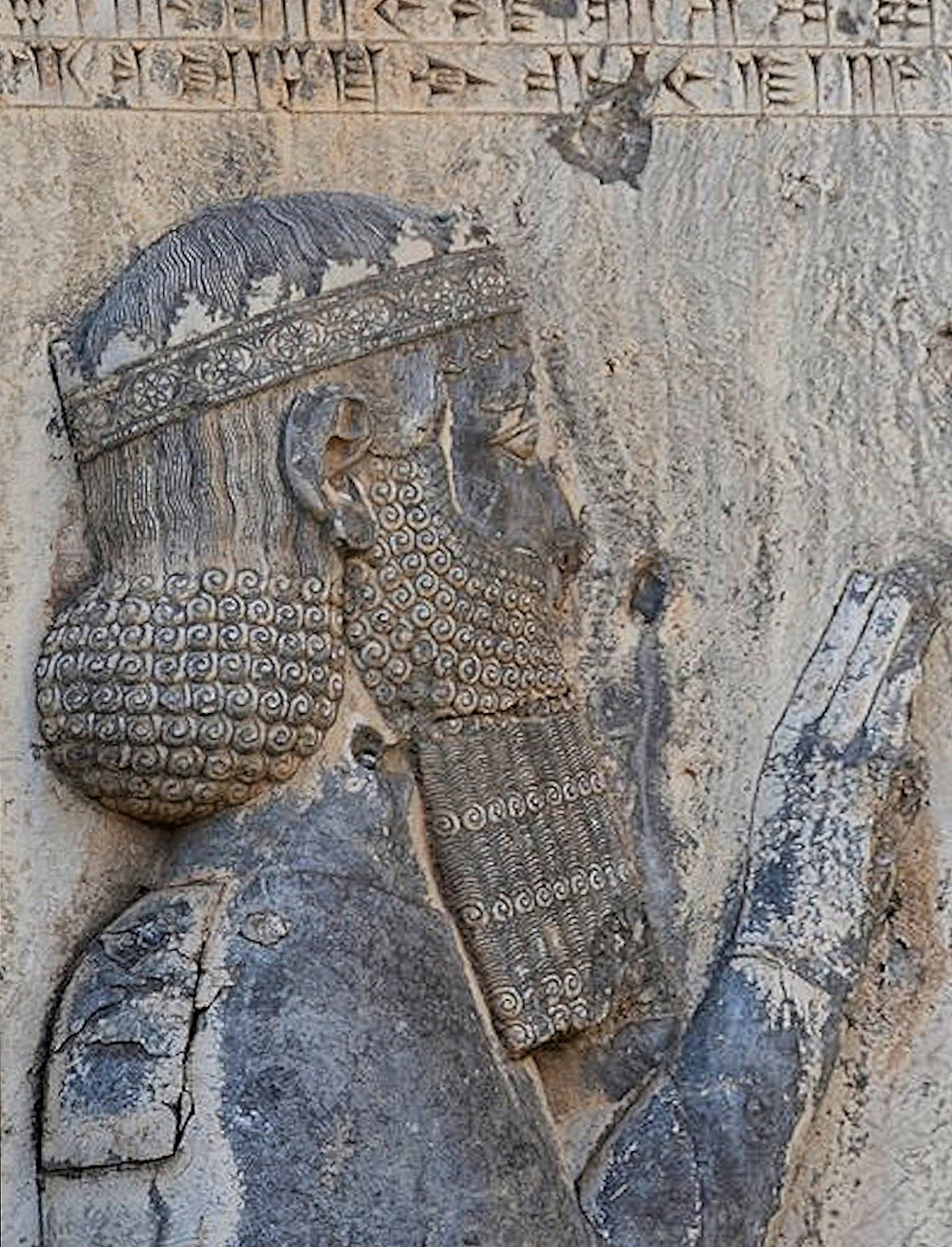


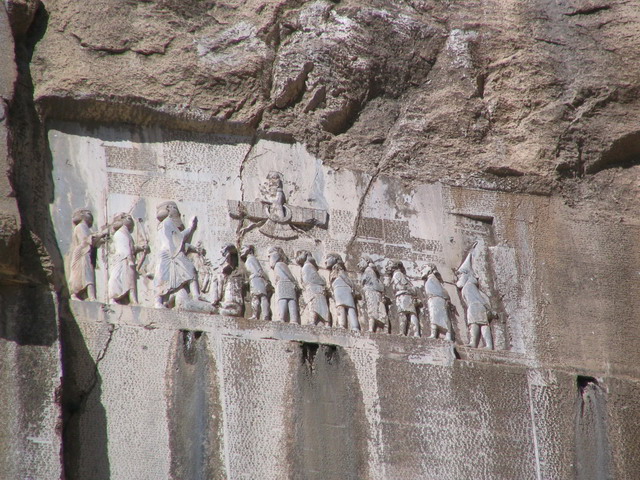


Linguistic and textual evidence
Two principal early attestations come from the eastern and western branches of the Indo-Iranian family. In the Indian tradition, the word appears throughout the Vedic corpus composed in Sanskrit, especially in hymns and social formulae preserved in the Vedas and portions of the Rigveda. In the Iranian tradition, related forms occur in Avestan texts: names such as Airiianəm vaēǰō (commonly translated as the "Aryan expanse") and phrases naming the "Aryan people" and their lands are found in Zoroastrian scripture.
Historical geography and place-names
Ancient sources used terms derived from the same root to indicate regions and polities. The Sanskrit term Āryāvarta referred to a cultural-geographic area in the northern part of what is now India. In Avestan the phrase for the Aryan homeland is associated with one of the perfect lands created by the god Ahura Mazda in Zoroastrian tradition. Classical writers knew parts of the Iranian plateau and adjacent territories as Ariana. During the Sassanian period the empire used Middle Persian terminology such as Eran or Eran-shar to mean the "Aryan realm"; the Sassanians are the dynasty often labeled the Sassanian Empire, which ruled from the 3rd century into the 7th century. The modern name Iran derives from the same root.
Migration, branches and descendants
Scholars place the speakers who used the self-name in the broader context of Indo-European language dispersals. The Indo-Iranian branch split into Iranian and Indo-Aryan subgroups; descendants of these groups include classical Sanskrit-using communities and the Iranian-speaking peoples. The linguistic relation to the larger family is generally expressed with the term Indo-Iranian languages, themselves a branch of the Indo-European languages. Over centuries these languages and cultures diversified into the many languages and traditions now found across South and Central Asia.
Modern usage, scholarly caution and misuse
In modern scholarship the word "Aryan" is used carefully to refer to historical and linguistic phenomena connected with the Indo-Iranian self-designation. From the 19th century onward the term was controversially adopted into racial theories and political ideologies that distorted its original meanings; the most extreme appropriation occurred in the 20th century when racially charged movements presented a mythic Aryan identity as a basis for exclusionary policies. Contemporary historians and linguists therefore distinguish the ancient, linguistic-cultural sense of the term from these later ideological uses and caution against conflating language, culture and any simplistic racial categories.
Significance and common references
The legacy of the name is visible in several enduring cultural and geographic references. Examples include the Sanskritic cultural zone of Āryāvarta, the Avestan phrases for the Aryan lands, the Greek name Ariana used in classical geography, and the continuity of a form of the root in Middle Persian and modern Persian. For readers interested in primary texts and language evidence, editions and translations of the Vedas and Avestan collections provide direct attestations, and specialized studies trace the linguistic development from Proto-Indo-Iranian into the historical languages found in the region.
- Key ancient sources: Rigveda, Avestan hymns and law-gathas.
- Key terms: Sanskrit Ārya, Avestan Airiia- forms, Middle Persian Eran.
- Historical frame: Indo-Iranian expansions and Sassanian political usage (Sassanian Empire, 3rd century–7th century).
For further reading consult linguistic surveys of the Indo-Iranian languages and comparative works on the Indo-European languages, as well as reliable translations of the Vedas and Avestan corpus.
Questions and answers
Q: What is the meaning of the name Aryan?
A: The name Aryan was used by an ancient people speaking Indo-Iranian languages to refer to themselves. It also meant nobles in Ancient Persian and Vedic cultures.
Q: What does the term Iran mean?
A: Iran means "Land of the Aryans" in reference to the ancient people who spoke Indo-Iranian languages.
Q: What language is Sanskrit?
A: Sanskrit is an Indo-European language, and it is the oldest written language of this family of languages.
Q: What are the Vedas composed in?
A: The Vedas are composed in Sanskrit, which is an Indo-European language.
Q: When did the Sassanian Empire rule Persia?
A: The Sassanian Empire ruled Persia from 3rd century to 7th century.
Q: How was this empire referred to by Middle Persians? A: This empire was referred to as Eran-shar, meaning "the Aryan Empire" by Middle Persians.
Q: What is Āryāvarta? A: Āryāvarta was a region located north of today's India that translates as “abode of the Aryans”.
Related articles
Author
AlegsaOnline.com Aryan (self-name of ancient Indo-Iranian peoples) Leandro Alegsa
URL: https://en.alegsaonline.com/art/6419