
Balmoral Castle — Scottish royal residence and estate
Balmoral Castle is a privately owned royal residence in Aberdeenshire, Scotland. Acquired by Queen Victoria and Prince Albert in the 19th century, it remains a private summer retreat and working estate.
Overview
Balmoral Castle is a private royal residence and large Highland estate located in Aberdeenshire, in the northeast of Scotland. The estate covers roughly 50,000 acres (about 20,000 hectares) of moorland, woodland and riverside territory. Acquired in the mid-19th century by members of the British royal family, Balmoral functions today as an individual possession of the sovereign rather than property of the state or the Crown Estate. It served for many decades as a favored summer retreat of Queen Elizabeth II and the royal household.
Image gallery
10 Images




Architecture and grounds
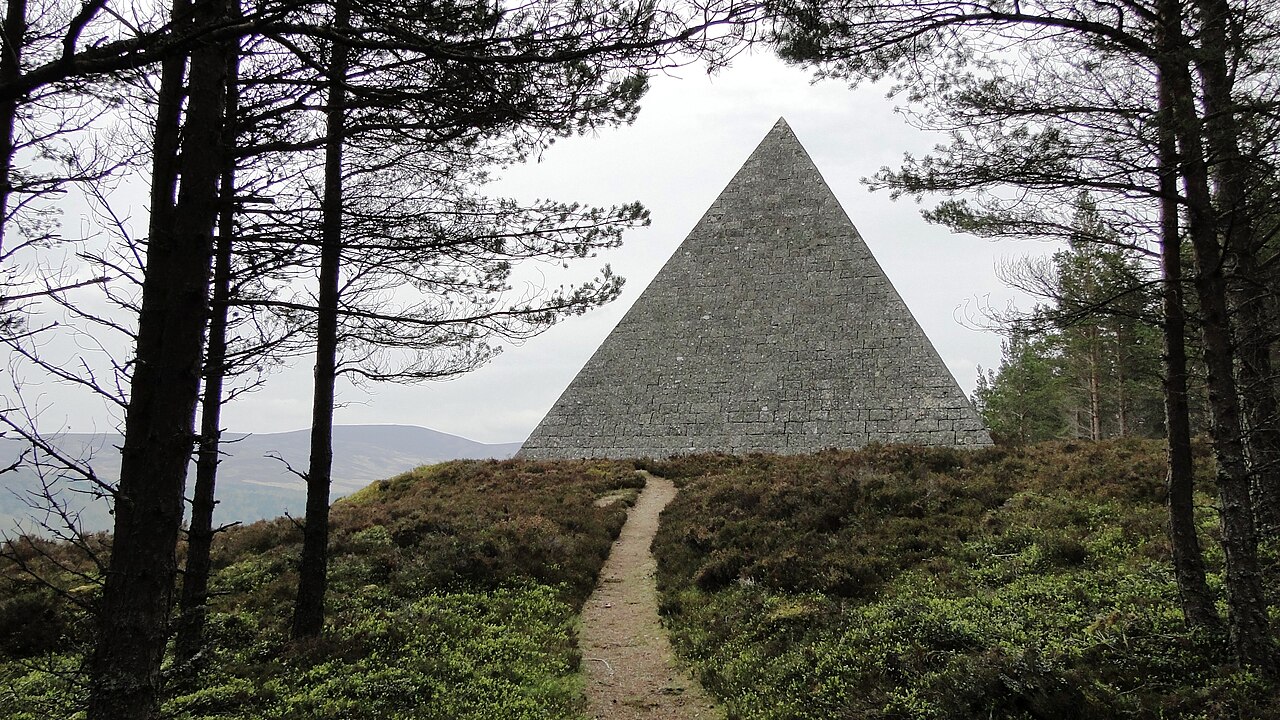
The main house known as Balmoral Castle was rebuilt in the 1850s in a style inspired by Scottish baronial architecture, featuring turrets, steep roofs and robust granite walls suited to the Highland setting. Queen Victoria personally took an interest in the project: she laid a foundation stone in 1853 and recorded the event in her journals. The estate includes formal gardens, several lodges, rental cottages and working land for activities such as managed deer stalking, grouse shooting, fishing and hillwalking. Much of the surrounding landscape remains managed for conservation and traditional rural uses.
History and development
The property entered royal ownership in stages during the 19th century. The purchase and subsequent rebuilding reflect Queen Victoria and Prince Albert’s enthusiasm for Scotland and the Highlands, a trend that influenced fashion, literature and travel across Britain during the Victorian era. Over time the estate expanded to include tenant farms, crofts and outbuildings; several small communities and service properties have long-standing associations with the castle and its staff. Management of the estate blends heritage stewardship with contemporary agricultural and sporting activities.
Role, access and modern use
Balmoral remains a private home for the royal family and is used primarily as a seasonal retreat, traditionally in late summer. It is distinct from public royal residences: the property is held by the monarch as a private asset, not as part of state-owned holdings. Parts of the estate — including gardens, exhibitions and selected grounds — are opened to visitors at certain times of year when members of the family are not in residence. The remainder of the castle and many residential buildings are kept private for family use and estate operations. The castle was the place where Queen Elizabeth II died on 8 September 2022, a notable recent event in the site’s long association with the monarchy.
Significance and notable facts
- Balmoral is recognized for its blend of Victorian architecture adapted to a Highland setting and its contribution to the popular image of the Scottish Highlands.
- The estate is large—approximately 50,000 acres—supporting mixed uses from conservation to sporting management and rural housing.
- Although used by successive sovereigns, Balmoral is privately owned by the royal family rather than held by the state; this private status affects how the property is managed and accessed by the public. See more on ownership details here.
- Queen Victoria’s involvement in the castle’s mid-19th-century rebuilding established a long royal connection; the site continued to be a favored summer residence for later monarchs.
- The estate supports local employment and maintains traditional Highland activities alongside heritage and visitor amenities.
Visitors interested in learning more should consult current visitor information before planning a trip, because public access varies with the royal family’s presence and with seasonal opening arrangements. The estate combines private family life, historic architecture and active land management in one of Scotland’s most widely recognized royal properties.
Related articles
Author
AlegsaOnline.com Balmoral Castle — Scottish royal residence and estate Leandro Alegsa
URL: https://en.alegsaonline.com/art/8569