
Albert, Prince Consort (1819–1861)
Prince Albert of Saxe‑Coburg and Gotha, husband of Queen Victoria, patron of arts, science and education, organiser of the 1851 Great Exhibition and influential adviser to the crown.
Overview
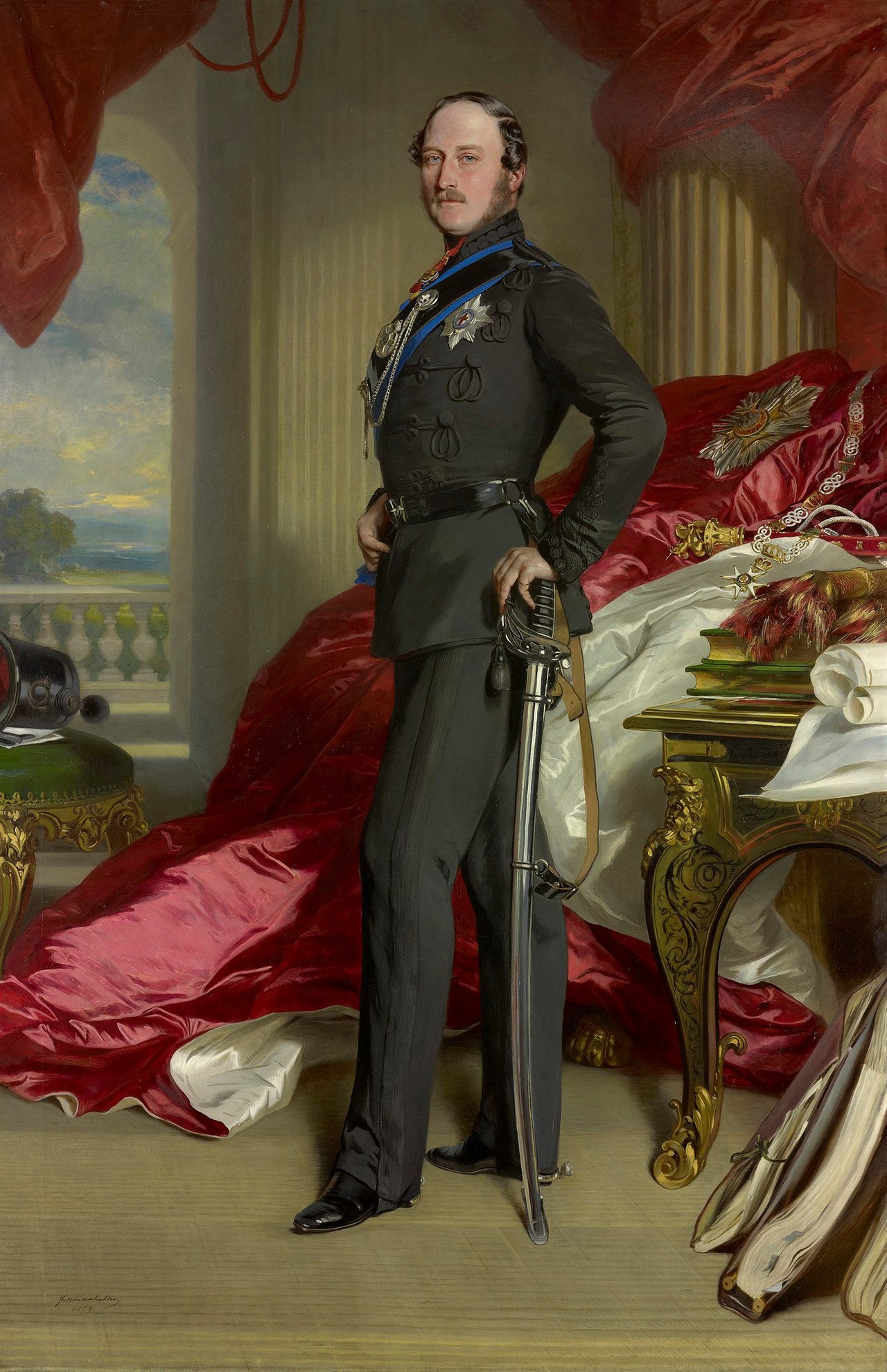
Prince Albert of Saxe‑Coburg and Gotha (Francis Albert Augustus Charles Emmanuel; 26 August 1819 – 14 December 1861) was the husband and consort of Queen Victoria and an important figure in mid‑Victorian public life in the United Kingdom. Born near Coburg in what is now central Germany, he belonged to a German ducal house and was the son of Ernest I, Duke of Saxe‑Coburg and Gotha. He combined private intellect and public activity, championing arts, science and technical education and shaping the public duties of a modern consort.
Image gallery
10 Images



Early life and education
Albert received a continental education and showed early aptitude for science, languages, literature and mathematics. His upbringing exposed him to the network of European royalty and to the practical administration of small German states. That background informed his later interest in industrial design, museums and the organisation of public institutions.
Marriage and role at court
Albert married his first cousin, Victoria, on 10 February 1840 at St. James's Palace in London. Their marriage combined strong personal attachment with frequent consultation on matters of taste, education and public welfare. Early in their marriage the queen deliberately limited his direct engagement in party politics and formal ministerial government business, but over time Albert became a trusted informal adviser to ministers and to the Prime Minister. He worked to modernise court etiquette and to present the monarchy as an exemplar of moral and domestic virtues.
Public initiatives and patronage
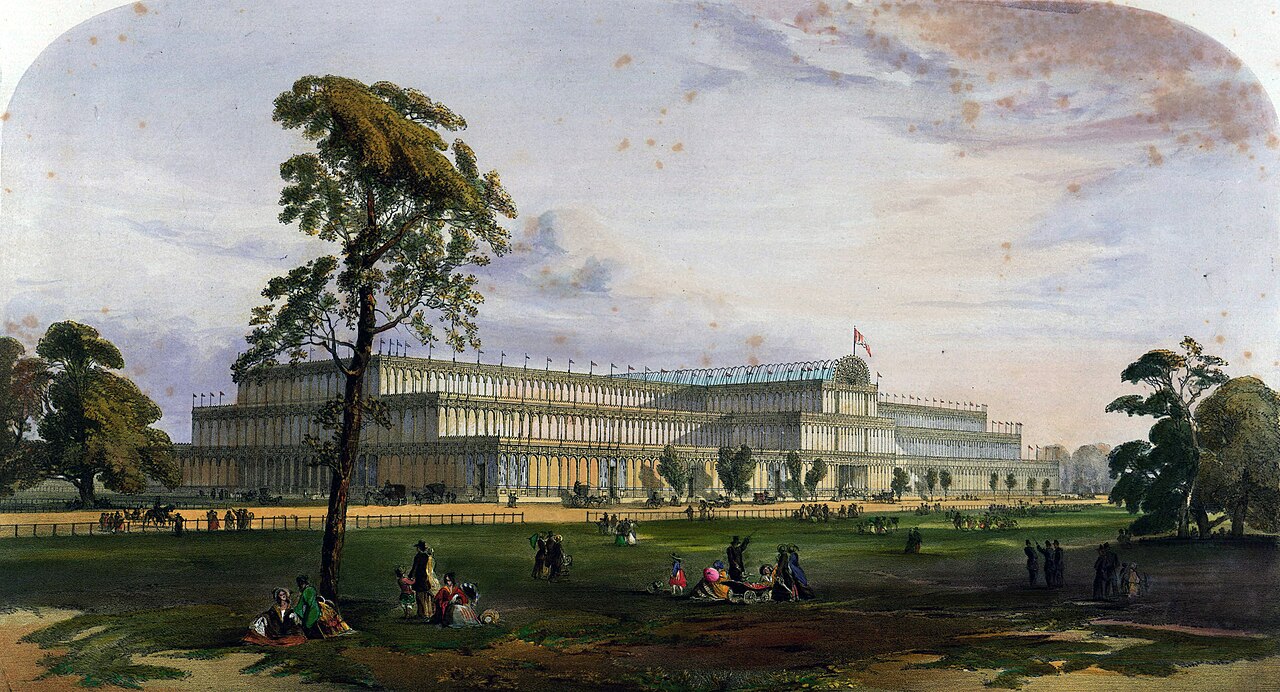
Albert used his position to advance technical education, museum development and improvements in design. He was the principal organiser of the 1851 Great Exhibition in Hyde Park, London, held in the original Crystal Palace. The exhibition showcased manufactures and innovations from Britain and abroad, promoted international exchange and helped to raise funds for museums and schools in what became the South Kensington cultural district. Albert supported Schools of Design, scientific societies and institutions that sought to apply scientific knowledge to industry.
- He promoted technical and artistic education to improve manufacturing quality.
- He encouraged the foundation and improvement of public museums and galleries.
- He advised on civic architecture, sanitation improvements and philanthropic projects.
Family and dynastic links
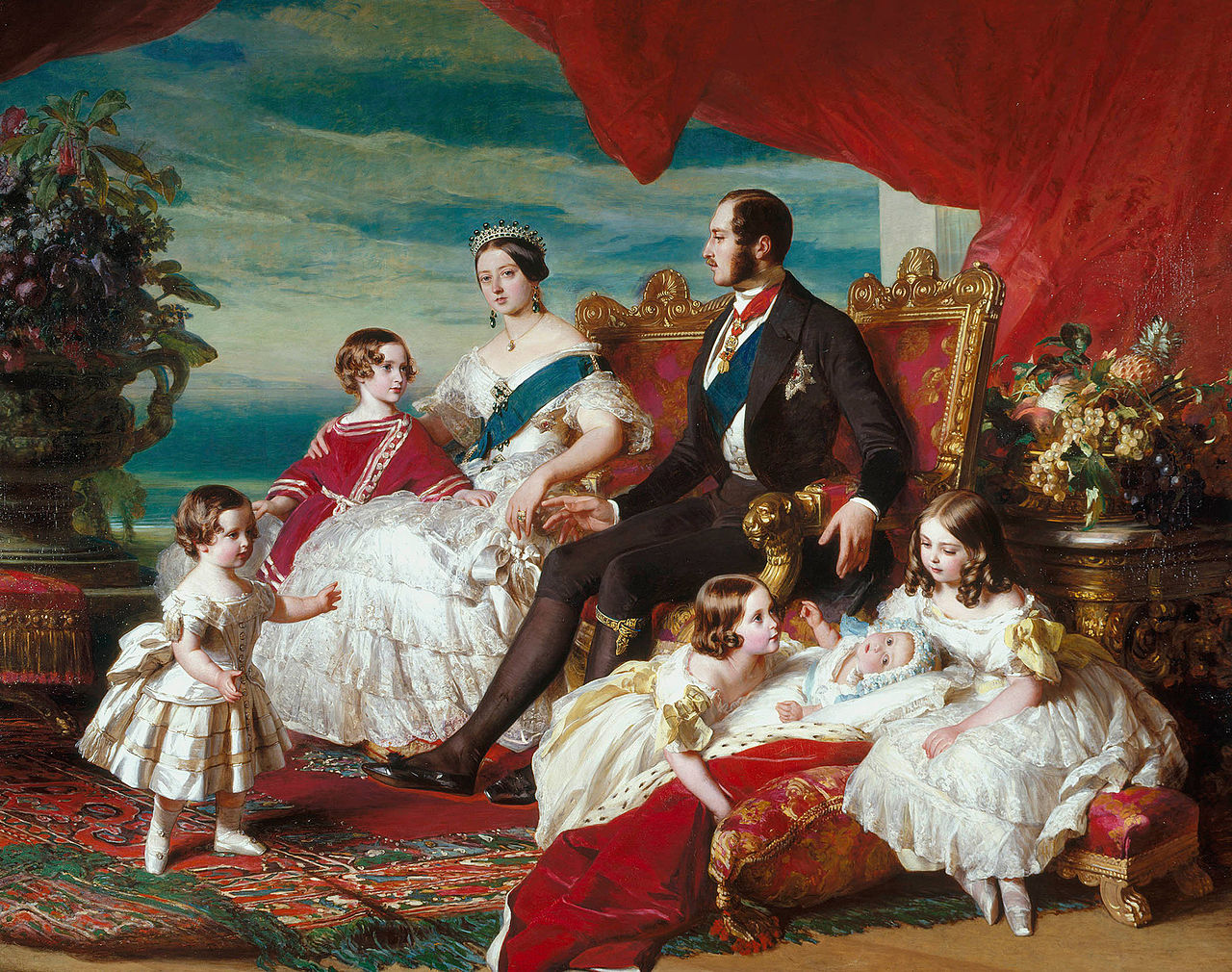
Victoria and Albert had nine children. Their household modelled a domestic ideal that influenced public perceptions of family life in Britain and abroad. Their eldest child, the Princess Royal Victoria, later became Queen of Prussia and German Empress by marriage; their second child was Albert Edward, later Edward VII. Other children — including Alice, Alfred, Helena, Louise, Arthur, Leopold and Beatrice — married into European royal houses, extending dynastic ties and cultural exchange across courts. The couple’s emphasis on education and public duty was central to their parental outlook, though relationships within the family varied and could be strained by expectations and discipline.
Final years, illness and death
Albert’s health declined in the late 1850s and early 1860s amid repeated illnesses and overwork. In late 1861 he fell ill while travelling to Cambridge to visit his eldest son and developed a severe fever. Contemporary physicians recorded the illness as typhoid or a similar infectious disease; nineteenth‑century outbreaks such as cholera were widely associated with contaminated water and poor sanitation. Albert died at Windsor Castle on 14 December 1861. Queen Victoria entered protracted mourning, a response that significantly reduced her public engagements and altered perceptions of the monarchy for many years.
Assessment and legacy
Albert was granted the formal title of Prince Consort in 1857. Although he never held ministerial office, his influence came through patronage, cultural leadership and private counsel to the sovereign. He is remembered for advancing museum institutions, design education and international exhibitions, and for shaping court ceremonial and family image. Historians note both his achievements and the limits of unelected influence in constitutional government; assessments remain cautious about attributing long‑term political consequences solely to his personal role.
Albert’s initiatives helped to found or stimulate institutions that became permanent features of British cultural life, and his family connections linked Britain into the web of European dynasties of the nineteenth century. The Great Exhibition and subsequent museums contributed to public education in science and the arts and left a visible legacy in London institutions and civic taste. For detailed studies, specialized biographies, museum archives and contemporary documents provide primary evidence and fuller analysis of his life and influence.
Questions and answers
Q: Who was Prince Albert?
A: Prince Albert of Saxe-Coburg and Gotha was the husband of Queen Victoria of the United Kingdom of Great Britain and Ireland.
Q: Where was Albert born?
A: Albert was born near Coburg, in Germany.
Q: When did he marry Queen Victoria?
A: He married Queen Victoria, his first cousin, on 10 February 1840.
Q: What did Queen Victoria not allow him to do?
A: Queen Victoria kept Albert out of politics; he was not allowed to take part in the government of the country.
Q: What event did Prince Albert come up with?
A: Prince Albert came up with the idea for the Great Exhibition in Hyde Park, London which was meant to show Britain's industrial strength.
Q: How many children did they have together?
A: They had nine children together.
Q: What caused his death?
A: He died from typhoid fever which he caught while travelling to Cambridge to see his son.
Related articles
Author
AlegsaOnline.com Albert, Prince Consort (1819–1861) Leandro Alegsa
URL: https://en.alegsaonline.com/art/113531