
Aberdeenshire: geography, history, economy and administrative distinctions
Northeast Scotland area where a historic county and a modern council area share a name but different boundaries. Features North Sea coast, farmland, uplands, energy and food industries, castles and outdoor recreation.
Overview
Aberdeenshire is a large and varied area in northeast Scotland whose name applies both to a historic county and to a modern unitary council area. The Scottish Gaelic form is given as Siorrachd Obar Dheathain. The historic county and the contemporary council area are related in origin but are not coterminous: local government reorganizations in the 20th century altered boundaries and responsibilities.
Image gallery
8 Images



Geography and principal settlements
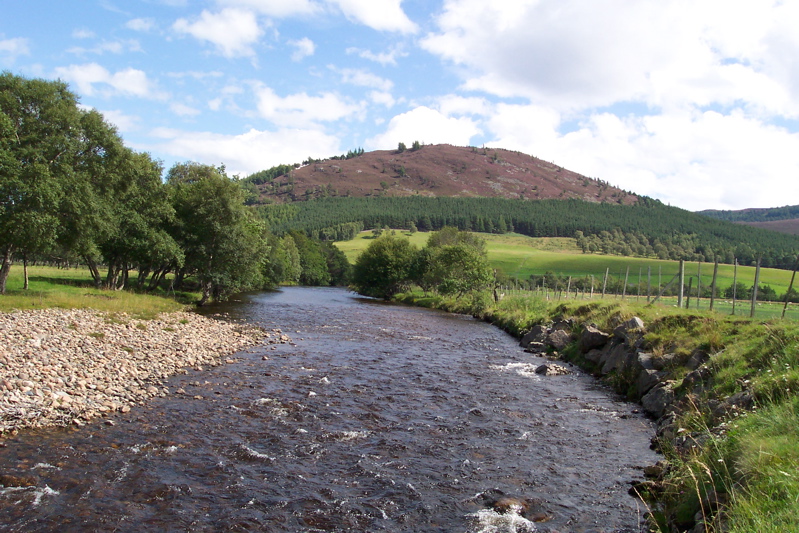
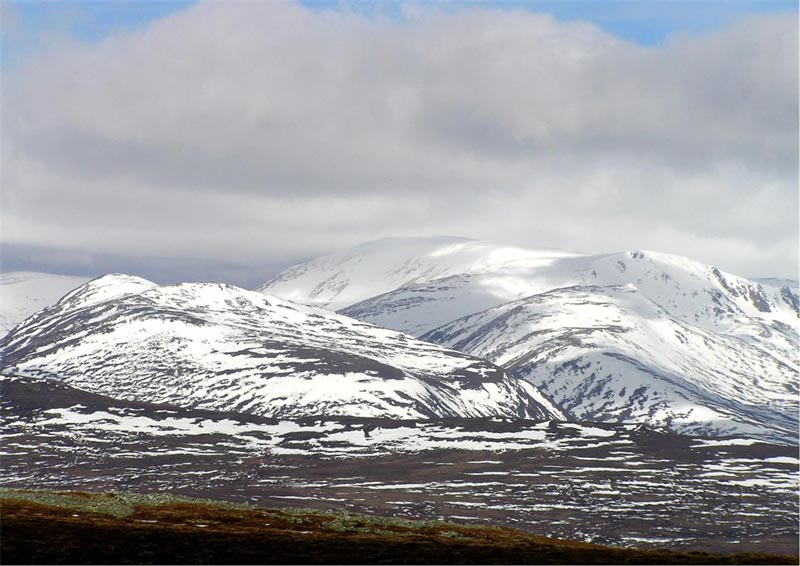
The landscape ranges from a long North Sea coastline to fertile agricultural plains and rising upland terrain that reaches into the eastern Grampian Mountains and around parts of the Cairngorms. Rivers such as the Dee and the Don traverse the area. Principal towns and ports in the council area include Peterhead, Fraserburgh, Stonehaven and Inverurie; the City of Aberdeen lies nearby but is administratively separate. For the differing legal and historic meanings see the entries for historic county and for the unitary council area within Scotland.
Natural environment
Coastal habitats, estuaries and moorland heaths support diverse wildlife and fisheries. The upland areas provide routes for hillwalking and winter sports and contain parts of National Scenic Areas. Agricultural lowlands around the rivers support mixed farming and arable crops, while stone and granite outcrops shape local architecture and townscapes.
History and administration
The district has deep historical roots including early Pictish settlement, medieval lordships and a long pattern of coastal and inland communities. Over centuries, administrative arrangements changed from historic counties to regional and district structures and finally to the present single-tier council system; the contemporary Aberdeenshire council is one of the 32 local authorities responsible for local services across a largely rural and small-town territory.
Economy, culture and tourism
The economy blends agriculture, fishing and food processing with substantial links to North Sea energy activity and associated industries. Tourism is important: visitors come for historic castles, whisky distilleries, coastal scenery and outdoor recreation. Local festivals, traditional music and built heritage contribute to a distinct regional identity.
Notable facts
- The historic county and the modern council area share a name but have different boundaries; the City of Aberdeen is a separate authority.
- Land use is diverse: coastal fisheries, arable and livestock farming, upland recreation and energy-related activity all coexist.
- Granite and traditional stonework are prominent in many towns, and the area contains numerous castles and historic sites of interest to visitors and researchers.
Related articles
Author
AlegsaOnline.com Aberdeenshire: geography, history, economy and administrative distinctions Leandro Alegsa
URL: https://en.alegsaonline.com/art/419