
Private property: legal, economic, and political perspectives
Private property is a legal and social institution granting individuals or groups exclusive control over assets. This article explains its features, history, types, roles, and common debates.
Overview
Private property is a legal and social institution that assigns exclusive rights over things to individuals, households, firms or other non-state entities. These rights typically allow the owner to use, exclude others from, transfer, and bequeath the asset. Private property contrasts with public or communal ownership, where control is exercised by government bodies or by a community as a whole; for example, a city-owned public park is administered for general use rather than owned by a private person.
Image gallery
5 Images


Characteristics and legal features
Legal systems differ in how they define and protect private property, but several features commonly appear. Owners are normally entitled to:
- Use — employ or consume the item;
- Exclusion — prevent others from using it;
- Transfer — sell, gift, or lease the item to others;
- Alienation and inheritance — dispose of it during life or by will.
These rights are subject to limits such as zoning, taxation, environmental rules, and eminent domain, which allow the state to acquire property for public use under specific conditions.
Historical and political perspectives
Concepts of private property evolved with social and economic change. In many societies customary landholding and communal systems preceded modern individual title. The rise of market economies and industrial production strengthened legal regimes protecting private assets. Different political theories treat private property differently: proponents of capitalism view secure private ownership as a foundation for markets and investment, while critics from socialist and Marxist traditions focus on how private ownership of the means of production shapes class relations and advocate alternative forms of collective or worker ownership.
Functions, examples, and controversies
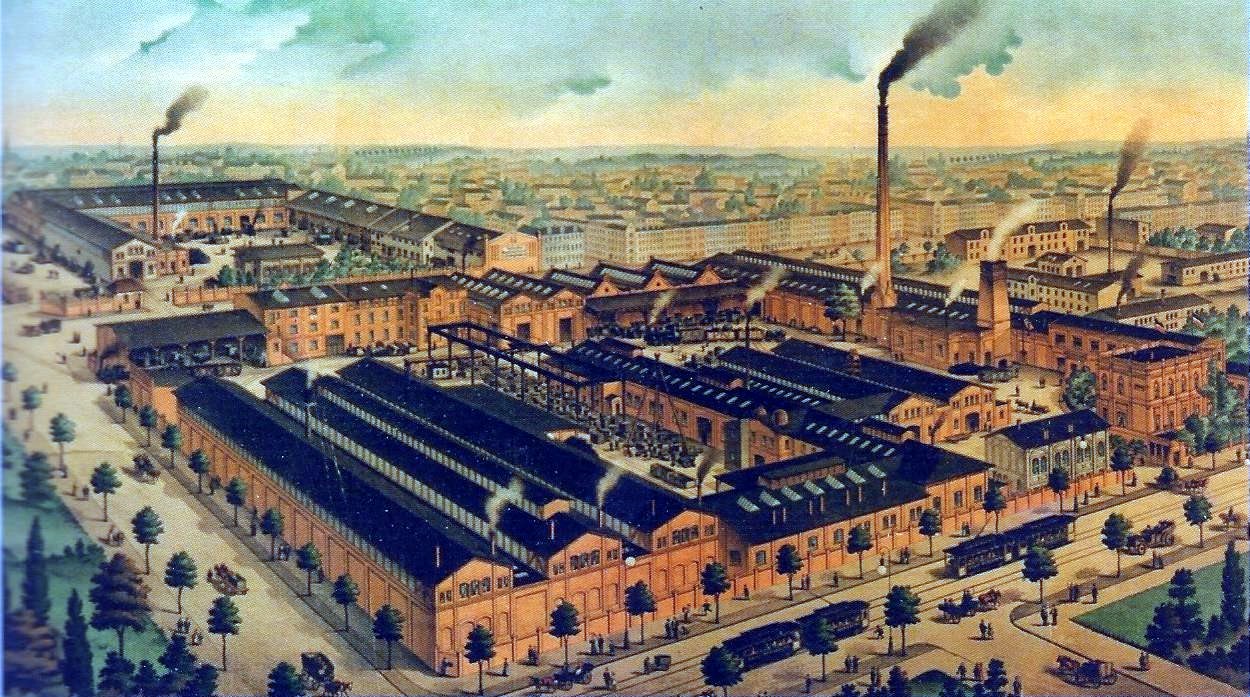
Private property plays several functions in contemporary economies: it creates incentives for investment, enables credit by serving as collateral, and organizes production and exchange. Typical forms include land and buildings, consumer goods, corporate shares, and intellectual creations. However, debates persist. Supporters argue that property rights promote efficient resource use and innovation; critics point to unequal distribution of property, the potential for concentration of wealth, and harms such as environmental externalities that private owners may not address without regulation. Discussions about who should own key assets — whether factory ownership should be private or democratically controlled, for example — remain central to political and economic debate.
Distinctions and notable facts
It is useful to distinguish private property from related terms. "Personal property" often denotes possessions for personal use, like clothing or a toothbrush, while "private property" in political economy may refer more narrowly to ownership of capital goods or the means of production. Legal categories also distinguish tangible from intangible property (such as patents and copyrights). Property regimes vary across jurisdictions and historical periods; arrangements that balance individual control, public interest, and social equity are the subject of ongoing lawmaking and scholarly debate. Finally, private ownership facilitates trade by clarifying who may exchange or contract over items, and its legal underpinnings are treated by comparative and national law studies.
Related articles
Author
AlegsaOnline.com Private property: legal, economic, and political perspectives Leandro Alegsa
URL: https://en.alegsaonline.com/art/79277