
Adam and Eve — Origins, Narrative, and Cultural Influence
Adam and Eve are central figures in Abrahamic traditions. Their story in Genesis and other scriptures explores themes of creation, temptation, knowledge, exile and has shaped theology, art and literature.
Overview
Adam and Eve are portrayed in the scriptures and religious traditions of Judaism, Christianity and Islam as the first human beings created by the divine. The best-known account appears in the Book of Genesis, part of the canonical Bible, and related narratives or references occur in the Qur'an and in later religious writings such as the Aqdas and other interpretive texts. Across different communities the pair function as ancestral figures, symbolic characters, or historical persons depending on theological, literary and doctrinal perspectives.
Image gallery
10 Images



Narrative elements
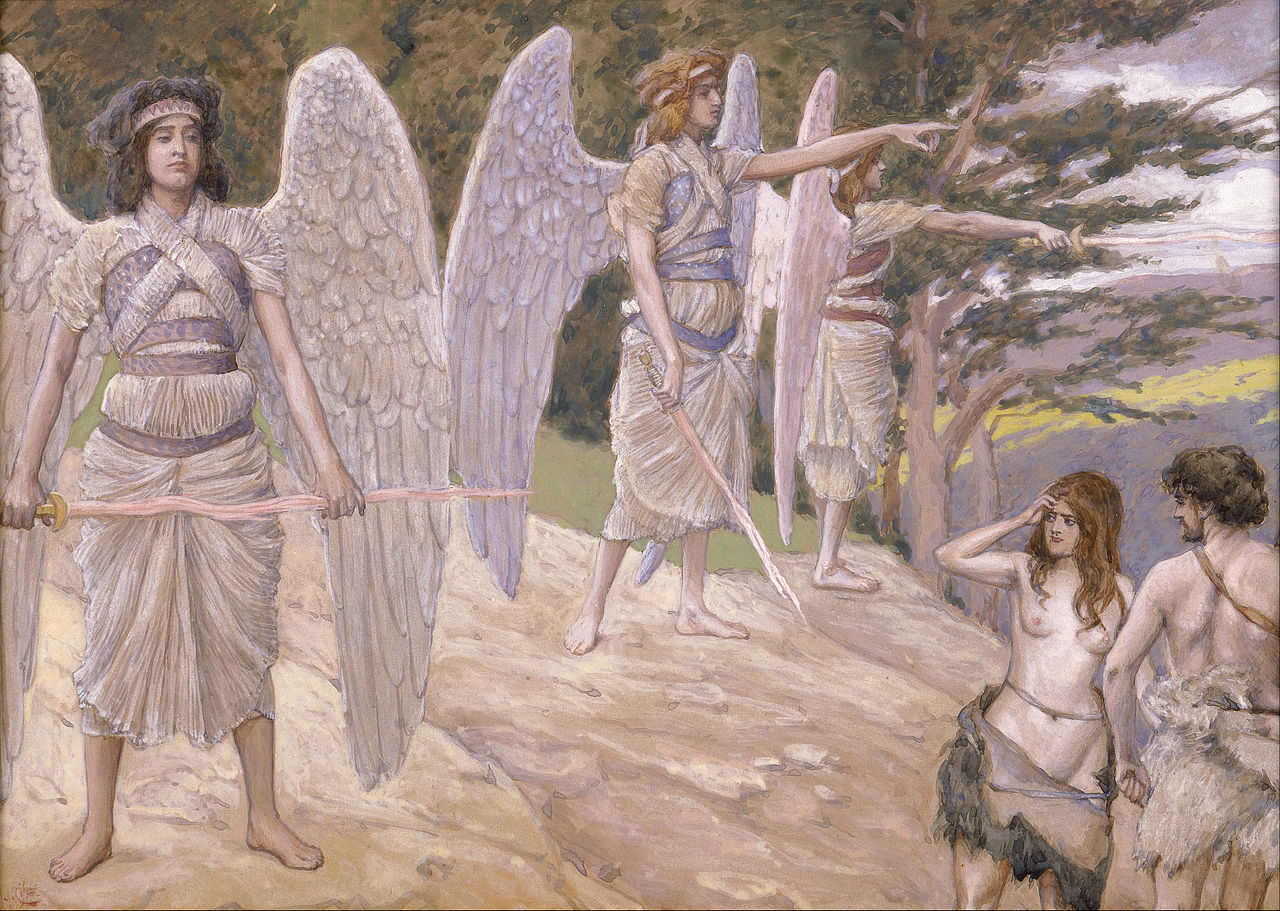
In the Genesis narrative the creator fashions a first man and first woman and places them in a garden designed for their sustenance. The pair are given instruction about which trees may be eaten from but are told to avoid the tree commonly called the tree of the knowledge of good and evil. A being described as a serpent persuades the woman to eat fruit from the forbidden tree and she shares it with the man. Afterward they become aware of nakedness, are challenged by God for disobedience and are expelled from the garden, which introduces toil, mortality and other consequences into the human condition.
Variations and interpretations
Religious traditions diverge in how they present and understand the story. Some Jewish and many secular readers view the account as a theological myth or an etiological tale explaining human experience rather than a literal report of events. In many Christian traditions the episode is linked to doctrines about sin, human nature and redemption, often summarized as the idea of "original sin" in certain branches. Islamic sources recount a similar sequence but emphasize different details about responsibility, repentance and guidance, and generally do not adopt the same doctrinal concept of inherited guilt.
Themes and theological significance
The Adam and Eve story raises enduring questions about free will, moral knowledge, human responsibility and the relationship between humans and the divine. Key themes include creation and image-bearing, the acquisition of moral discernment, temptation and deception, loss and exile, and the origins of mortality and labour. These themes have been examined in philosophical, theological and literary contexts and used to address human identity and ethics.
Cultural influence and examples
The figures of Adam and Eve have had a profound influence on art, literature and popular culture. They are frequent subjects in painting, sculpture and music from antiquity through the medieval and Renaissance periods into modern times. Writers such as John Milton have reworked the story for epic literature; artists have depicted the garden, the temptation and the expulsion; and the narrative has been invoked in moral debates, gender studies and discussions about human origins. The story also appears in educational and devotional materials across many languages and societies.
Distinctions and modern perspectives
Scholars and religious communities often distinguish between the historical reading of the narrative and its symbolic or allegorical meanings. Scientific accounts of human origins, including evolutionary biology, treat humanity’s beginnings in very different terms; many religious thinkers have sought ways to reconcile or reframe the scriptural account alongside scientific understandings. Contemporary interpretation also explores issues of power, gender, ecology and the ethics of storytelling.
Key motifs
- Creation: divine origin and human distinctiveness.
- Temptation: presence of an adversarial figure and moral choice.
- Knowledge: awareness of good and evil and its consequences.
- Exile: loss of an ideal state and entry into ordinary life.
- Legacy: influence on doctrine, art and cultural imagination.
For further reading see traditional scriptural sources and modern commentaries that explore the narrative in historical, theological and literary terms. The primary accounts and many translations and commentaries are widely available; readers may consult scholarly introductions for nuanced treatments of the text and its reception over time.
Related articles
Author
AlegsaOnline.com Adam and Eve — Origins, Narrative, and Cultural Influence Leandro Alegsa
URL: https://en.alegsaonline.com/art/853
Sources
- commons.wikimedia.org : Adam and Eve
- academia.edu : academia.edu
- biblicalstudies.org.uk : biblicalstudies.org.uk/pdf/ijt/07-2_056.pdf