
Adhan — the Islamic call to prayer
Adhan is the Muslim call to prayer proclaimed publicly to summon the faithful. It has set phrases, a traditional role for the muezzin, historical origins in early Islam, and minor variations across communities.
The adhan (also transliterated athān or azān) is the formal announcement used in Islam to notify believers that a prescribed prayer time has arrived. As a ritual vocalization it combines set phrases that declare core beliefs and invite worshippers to assemble. The recitation is typically performed by a muezzin and is closely associated with the mosque; it functions both as a practical time signal and as an audible symbol of Muslim communal life. For a concise general reference, see call to prayer overview and a basic introduction to the adhan itself at what is the adhan.
Image gallery
5 Images

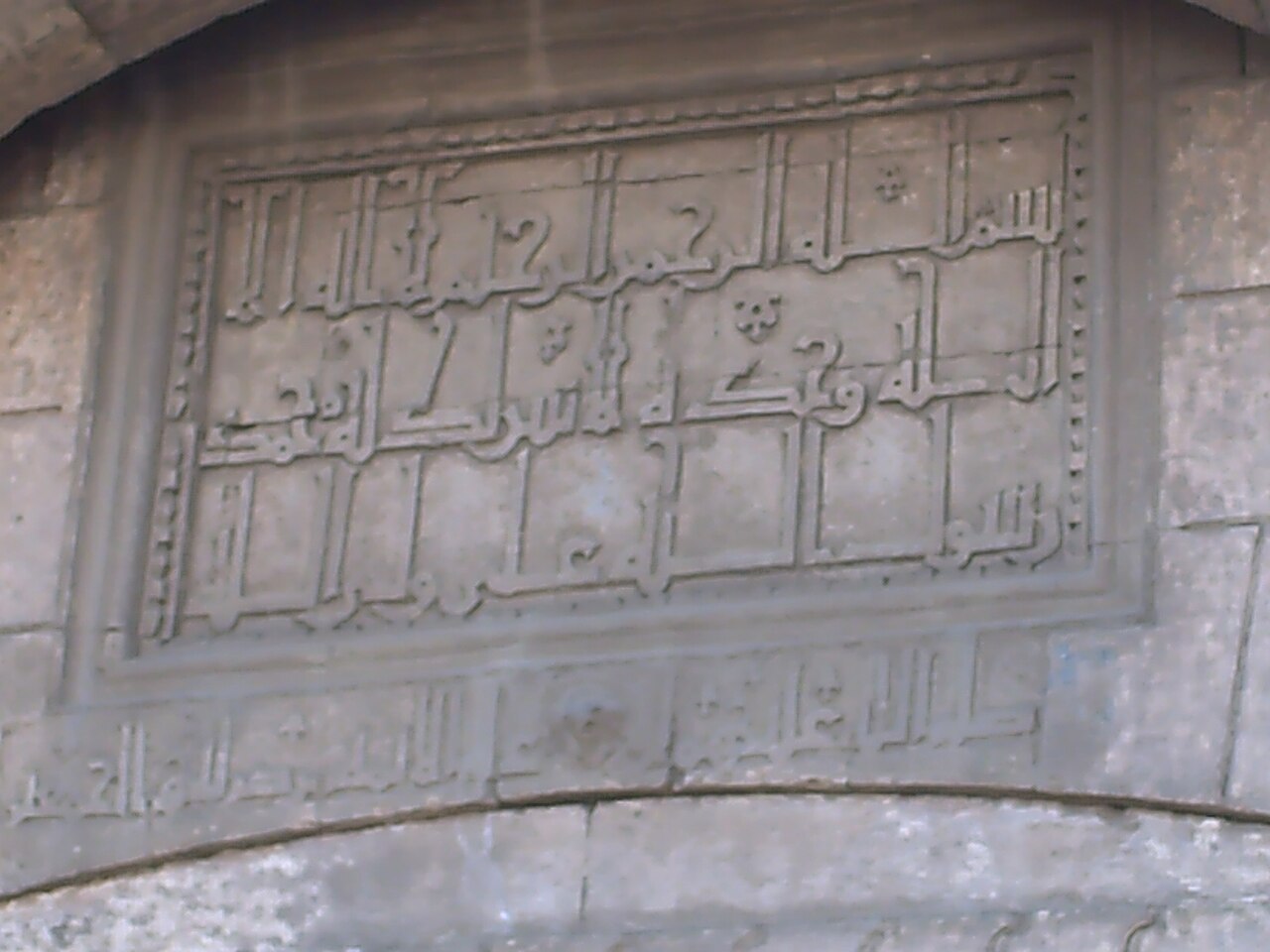


Form and standard phrases
The adhan consists of a series of repeated phrases pronounced in Arabic. Common elements include declarations that God is greatest (Allahu Akbar), the testimony of faith (ashhadu an la ilaha illa Allah and ashhadu anna Muhammadan rasul Allah), and invitations to prayer and success (hayya 'ala al-salah, hayya 'ala al-falah). In the pre-dawn (fajr) adhan an additional line praising the superiority of prayer over sleep is often included. A shorter second call called the iqama is given moments before the congregational prayer begins to signal worshippers to form the rows.
Role of the muezzin and architectural setting
The person who performs the adhan is known as the muezzin. Traditionally the muezzin called from a high place such as a minaret to make the voice audible over the surrounding neighborhood; many mosques still feature minarets that reflect this purpose. Modern practice frequently supplements or replaces the natural voice with electronic amplification. For background on the muezzin role see muezzin, and for information about the mosque as the setting for adhan, see mosque and the architectural use of the minaret. Amplification systems and loudspeakers are widely used today and are discussed in technical and civic contexts at public sound systems.
History and origin
Historical tradition traces the establishment of the adhan to the early Muslim community in Medina during the time of the Prophet Muhammad. Classical accounts identify Bilal ibn Rabah as the first muezzin, chosen for his voice and devotion. Over the centuries the adhan became both a ritualized liturgical text and a public marker of Islamic identity in towns and cities across the Muslim world.
Variations and notable distinctions
- Different Muslim communities use slightly different versions: Sunni and Shia rites have minor textual differences; for example, some Shia communities include an additional phrase that honors the Prophet’s cousin and son-in-law. Readers can consult comparative summaries at adhan variations and denominational notes at sectarian practice.
- Regional styles and melodic patterns vary widely. The tune, length, and delivery reflect local language, musical tradition, and mosque practice.
- Legal and civic questions sometimes arise where amplified adhan interacts with local noise regulations; these issues are the subject of public debate and municipal rules summarized at sound policy resources.
Function and cultural importance
Beyond its immediate practical purpose of indicating prayer times, the adhan serves as an audible expression of faith and community cohesion. It marks daily life in many Muslim-majority places and has been incorporated into literature, music, and public ritual. In addition to the canonical five daily calls, the adhan is used for special prayers and occasions, and the iqama prepares the congregation for the formal start of the service.
For further reading and institutional perspectives, see introductions to the adhan and its performance practice at mosque resources, accounts of the muezzin’s historical role at muezzin history, and comparative notes on variants at minaret and regional forms.
Related articles
Author
AlegsaOnline.com Adhan — the Islamic call to prayer Leandro Alegsa
URL: https://en.alegsaonline.com/art/976