
Afro-Brazilian religions
Religious traditions in Brazil derived from West and Central African beliefs, shaped by slavery, syncretism with Catholicism and Indigenous influences; includes Candomblé, Umbanda, Quimbanda and related practices.
Overview
Afro-Brazilian religions are a group of distinct faiths and practices in Brazil that trace their roots to West and Central African spiritual systems brought by enslaved Africans. These traditions survived and adapted through communal worship in terreiros (houses of worship), producing a variety of regional expressions united by emphasis on ancestral spirits, ritual music, dance and offerings.
Image gallery
3 Images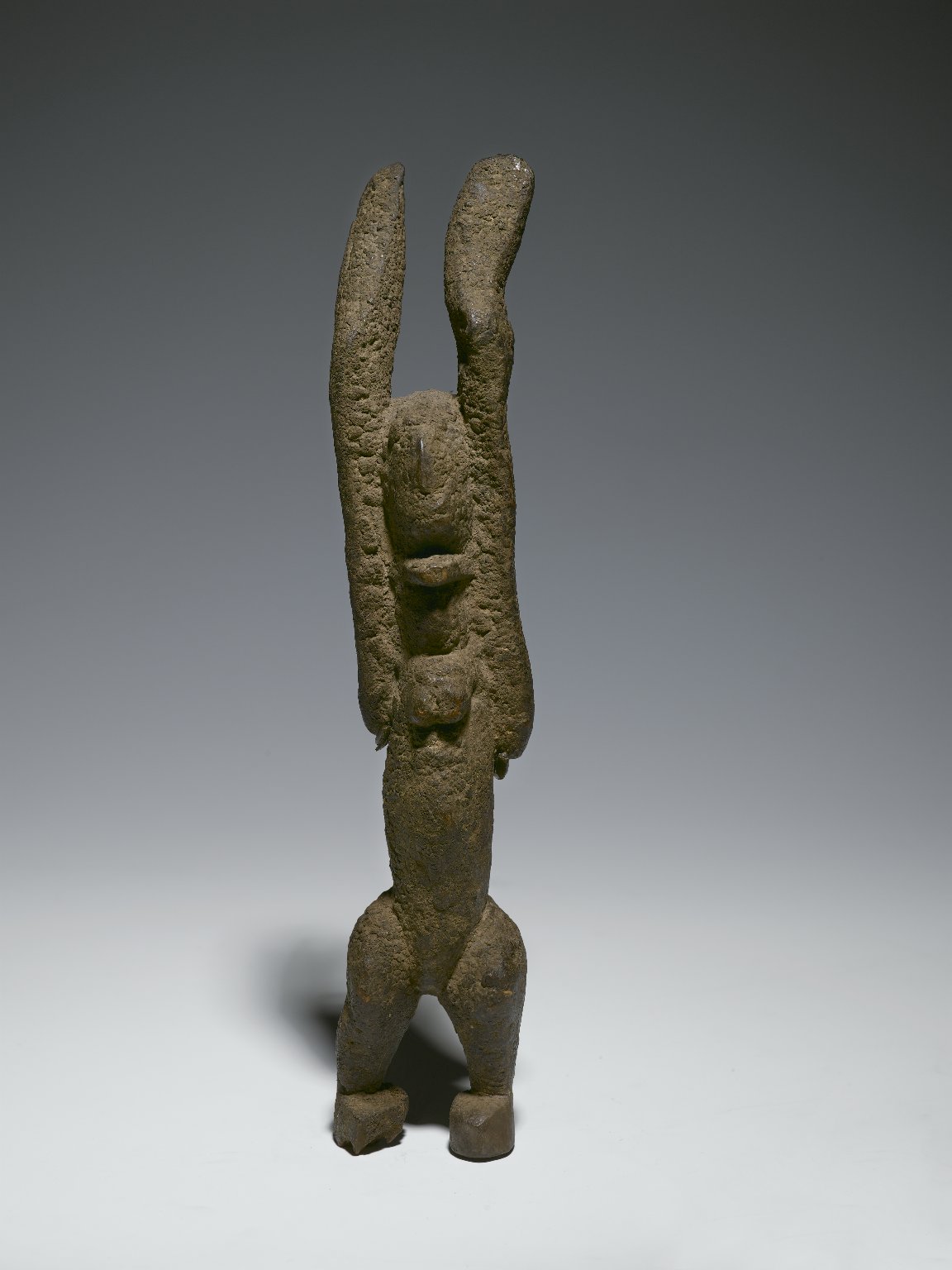


History and development
During the centuries of the transatlantic slave trade, enslaved peoples kept religious knowledge alive despite repression. In Brazil, African traditions mixed with Roman Catholic rites, Indigenous beliefs and later Spiritist ideas, creating syncretic forms. Over time practitioners organized terreiros, developed priesthoods and codified liturgies while facing periods of marginalization and legal restrictions.
Common characteristics and ritual life
Many Afro-Brazilian religions share features such as veneration of deities and ancestors, rhythmic drumming, ritual dancing, spirit possession, offerings of food or objects, and an initiated clergy (often called pai/mãe de santo or babalorixá/ialorixá). Liturgical languages and song repertoires preserve African names and phrases drawn from Yoruba, Bantu and Fon traditions. Rituals mark life events, healings and community festivals.
Major traditions
- Candomblé — centers on orixás (deities) and has strong Yoruba, Jeje and Bantu lineages.
- Umbanda — a syncretic religion combining African elements with Catholicism and Spiritism, often emphasizing mediumship and charitable work.
- Quimbanda and related practices — historically distinct currents with different spirit hierarchies and public reputations; terminology can vary regionally.
Contemporary significance and issues
Afro-Brazilian religions contribute substantially to Brazilian culture—music, dance, gastronomy and festivals reflect their influence. They also function as repositories of ancestral knowledge and social solidarity. Practitioners continue to confront prejudice and occasionally hostility, while terreiros engage in legal, cultural and educational efforts to preserve traditions. For further general resources see related materials.
Despite diversity among groups, these religions share a focus on community, the sacredness of embodied ritual expression, and the continuity of African-derived spiritual worldviews within Brazil's plural religious landscape.
Tags
Related articles
Author
AlegsaOnline.com Afro-Brazilian religions Leandro Alegsa
URL: https://en.alegsaonline.com/art/1294