
Sai Baba of Shirdi: life, teachings, and legacy
Overview of Sai Baba of Shirdi (d. 1918): his uncertain origins, simple lifestyle in Shirdi, core teachings of unity and service, the shrine at Shirdi, and his enduring interfaith following.

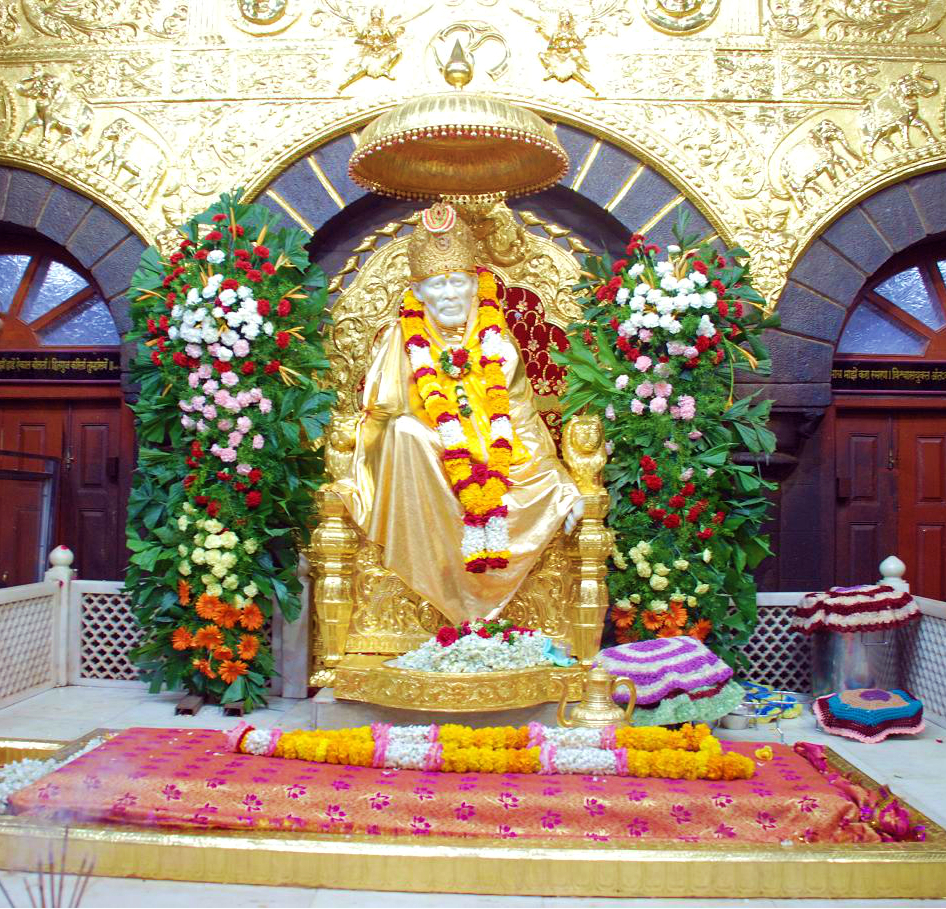
Sai Baba of Shirdi is remembered as a devotional figure who lived in the late 19th and early 20th centuries and died on October 15, 1918. Descriptions of him vary: many devotees call him a spiritual master, a saint or a satguru. His exact birth and early life are uncertain; what is best documented is the long period he spent in the village of Shirdi in central India, where he lived a life of simple living and open teaching.
Image gallery
10 Images



Life and background
Sai Baba arrived in Shirdi as a young man and remained there for decades. He occupied a dilapidated mosque and later a small dwelling where he taught through words and example. He did not align himself exclusively with one religion: his conduct, dress and sayings drew from both Hindu and Muslim traditions. Devotees sometimes interpret him as an incarnation of divine figures such as Lord Krishna or Dattatreya, though accounts vary and such identifications are devotional rather than historical claims.
Teachings and practices
Sai Baba emphasized practical spiritual values rather than doctrinal debate. His principal themes included compassion, self-discipline, charity, faith and patience. He is often quoted for the motto "Shraddha" (faith) and "Saburi" (patience). His way of teaching combined short parables, personal counsel, and acts of service—feeding the poor, tending the sick, and encouraging moral conduct.
Rituals, symbols and community life
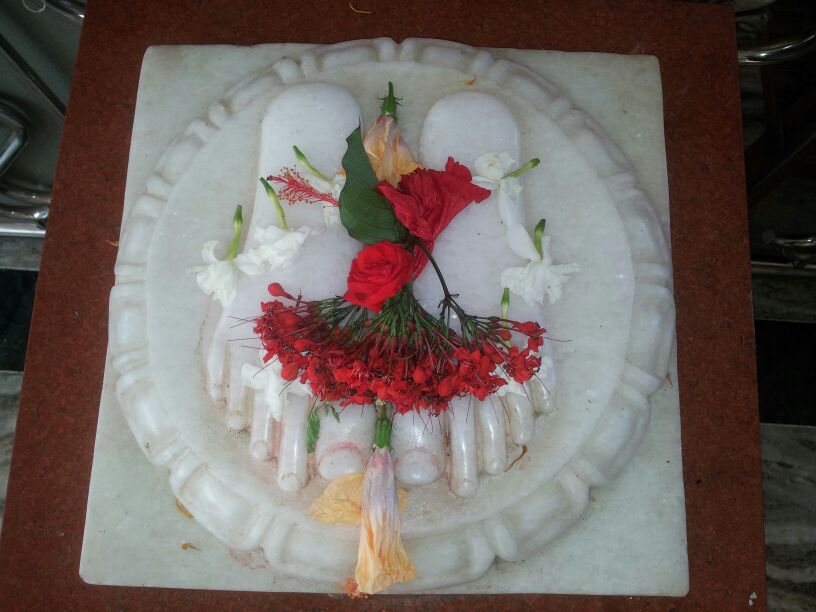
Although not prescribing a single ritual system, Sai Baba incorporated symbols and practices familiar to both Hindu and Muslim followers. Common practices among devotees include prayer, distribution of food, communal singing of devotional songs, and preservation of his simple belongings. These practices helped build a mixed community of believers drawn from different faith backgrounds.
Shrine at Shirdi and pilgrimage
The small town of Shirdi became a major pilgrimage site. The principal shrine honors Sai Baba and attracts millions of visitors annually who come to offer prayers, receive blessings and participate in festivals. Many temples and centers across India and abroad are dedicated to his memory. The shrine in Shirdi remains a focal point of religious tourism and devotion.
Interfaith significance and following
Sai Baba is notable for an inclusive following: he commands respect among Hindus and Muslims alike, as well as seekers from other religions. His example of transcending sectarian boundaries is often cited in discussions of Indian religious pluralism. Many books, hymns and biographical accounts recount his sayings and the miracles attributed to him, forming the basis of ongoing devotion.
Legacy and distinctions
- Enduring devotional movement with temples and centers worldwide.
- Emphasis on practical ethics over theological controversy.
- Celebrated as a unifying spiritual figure whose life inspires social service.
Sai Baba of Shirdi continues to be a prominent example of a teacher whose appeal crosses religious lines. Although some aspects of his life remain debated or legendary, his influence on popular devotion, charitable activity and interfaith respect is widely acknowledged.
Further reading and resources are available for those who wish to learn more: context on India, historical survey pages and collections of his sayings and stories at various devotional archives and research sites (teachers, saints, satgurus). For community and pilgrimage information see local shrine guides and official centers (devotional interpretations, Krishna links, Dattatreya links, Hindu perspectives, Muslim perspectives, temple resources).
Related articles
Author
AlegsaOnline.com Sai Baba of Shirdi: life, teachings, and legacy Leandro Alegsa
URL: https://en.alegsaonline.com/art/85284
Sources
- saibaba.org : "Sai Satcharitra in English"
- wikidata.org : wikidata.org/wiki/Q260440
- catalogue.bnf.fr : cb14450861v
- data.bnf.fr : (data)
- d-nb.info : 119151014
- isni.org : 0000 0001 1070 3664
- id.loc.gov : n83148927
- id.ndl.go.jp : 00621501
- aleph.nkp.cz : xx0146931
- data.bibliotheken.nl : 073988332
- idref.fr : 071205152
- viaf.org : 72197699
- worldcat.org : lccn-n83148927