
Saint Cecilia: Patroness of Musicians and Early Christian Martyr
Saint Cecilia, celebrated on November 22, is revered as the patroness of musicians. Her story blends early Christian hagiography, a Roman burial site, artistic depiction with musical symbols, and a long musical legacy.
Overview
Saint Cecilia is one of the best-known early Christian martyrs and has been venerated since late antiquity as the patroness of musicians. Her feast is observed on November 22 in the Latin Catholic, Eastern Catholic and Eastern Orthodox churches, and in the Anglican Communion. She is also one of the seven women, apart from the Blessed Virgin Mary, whose names are mentioned in the Roman Canon of the Mass.
Image gallery
10 Images




Legend and historicity
Traditional accounts describe Cecilia as a young Roman noblewoman who, at her wedding, "sang in her heart to the Lord," refusing to abandon her Christian vows despite pressure to marry. Hagiographical narratives recount that she endured attempts to force her to abandon the faith and that she died a martyr’s death. While the details in these later stories—found in early medieval Acts and legends—are treated as legendary or symbolic by scholars, the existence of an early cult and the long-standing veneration of a martyr named Cecilia in Rome are generally accepted as historically grounded.
Patronage and cultural legacy
Cecilia’s association with music likely stems from the episode of singing at her wedding and from medieval and Renaissance devotion that linked saints’ stories with artistic expression. Over centuries she became the patron saint of musicians and church music; many composers, choirs and musical societies have dedicated works or concerts to her memory. Her feast day has often provided an occasion for musical performances, oratorios, and commemorative concerts across Europe and beyond. Institutions that celebrate her sometimes style themselves explicitly around her role as protector of musical life; she is popularly invoked as the patroness of musicians.
Iconography, symbols and relics
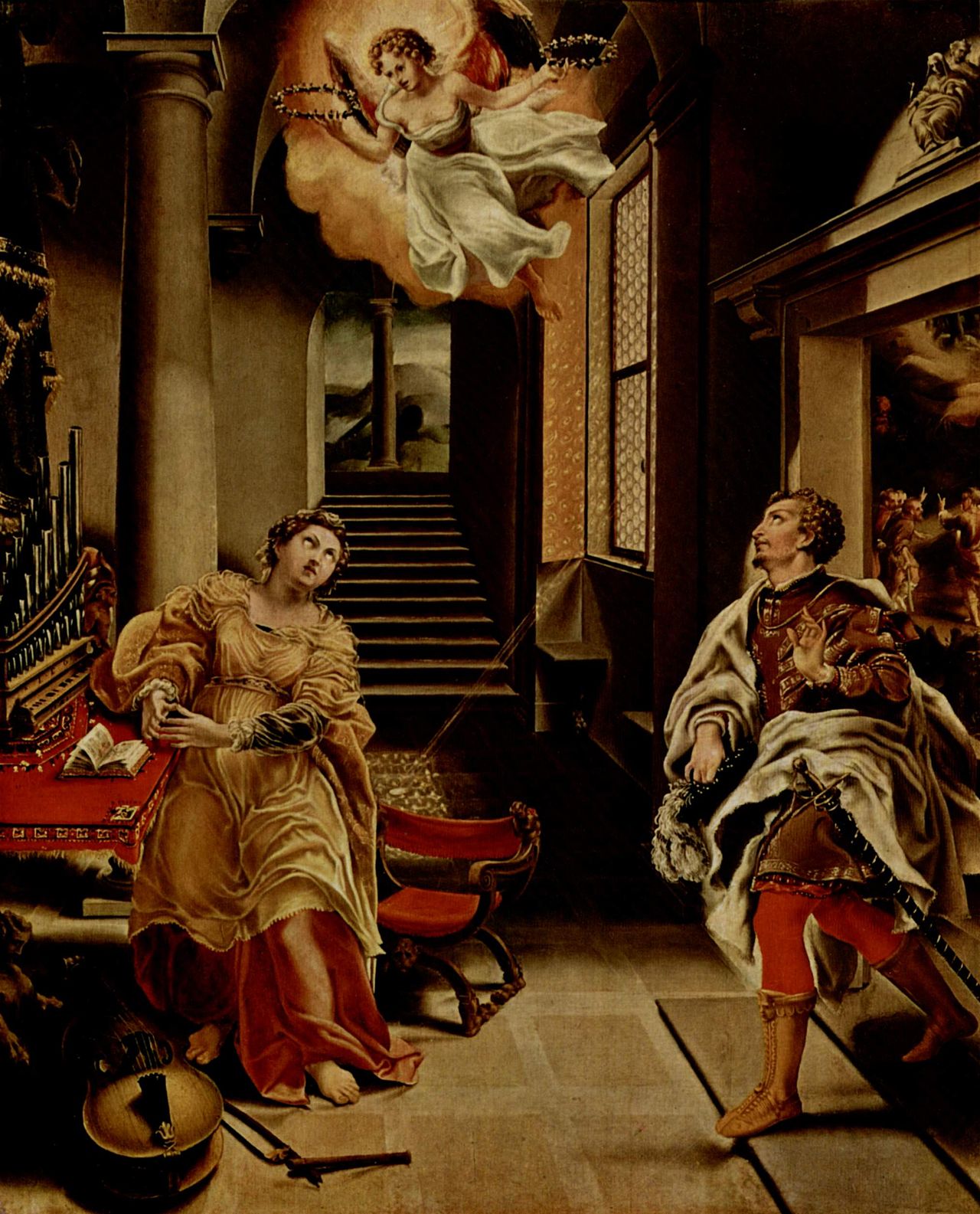
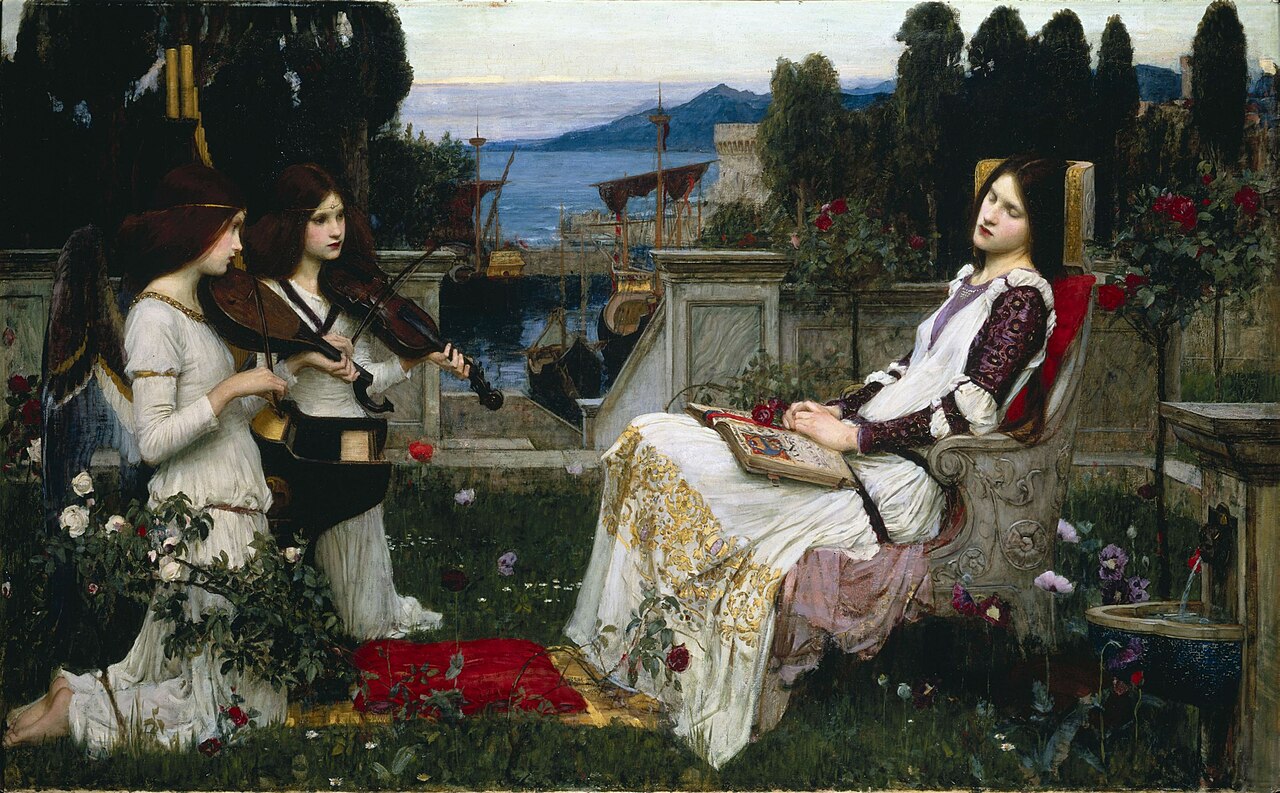
In Christian art Cecilia is commonly shown with musical instruments—most often an organ or a small choir of angels—reflecting her patronage. She also appears with traditional martyr attributes such as a palm branch or a crown. Her burial and the cult around her center on a Roman church named for her in the Trastevere district, reputedly founded on the site of her house. Relics attributed to Cecilia have been enshrined and displayed there, and the church has long attracted pilgrims and artistic commissions.
Feast day, celebrations and notable facts
Her feast on November 22 has been incorporated into liturgical calendars of several Christian traditions and has inspired secular and sacred commemorations. Music festivals, liturgical concerts, and special musical commissions are common on or near this date. Historically, her name entered liturgy and art early enough that she became a fixed figure of devotion in medieval Rome and later European religious culture.
Summary
Saint Cecilia stands at the intersection of early Christian martyr cults and the cultural history of music. Although many narrative details of her life are legendary, the longstanding devotion, artistic portrayals, dedication of a major Roman church, and her continued role as a symbol for musicians secure her place in religious and cultural history. Modern observances blend liturgical remembrance with musical celebration, keeping her memory alive for worshippers and artists alike.
Related articles
Author
AlegsaOnline.com Saint Cecilia: Patroness of Musicians and Early Christian Martyr Leandro Alegsa
URL: https://en.alegsaonline.com/art/85449
Sources
- books.google.com : The Life Of St. Cecilia
- en.wikisource.org : "Cecilia, Saint"