
Salat al‑Janazah: the Islamic funeral prayer
Salat al‑Janazah is the communal Islamic funeral prayer offered for a deceased Muslim before burial. This article explains its purpose, general structure, variations across schools, and its social and spiritual significance.
Overview
Salat al‑Janazah (صلاة الجنازة) is the prayer performed by Muslims for someone who has died. It is offered for the forgiveness and mercy of the deceased and for consolation of the bereaved. The rite typically takes place after the body has been shrouded and before burial, although timing and local practice can vary. In many communities the prayer is considered a communal duty (fard kifaya): if a sufficient number of people perform it, the obligation for the rest of the community is lifted.
Image gallery
3 Images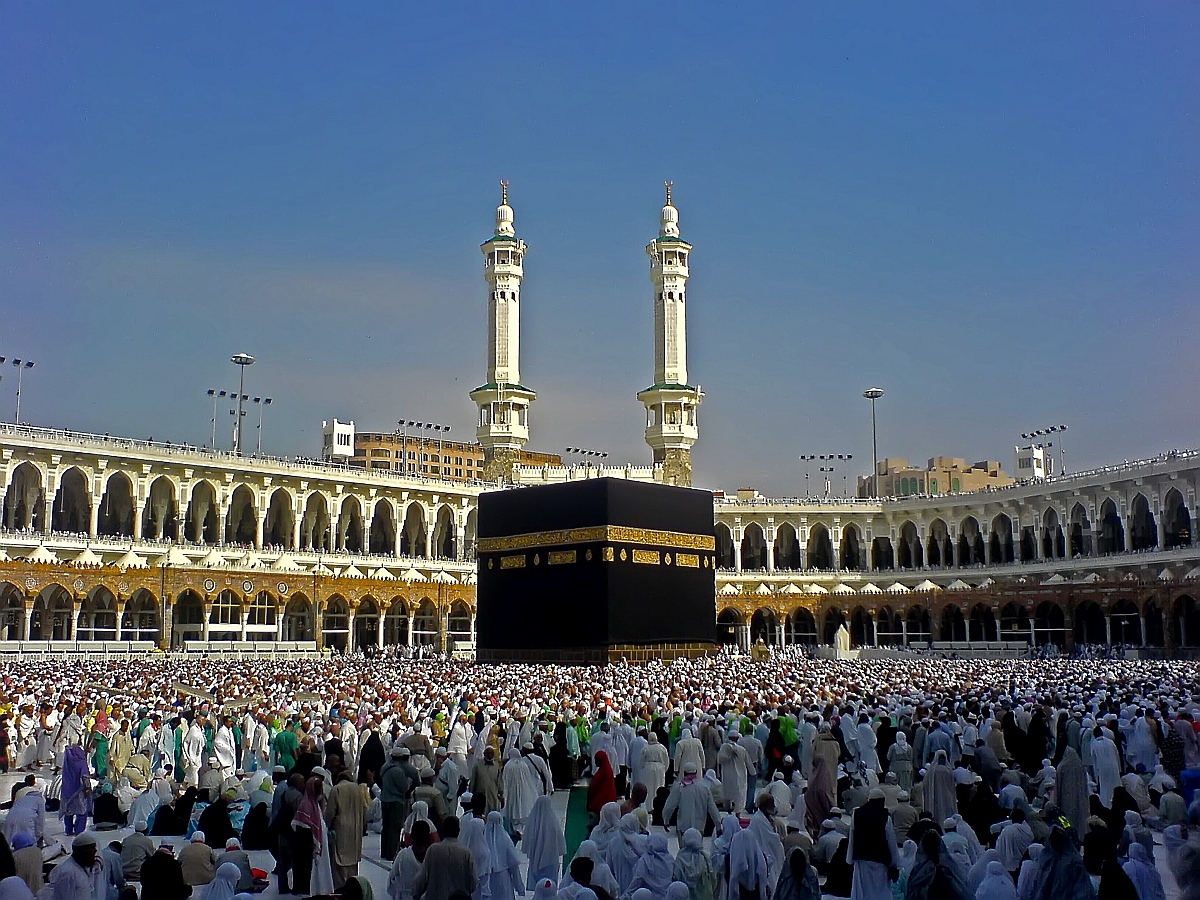


Structure and common elements
The funeral prayer differs from the regular five daily prayers because it is normally performed standing without the bowing (ruku) and prostration (sujud). Across the main Sunni schools a common pattern includes a sequence of takbirs (saying "Allahu Akbar"), a period of quiet supplication, and invoking blessings on the Prophet. Typical elements include:
- Intention (niyyah) to pray for the deceased.
- A series of takbirs, with short recitations or silent remembrances between them.
- Sending blessings (salawat) upon the Prophet.
- Supplications asking God to forgive and grant mercy to the deceased and to all who have died.
- Conclusion with salutations (taslim) to end the prayer.
Variations between communities
Practices differ by jurisprudential school and by cultural custom. For example, the number of takbirs and the exact phrases used in the supplications vary: many Sunnis use four takbirs, while other traditions may use fewer or structure the prayer differently. Some communities include a recitation of Surah al‑Fatiha or other Qur'anic passages; others keep the prayer largely verbal and concise. Shia communities have their own prescribed formulations and sequences. These differences reflect legal interpretation and historical development rather than substantive dispute about the prayer's purpose.
Etiquette, role and significance
Salat al‑Janazah serves spiritual, social, and communal functions. Spiritually, it is an appeal for pardon and mercy for the deceased. Socially, it expresses solidarity with the bereaved and provides an opportunity for public mourning within prescribed limits. Common etiquette includes maintaining quiet dignity, avoiding loud lamentation during the prayer, and participating in humility and focus. The rite is often preceded by washing (ghusl) and shrouding (kafan) of the body, which are separate preparatory rituals.
History and origin
The funeral prayer traces back to the practices of the Prophet Muhammad and his companions in early Islamic communities, where communal rites for the dead helped organize social care and religious obligations. Over time, legal scholars codified procedures and variations, producing the range of practices seen today. The prayer remains one of the most frequently observed communal acts in Muslim societies.
Notable facts and related topics
- Because it is a communal obligation, Salat al‑Janazah emphasizes collective responsibility for the dead.
- Women and men may attend the funeral prayer; customs about presence at the burial site vary by community.
- Practical questions and local guidance are often addressed through mosque authorities or community leaders; see further guidance at funeral rites and general guidance pages such as prayer practice.
- Comparative treatments and jurisprudential differences are discussed in many introductions to Islamic law and ritual resources.
The prayer’s core purpose—asking mercy for the deceased and honoring them as part of the community—remains constant, even as expressions and minor procedures vary across regions and schools of thought.
Related articles
Author
AlegsaOnline.com Salat al‑Janazah: the Islamic funeral prayer Leandro Alegsa
URL: https://en.alegsaonline.com/art/86408