
Dharma (Dhamma): principle of duty, law, and right conduct
Dharma (or dhamma) is a foundational concept in several Indian religions and spiritual traditions, referring broadly to duty, moral order, teachings, and the right way of living.
Dharma (Pāli: dhamma) is a central idea across several religious and philosophical traditions that originated in the Indian subcontinent. It is variously translated as law, duty, righteousness, teaching, or the underlying order of reality. Many faiths and systems of thought refer to this concept; see broader contexts such as religions and spiritual beliefs that developed in India.
Image gallery
9 Images
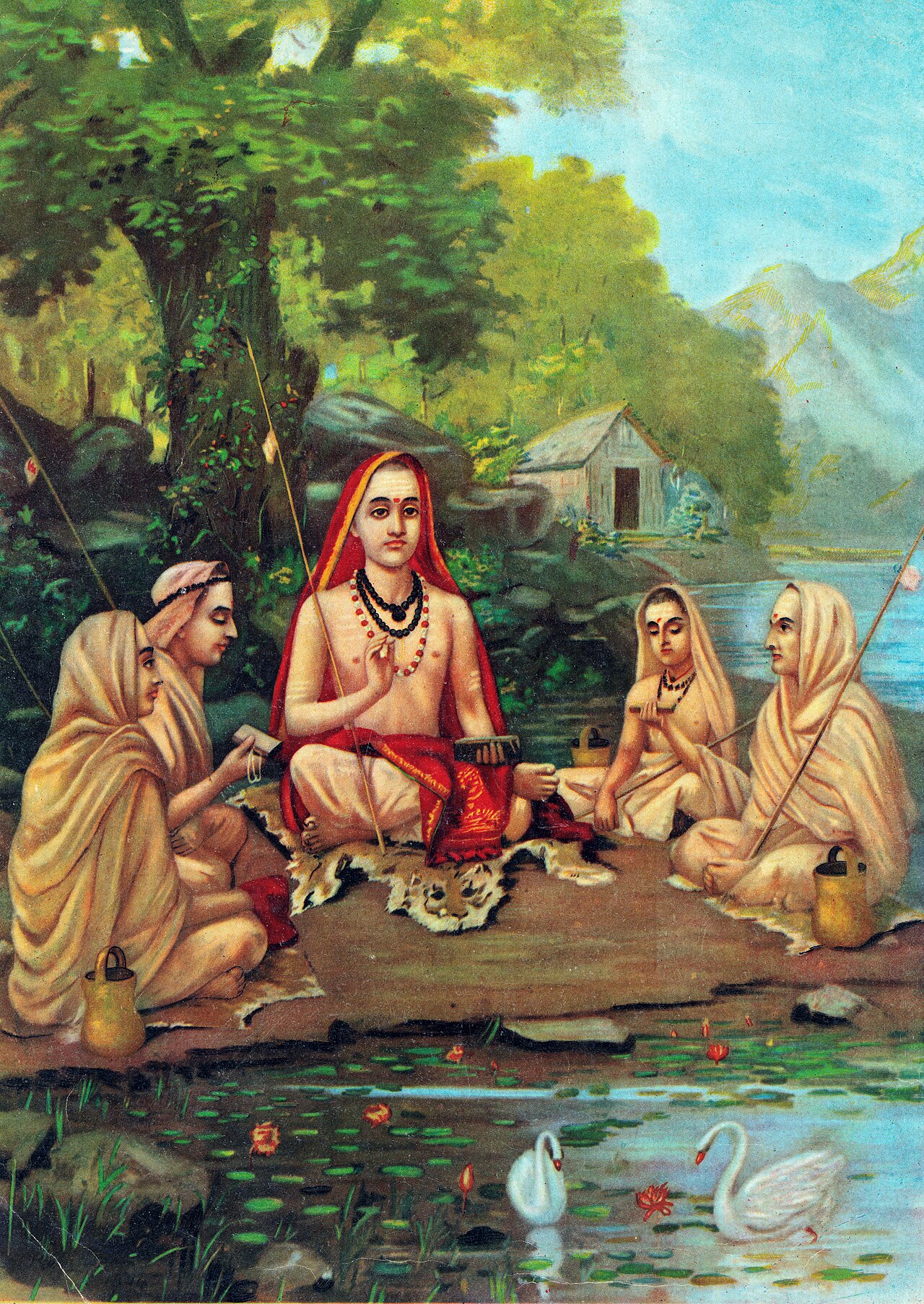



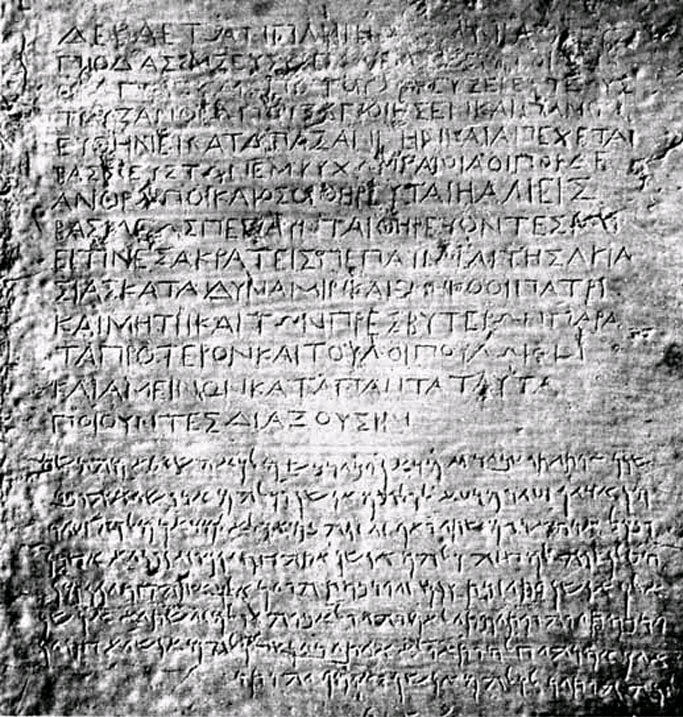



Meanings in different traditions
- Hinduism: Dharma often means social and cosmic duty, ethical conduct, and the obligations arising from one's position and stage of life.
- Buddhism: Dhamma refers both to the Buddha’s teachings and to phenomena or truth; it guides practice toward liberation from suffering.
- Jainism: Emphasizes right conduct, nonviolence, and practices that free the soul from karmic binding.
- Sikhism: Stresses living truthfully, serving others, and upholding justice as expressions of righteous living.
- Ayyavazhi: Uses the term in regional devotional and reform contexts emphasizing moral order and spiritual discipline.
Origins and development
The term has ancient roots in Sanskrit and appears across early religious texts and commentaries. Over centuries it evolved from notions of social duty and ritual correctness to broader ethical and metaphysical meanings. Different schools interpreted dharma as cosmic law, social obligation, or an individual’s moral path.
Practical roles and examples
Dharma functions on several levels: as communal norms (laws, customs), personal ethics (honesty, compassion), and spiritual instruction (scriptures and teachings). Examples include the idea of following one’s own duty (sometimes called svadharma), adhering to moral precepts, and using religious teachings to guide daily life. It is often discussed alongside related concepts such as karma and moksha.
Distinctions and notable points
Dharma is not identical to the modern Western notion of "religion"; rather, it spans law, ethics, practice, and metaphysical order. Its interpretation varies by tradition, historical period, and social context. For further reading on comparative approaches and contemporary interpretations, consult sources linked to scholarly and religious overviews: overview, comparative studies, and texts associated with particular traditions such as Hindu or Buddhist scripture.
Questions and answers
Q: What is Dharma?
A: Dharma is a belief or concept that is an integral part of many religions or spiritual beliefs that originated in India. It is the law of spiritual growth of believers.
Q: What are the religions that believe in the concept of Dharma?
A: Hinduism, Buddhism, Ayyavazhi, Jainism, and Sikhism believe in the idea of Dharma.
Q: What does the concept of Dharma mean?
A: The concept of Dharma means the law of spiritual growth for believers.
Q: Is Dharma exclusively related to any particular religion?
A: No, Dharma is not exclusively related to any particular religion but is a concept that is present in several spiritual beliefs and religions.
Q: Can the law of Dharma be followed independently of religion?
A: Yes, one can potentially follow the law of Dharma independently of religion as it is a concept that emphasizes spiritual growth.
Q: What role does Dharma play in spiritual beliefs?
A: Dharma plays a vital role in many spiritual beliefs as it is a law that guides the believers towards spiritual growth.
Q: What are some examples of how Dharma is practiced in spiritual beliefs?
A: In Hinduism, Dharma refers to one's duty towards oneself and society. In Buddhism, Dharma refers to the teachings of Buddha. In Sikhism, Dharma refers to the path of righteousness. In Jainism, Dharma emphasizes non-violence and compassion towards all living beings.
Related articles
Author
AlegsaOnline.com Dharma (Dhamma): principle of duty, law, and right conduct Leandro Alegsa
URL: https://en.alegsaonline.com/art/27040