
Yogi: practitioner of Yoga and contemplative disciplines
A yogi is someone committed to the discipline of Yoga—historically an Indian spiritual practitioner who cultivates discipline, meditation, and self-transcendence; usage ranges from ascetics to modern teachers.
The term yogi originally refers to a person who follows the path of Yoga, aiming to steady the mind and transcend ordinary identification with the lower self. In classical Indian usage the word derives from a Sanskrit root; the feminine form is yogini. Contemporary English sometimes uses the variant yogin as an alternative spelling. While traditional contexts often imagine a yogi as an advanced or dedicated practitioner, in modern speech the label is applied broadly to meditators, asana practitioners, and teachers.
Image gallery
5 Images
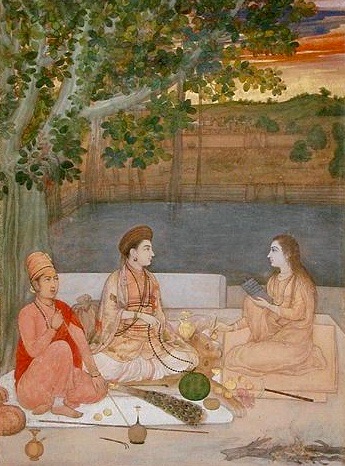


Characteristics and practices
A yogi is commonly associated with a number of disciplines and ethical commitments intended to support concentration, insight, and liberation. Central practices include breath regulation (pranayama), seated meditation, study or contemplation of scripture, moral observances, and sometimes mastery of physical postures (asana). The goal varies by tradition—from bodily purification and energetic awakening to sustained contemplative absorption (samadhi) and ethical transformation.
- Core disciplines: meditation, pranayama, and ethical restraints.
- Occasional practices: mantra, visualization, and ritual.
- Physical aspects: asanas and cleansing techniques found in Hatha systems.
Historical and textual context
Classical Indian sources discuss the yogi in several ways. Some Upanishadic and tantric texts present a yogi as one who has realized an inner unity of microcosm and macrocosm. For example, certain medieval manuals of Hatha and Tantra describe stages of energetic practice—working with channels like the sushumna and processes sometimes called kundalini awakening. The Shiva-Samhita and other traditional works offer technical and symbolic descriptions of advanced practice, and some Upanishads distinguish different kinds of yogins according to their methods and attainments.
Beyond Hindu literature, the term can be extended in South Asian contexts to contemplatives in other traditions. Theravada and Mahayana communities sometimes use similar labels for meditation specialists, and in popular usage a devoted Buddhist monk or a lay practitioner may be called a yogi. This broader application reflects overlap in meditative aims and techniques across traditions.
Types, roles, and modern usage
There is no single model of a yogi. Historically, some were wandering renunciants or ascetics committed to solitary practice; others were householders who integrated discipline into family life. In tantric lineages a yogi might be a siddha—one reputed to have achieved specific powers—while in philosophical systems a yogi is primarily a seeker of liberation. In the contemporary global scene the word is often used for yoga teachers, committed studio practitioners, and public figures who promote a yogic lifestyle.
- Ascetic or renunciate yogi—focus on withdrawal and austerity.
- Householder yogi—balances practice with everyday duties.
- Teacher or guru—transmits methods and supports students.
For readers seeking further definitions and linguistic background, the Sanskrit form of the word and its usage across texts are discussed in traditional lexicons and commentaries (Sanskrit term). For modern interpretations and comparative accounts of contemplative practice see resources on meditation and cross-traditional studies of contemplative life. Short introductions to the concept appear in general overviews of Buddhist and Hindu contemplative practices as well as in modern yoga literature.
Questions and answers
Q: What is a yogi?
A: A yogi is a male practitioner of various forms of the path of Yoga who maintains a steadfast mind in the process of transcending the lower self.
Q: Who are these designations mostly reserved for?
A: These designations are mostly reserved for advanced or daily practitioners.
Q: How is the word yogin used in contemporary English?
A: In contemporary English, yogin is an alternative rendering for the word yogi and is often used to describe Buddhist monks or any lay person or householder who is devoted to meditation.
Q: How does the Shiva-Samhita text define a yogi?
A: The Shiva-Samhita text defines a yogi as someone who knows that the entire cosmos is situated within his own body.
Q: How does the Yoga-Shikha-Upanishad distinguish two kinds of yogins?
A: The Yoga-Shikha-Upanishad distinguishes two kinds of yogins: those who pierce through the "sun" (surya) by means of the various yogic techniques and those who access the door of the central conduit (sushumna-nadi) and drink the nectar.
Q: What is the feminine form of the Sanskrit term yogi?
A: The feminine form of the Sanskrit term yogi is yogini.
Q: Who practices the path of Yoga?
A: The path of Yoga is practiced by male practitioners called yogis and female practitioners called yoginis.
Related articles
Author
AlegsaOnline.com Yogi: practitioner of Yoga and contemplative disciplines Leandro Alegsa
URL: https://en.alegsaonline.com/art/109891