
Sacred dance: forms, functions and cultural significance
Sacred dance refers to movement traditions performed within religious or spiritual contexts. It spans ritual practices, devotional techniques and classical forms found across world cultures.
Sacred dance is any form of bodily movement practiced primarily within a religious, spiritual or ritual framework rather than for entertainment alone. Though styles and meanings vary widely, these dances commonly aim to express devotion, enact myth, mark life-cycle events or facilitate altered states of consciousness. They can be improvised or carefully choreographed, solitary or communal, and are shaped by music, costume and sacred space.
Image gallery
9 Images


Characteristics and components
Typical elements of sacred dance include repetitive or symbolically meaningful gestures, specific footwork or spatial patterns, and a relationship to time kept by song, drum or chant. Costuming, props and directionality (for example clockwise movement around an altar) often carry symbolic weight. Some practices emphasize altered states—trance, ecstatic movement or deep meditative focus—while others prioritize narrative clarity and technical virtuosity.
History and development
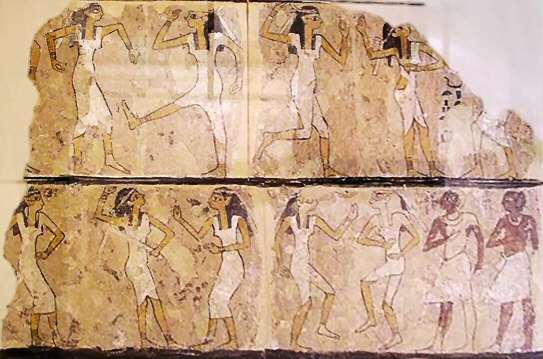
Human communities have used dance in ritual contexts since antiquity; archaeological and anthropological evidence indicates that movement played a role in prehistoric rites. Over time ritual dances developed into formalized styles within temples, monasteries and courts and also remained part of popular communal observance. Elements of older ritual practice survive in many classical theatre and temple-dance traditions.
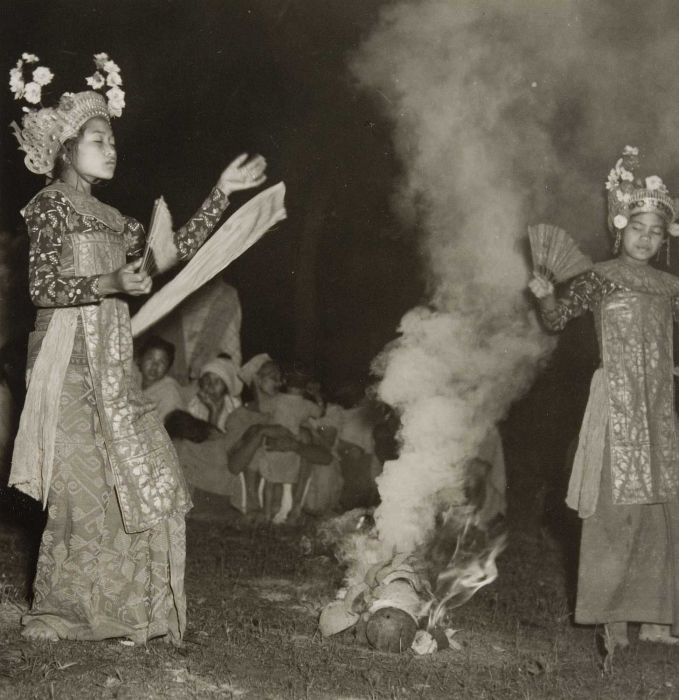
Examples are diverse: Sufi whirling is a meditative revolving practice associated with some Islamic mystical orders; Indian classical dances such as Bharatanatyam preserve elements once linked to temple worship; Balinese temple dances enact myths tied to Hindu ritual life; various Indigenous North American dances function in ceremony and social cohesion; Hasidic Jews often perform circle dances at celebrations; and some Christian communities practise liturgical dance during worship.
Functions, distinctions and contemporary issues
- Primary functions: worship, storytelling, rites of passage, healing and community bonding.
- Distinction: sacred dance differs from secular performance when the primary intent is ritual rather than spectacle, though the two can overlap.
- Contemporary debates: preservation versus innovation, the line between respectful sharing and cultural appropriation, and the role of performance venues for ritual forms.
Learning sacred dance often requires guidance from tradition-bearers, attention to liturgical context and respect for communal protocols. For readers who want further introductions or resources, consult further resources provided by organizations and cultural centers. Approaching sacred dances with cultural sensitivity helps maintain their spiritual meaning while allowing thoughtful study and practice.
Related articles
Author
AlegsaOnline.com Sacred dance: forms, functions and cultural significance Leandro Alegsa
URL: https://en.alegsaonline.com/art/85158