
Sacred Heart (Christian devotion)
The Sacred Heart is a Roman Catholic devotion to the divine love of Jesus, represented by his physical heart. It emphasizes mercy, reparation, and consecration and has a distinct history and symbols.
Overview
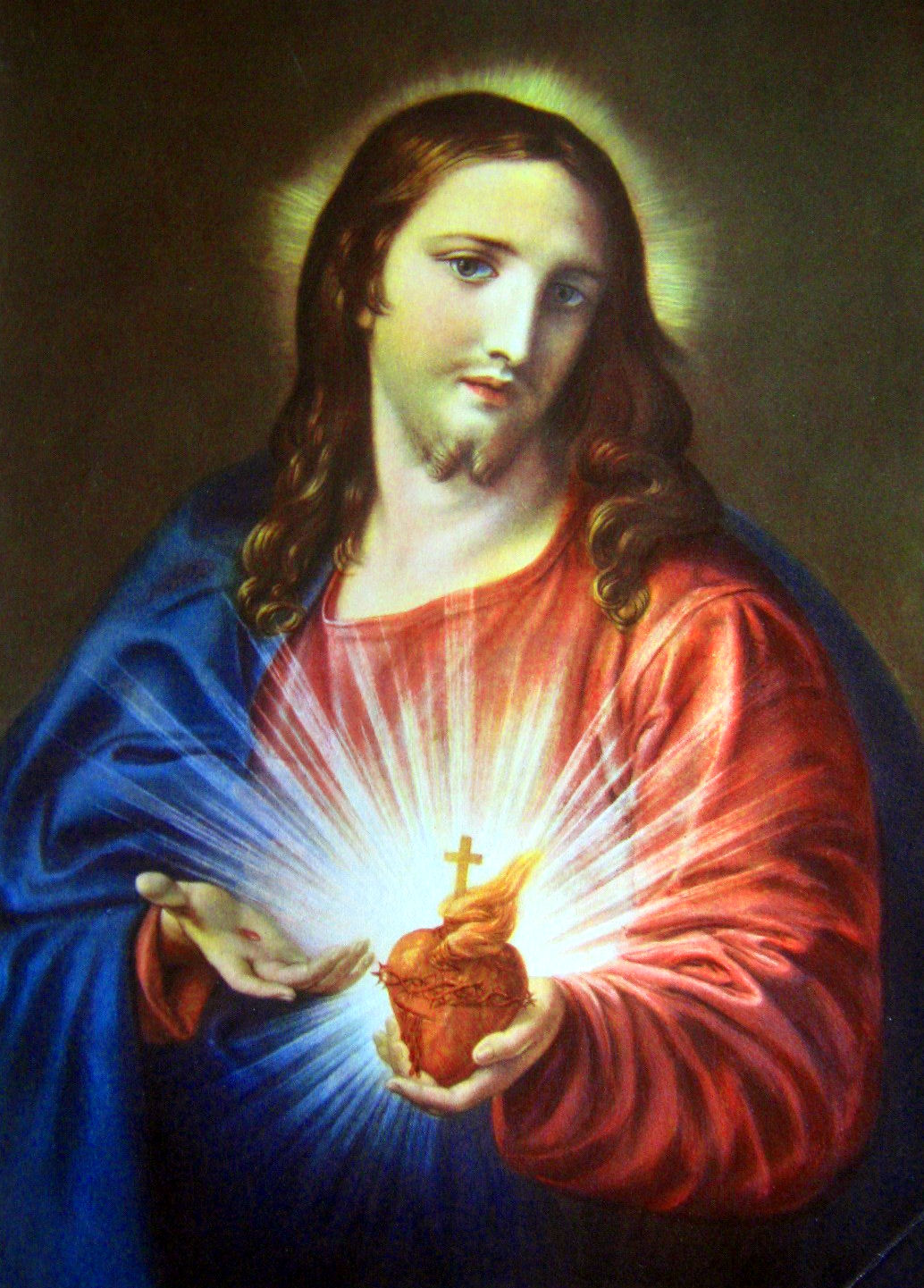
The devotion to the Sacred Heart of Jesus honors the heart of Christ as a symbol of his divine love, compassion and redemptive suffering. Practitioners treat the image of the heart—often shown aflame, wounded, and encircled by a crown of thorns—as a focus for prayer, reflection and acts of reparation. The devotion is rooted in Christian theology about the person of Jesus and his saving work, and is most widely practiced within Roman Catholicism; it is also observed by some Anglo-Catholic communities.
Image gallery
10 Images





Historical development
The modern form of the devotion developed in the 17th century. A key figure in popularizing it was Saint Margaret Mary Alacoque, a French Visitation nun, who reported private revelations in which Christ asked for devotion to his heart and specific practices such as the Holy Hour and Communion on the first Fridays. Earlier proponents and theological reflections on Christ's loving heart appear in medieval and early modern spirituality, and the devotion expanded through religious orders, confraternities and devotional literature.
Symbols and common elements
Artistic depictions convey theological meanings. Common attributes are:
- a visible heart, often aflame, signifying burning love;
- a crown of thorns or wound, indicating suffering and sacrifice;
- a cross above or within the heart, linking love to redemption;
- sometimes streams of light or blood, evoking Eucharistic and sacrificial themes.
Practical expressions and observances
Devotional practices associated with the Sacred Heart include personal prayers, consecration of individuals or families, the enthronement of an image in homes, communal acts of reparation, and the practice of Receiving Communion on nine First Fridays. The Feast of the Sacred Heart is observed liturgically on the Friday following the second Sunday after Pentecost. Devotional societies and parish groups continue to promote these practices in many countries.
Significance and distinctions
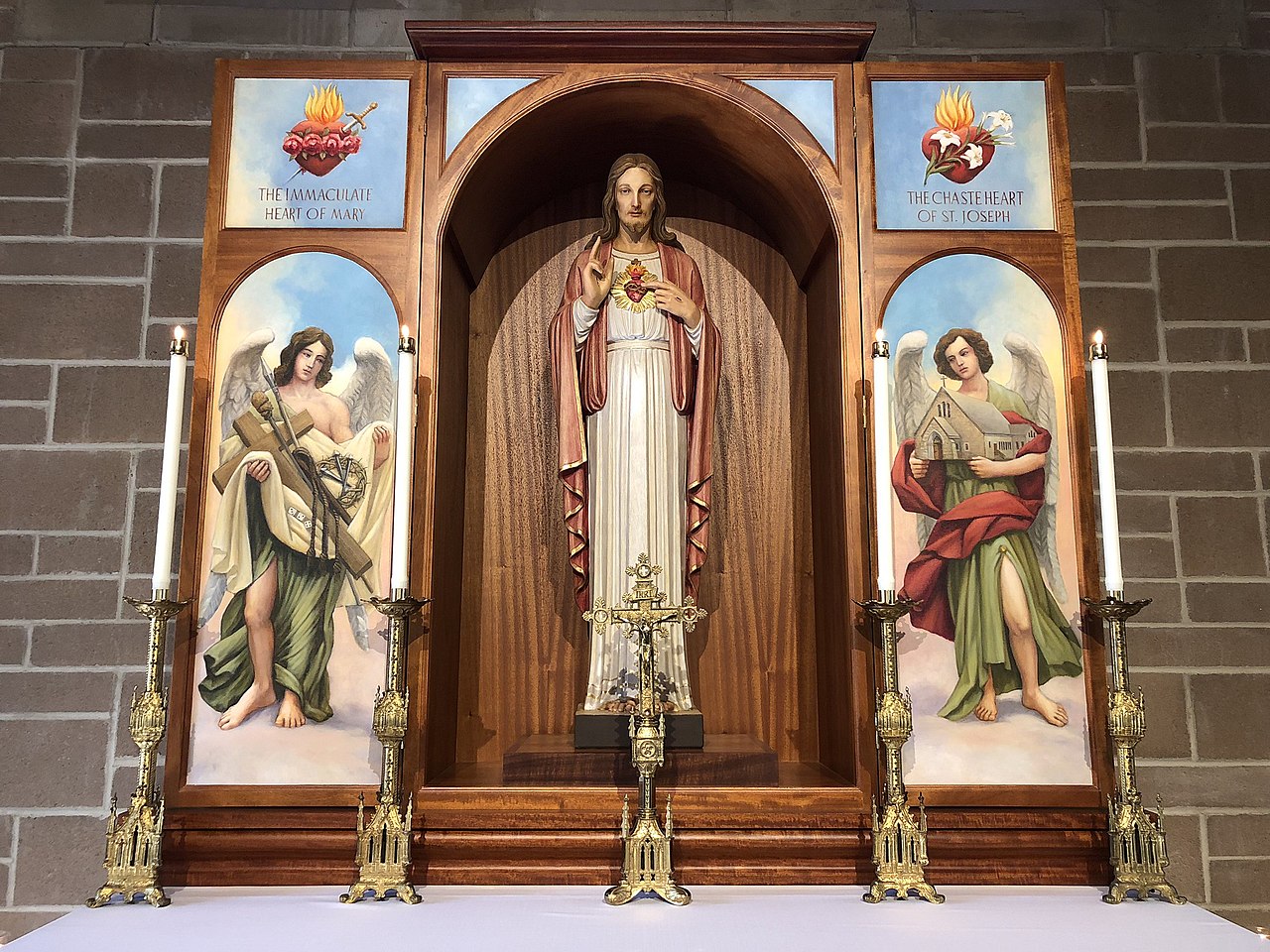
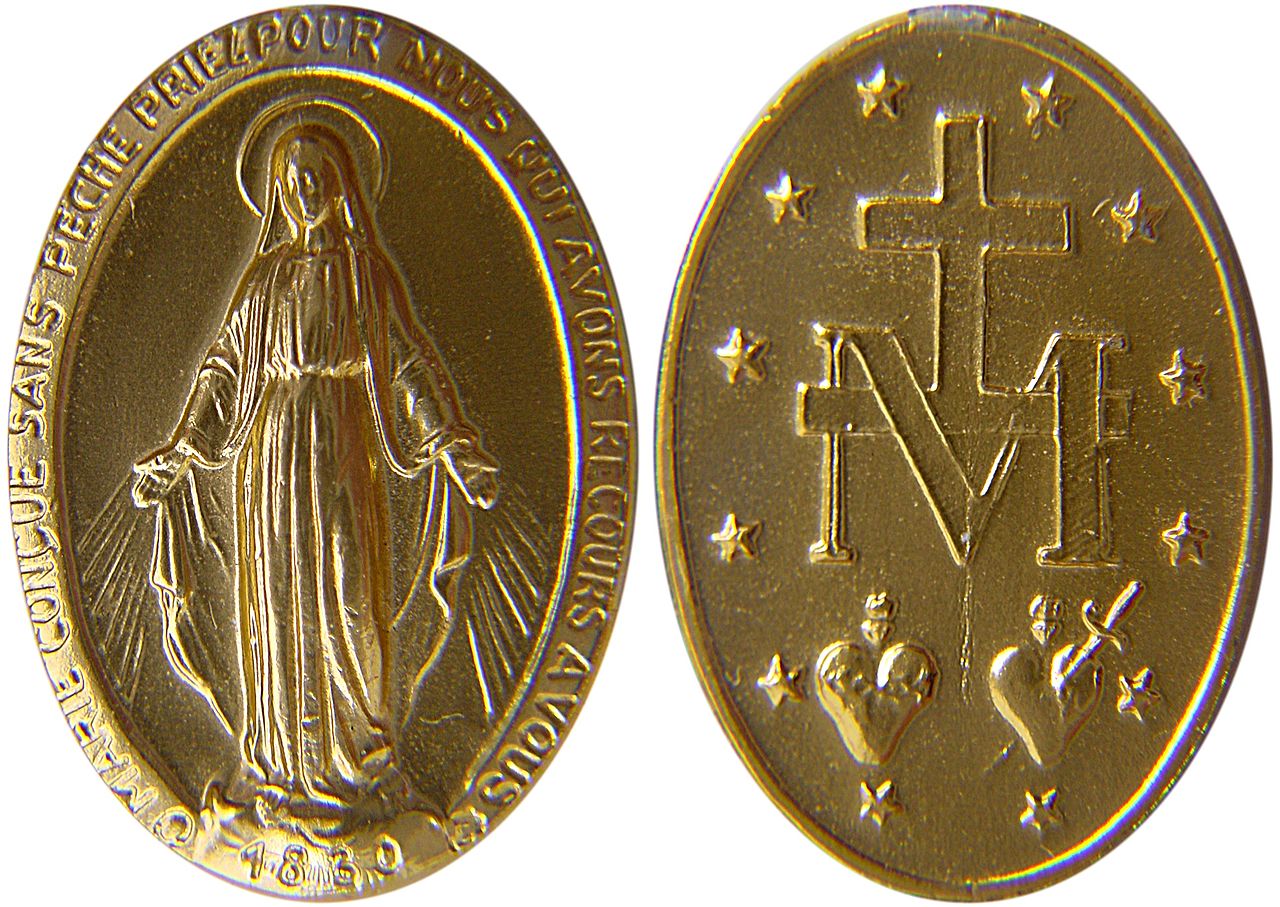
Theologically the devotion emphasizes God's intimate, personal love and invites a response of trust, love and penance. It is distinct from, though related to, the devotion to the Immaculate Heart of Mary, which focuses on Mary's interior life and maternal love. Within Christian art and popular religion the Sacred Heart became a widespread emblem of piety, social identity and charitable inspiration.
Notable figures and resources
Saint Margaret Mary Alacoque is the most associated individual; other priests, religious congregations and lay movements helped disseminate the devotion. For further devotional texts and historical summaries see materials linked to the title and to biographies of key promoters such as Margaret Mary Alacoque. The devotion remains an active element of contemporary Catholic spirituality, teaching, and parish life.
Questions and answers
Q: What is the Sacred Heart of Jesus?
A: The Sacred Heart of Jesus is a part of Jesus that Roman Catholics believe is divine.
Q: What is a devotion in Roman Catholicism?
A: A devotion is something that people do or say to show their love for God and Jesus.
Q: Who wrote the prayer to the Sacred Heart of Jesus?
A: Saint Margaret Mary Alacoque wrote the prayer to the Sacred Heart of Jesus.
Q: What do Roman Catholics pray for when they pray to the Sacred Heart of Jesus?
A: Roman Catholics pray for a part of Jesus that they believe is divine when they pray to the Sacred Heart of Jesus.
Q: Who else besides Roman Catholics practice devotion to the Sacred Heart of Jesus?
A: Some Anglo-Catholic Anglicans who use many of the same practices as Catholics also practice devotion to the Sacred Heart of Jesus.
Q: What is the significance of the Sacred Heart of Jesus in Roman Catholicism?
A: The Sacred Heart of Jesus is an important part of Roman Catholic devotion because it represents Jesus' love and mercy for humankind.
Q: What is the purpose of the prayer to the Sacred Heart of Jesus?
A: The purpose of the prayer to the Sacred Heart of Jesus is to express love and devotion to Jesus, and to seek his intercession for specific needs and intentions.
Related articles
Author
AlegsaOnline.com Sacred Heart (Christian devotion) Leandro Alegsa
URL: https://en.alegsaonline.com/art/85161