
Sacramento River
Major river of Northern California, about 445 miles long; central to the Sacramento Valley, regional ecology, water supply, agriculture, and California history.
Overview
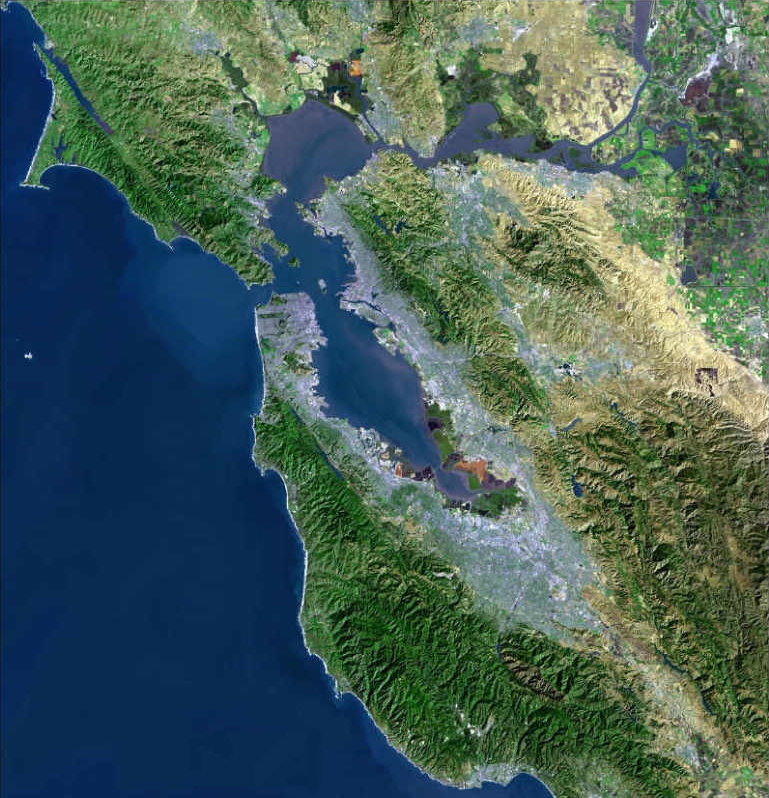
The Sacramento River is the principal river of Northern California and one of the state's largest waterways. Flowing roughly 445 miles (716 km), it drains much of the northern Central Valley and empties into the Sacramento–San Joaquin River Delta, ultimately reaching San Francisco Bay. The river is an important natural corridor that shapes the landscape, climate influences, and human settlement patterns in the region of the United States.
Image gallery
3 Images

Course and main tributaries
The Sacramento begins in the northern mountains and travels south through the broad Sacramento Valley. Its watershed collects runoff from several mountain ranges and is fed by many tributaries. Major tributaries include:
- Pit River
- Feather River
- American River
Cities along the river corridor include Redding in the north and the state capital, Sacramento, farther downstream. Reservoirs and regulated flows along the course moderate seasonal variability.
History and human presence
Indigenous peoples lived in the Sacramento watershed for millennia and relied on its fisheries, floodplain resources, and seasonal cycles. In the mid-19th century the river's tributaries were central to the California Gold Rush, which brought an influx of prospectors, towns, and infrastructure. Over time the valley transformed into a productive agricultural region supported by irrigation networks and transport routes along the river.
Uses, management, and ecology
Today the Sacramento River supplies water for cities, farms, and industrial uses. Extensive water management—dams, canals, pumps, and levees—provides flood control, municipal deliveries, and irrigation for California's Central Valley crops. Hydropower from reservoirs also contributes electricity generation (hydroelectricity).
Ecologically, the river supports important runs of Chinook salmon and steelhead, seasonal wetlands, and riparian habitats that sustain migratory birds and other wildlife. Conservation and restoration efforts address water quality, fish passage, and the health of the Sacramento–San Joaquin Delta.
Notable aspects and recreation
The Sacramento River remains a focus of regional planning and water policy because of its role in agriculture, urban supply, and ecosystem services. It also offers recreational opportunities—fishing, boating, and river rafting—and continues to influence cultural and economic life in the valley. Management choices on the river affect downstream habitats, communities, and the broader water system of California.
Related articles
Author
AlegsaOnline.com Sacramento River Leandro Alegsa
URL: https://en.alegsaonline.com/art/85152