
Redding, California: regional hub at the edge of the Shasta Cascades
Redding is the county seat of Shasta County in Northern California. Located where the Central Valley meets the Shasta Cascades, it serves as a regional center for government, commerce, and outdoor recreation.
Overview
Redding is a city in Northern California and part of the broader Western United States. It is the county seat of Shasta County and functions as a service and employment center for a large rural region. The population recorded at the 2010 census was 90,322, and the city is noted for its role as a regional hub for government, healthcare, education and retail.
Image gallery
10 Images






Geography and climate
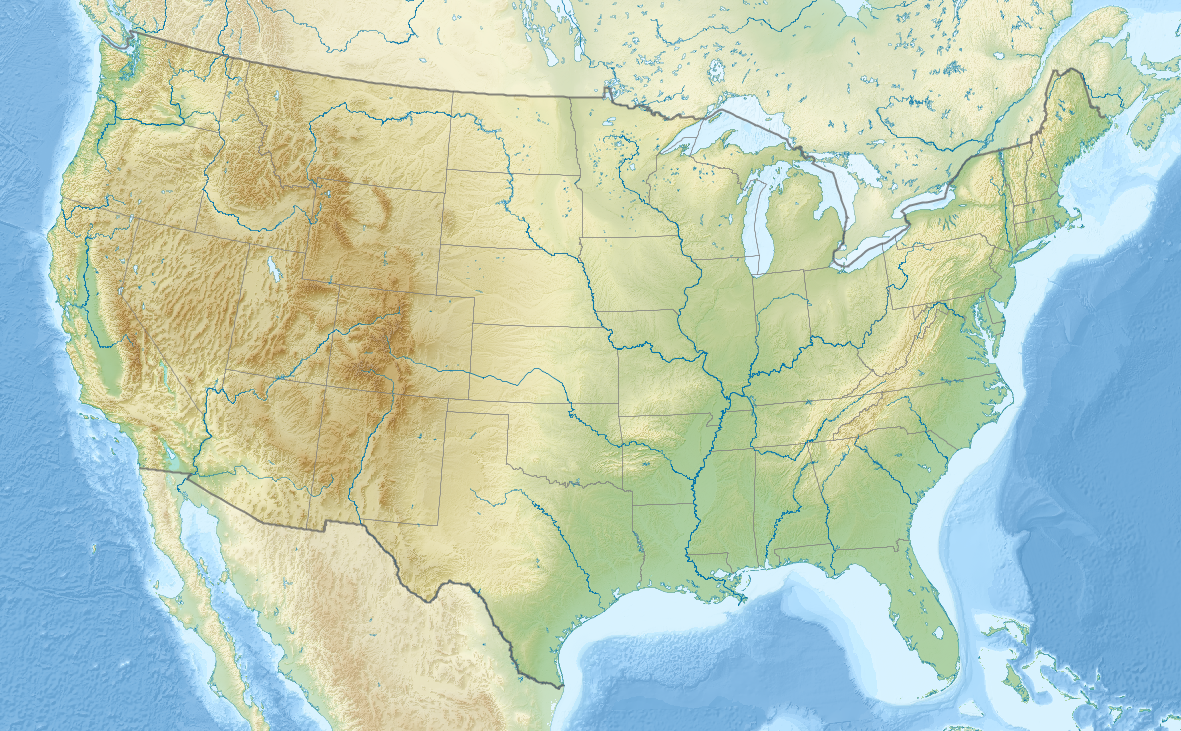
Redding sits at the northern end of the state’s great Central Valley, at the base of the Shasta Cascades. The Sacramento River runs through or near the city, and the surrounding landscape includes foothills, river valleys and volcanic features farther north. Redding lies about 110 miles south of the Oregon border along Interstate 5 and roughly 140 miles east of the Pacific Ocean via State Highway 299. The climate is characterized by hot, dry summers and cool, wetter winters — conditions common to inland Northern California.
History and development
The city developed in the 19th century as settlers, prospectors and farmers moved into the region. Its growth was aided by transportation corridors and by designation as a county seat, which concentrated administrative and judicial functions. Over time Redding evolved from a frontier settlement into a small urban center serving rural communities across a wide upland and valley area.
Economy and institutions
Redding’s economy is diverse for a city of its size. Public administration, healthcare services, education, retail trade and light industry all contribute to local employment. The city is home to regional hospitals, colleges and cultural institutions that serve residents of surrounding counties. Its location on major highways has also made it a distribution and service point for northern California.
Recreation and points of interest
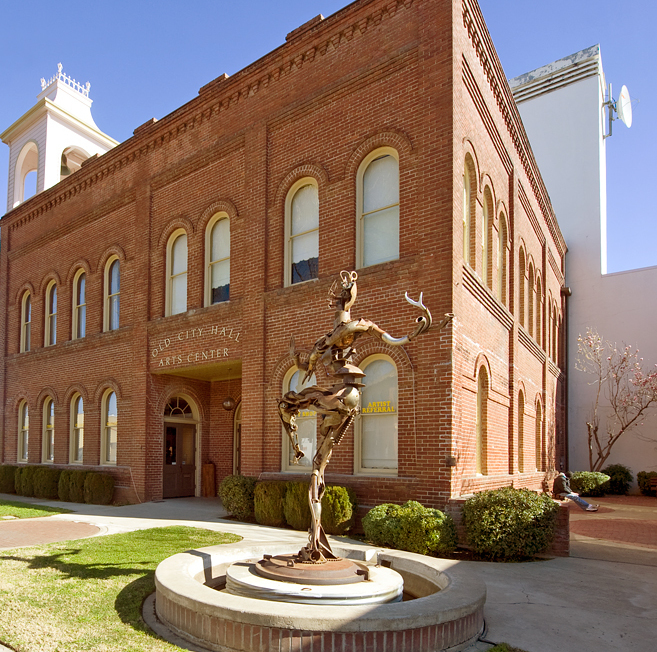
The area around Redding is widely used for outdoor recreation: boating and fishing on nearby lakes and reservoirs, hiking in the Shasta Cascades, and scenic drives toward volcanic and forested landscapes. Within the city, pedestrian bridges, riverfront parks and cultural venues attract both residents and visitors. National and state parks lie within a day’s travel, offering wilderness, volcanic features and alpine recreation.
Transportation and contemporary issues
Interstate 5 and State Highway 299 provide the principal road links; a regional airport and local transit services connect the city to other parts of California. Like many communities in the region, Redding faces challenges tied to water management, wildfire risk and balancing economic growth with conservation of nearby natural areas. Its combination of civic services, regional infrastructure and access to outdoor landscapes keeps it an important center in northern California.
- Regional role: county seat and service center
- Landscape: river valley at the edge of mountain cascades
- Climate: hot summers, cool wet winters
- Recreation: lakes, trails and nearby national parks
Related articles
Author
AlegsaOnline.com Redding, California: regional hub at the edge of the Shasta Cascades Leandro Alegsa
URL: https://en.alegsaonline.com/art/81726
Sources
- usatoday.com : "Multimedia"