
Sagami Province: historical overview and legacy
Sagami Province (Sōshū) was an old Japanese province in central and western Kanagawa. This article covers its geography, history, notable sites, and legacy in modern Kanagawa Prefecture.
The region historically known as Sagami Province (often called Sōshū) occupied much of what is now central and western Kanagawa Prefecture. As a unit of territorial organization in premodern Japan, Sagami played a significant regional role because of its coastal frontage, fertile plains and proximity to political centers to the northeast.
Image gallery
3 Images

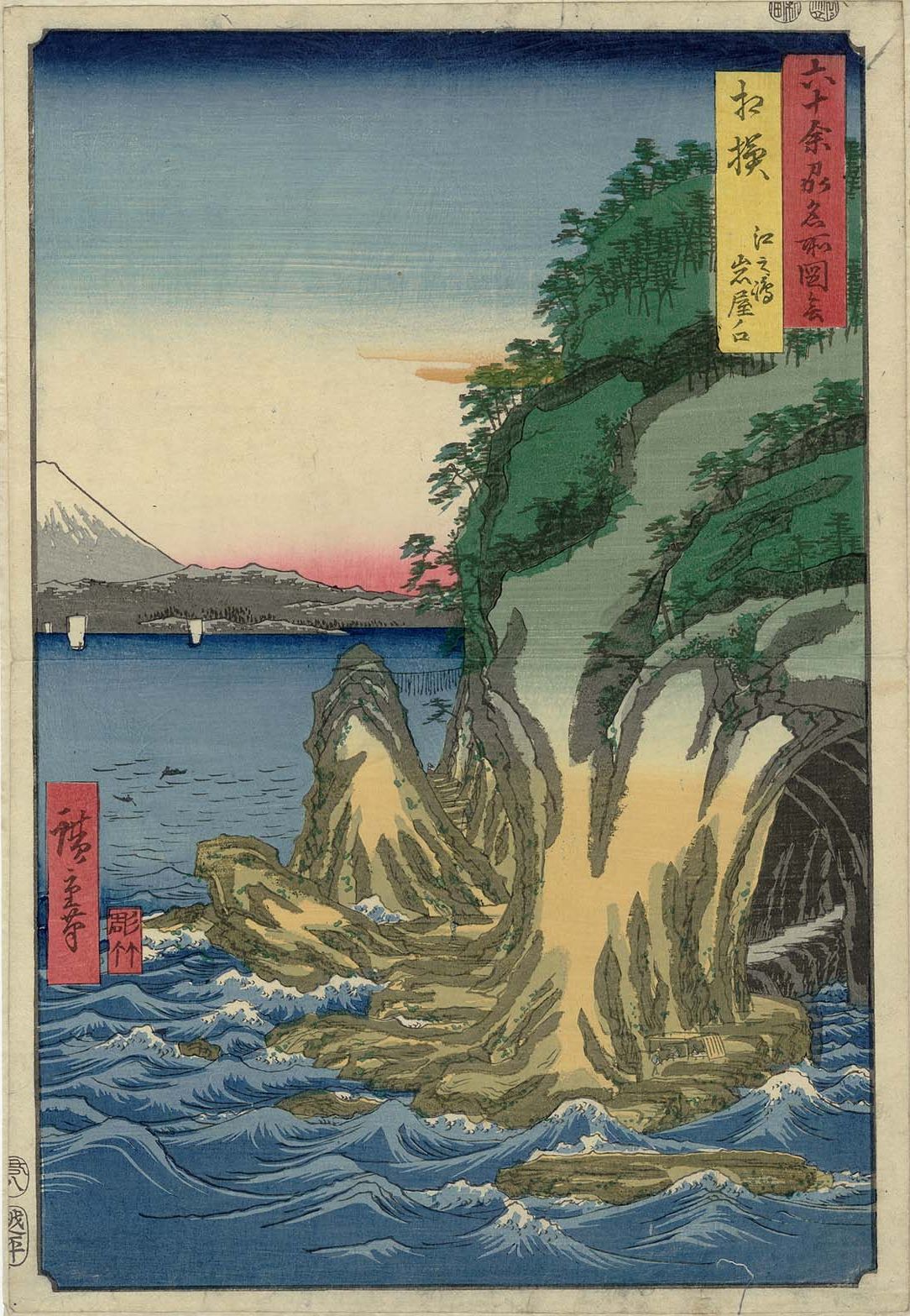
Geography and borders
Sagami lay on the main island of Honshū with a coastline on the Pacific Ocean that included Sagami Bay. Its inland contours connected it to other provinces and transportation corridors; sources note its relations to neighboring provinces and networks of roads and rivers (adjacent provinces and routes).
- Izu Province (to the southwest across maritime channels)
- Musashi Province (to the north)
- Suruga Province (to the west)
History and development
In antiquity and the medieval era Sagami developed as a mix of coastal fishing settlements, cultivated plains and fortified towns. The ancient provincial capital was located near present-day Hiratsuka, while the city of Kamakura, within the province's bounds, rose to national prominence as the seat of the Kamakura shogunate in the late 12th century, shaping political and military history for centuries. Castle towns such as Odawara also became focal points of regional governance.
Administration, economy and culture
Administratively Sagami followed the customary provincial divisions of premodern Japan. Its economy combined agriculture on coastal plains, fishing along Sagami Bay and control of land routes toward the Kantō area. Religious and cultural institutions—temples, shrines and local festivals—have left a visible imprint on the modern cultural landscape.
Legacy and modern relevance
With the Meiji-era reorganization of Japan's territories, the provincial system was replaced and Sagami's lands were incorporated into modern prefectural structures. Today many historical sites, temple complexes and castle remains attract visitors, and the name survives in place names and regional history studies, helping explain the development of today's Kanagawa Prefecture.


Related articles
Author
AlegsaOnline.com Sagami Province: historical overview and legacy Leandro Alegsa
URL: https://en.alegsaonline.com/art/85239
Sources
- books.google.com : "Kanagawa"
- books.google.com : "Tōkaidō"
- books.google.com : "Provinces and prefectures"
- books.google.com : Brassey's Annual: the Armed Forces Year-book, p. 24
- eos.kokugakuin.ac.jp : "Nationwide List of Ichinomiya," p. 1