
Serbian Dinar (RSD)
The Serbian dinar (RSD) is the official currency of Serbia, issued by the National Bank of Serbia. It uses the dinar name in Cyrillic and Latin scripts and circulates in coins and banknotes of multiple denominations.
Overview
The Serbian dinar (Serbian: динар, dinar) is the official currency of the Republic of Serbia. Its ISO 4217 code is RSD. The currency is issued and regulated by the National Bank of Serbia and is used for everyday transactions across the country. For a general introduction to its legal status see official currency information and for context about the issuing country see Serbia.
Image gallery
10 Images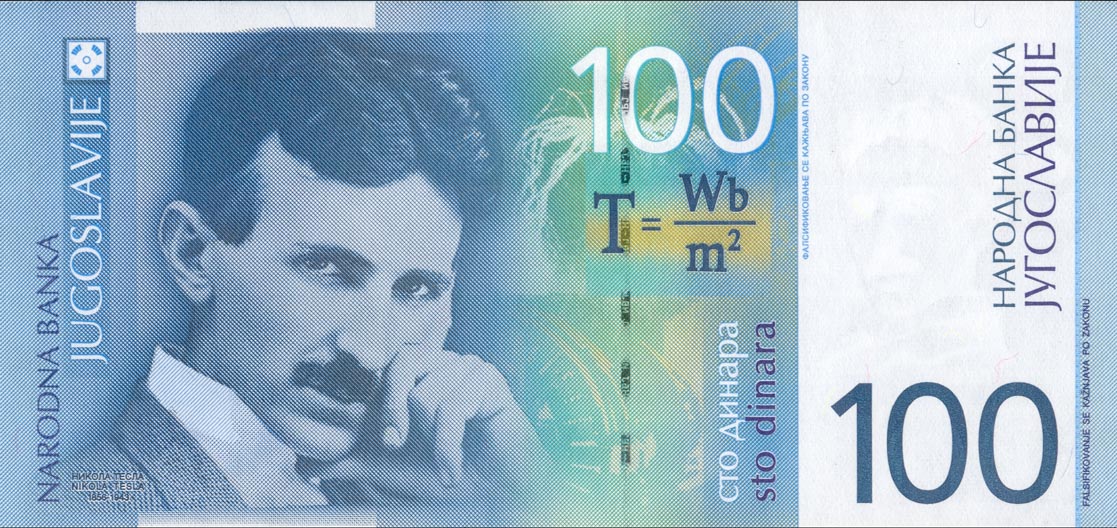


Denominations and form
Coins and banknotes circulate concurrently. Coin denominations cover small change while banknotes represent larger values for commerce and banking. Common denominations in circulation include:
- Coins: 1, 2, 5, 10 and 20 dinars (lower-value coins are used less frequently for everyday transactions)
- Banknotes: 10, 20, 50, 100, 200, 500, 1,000, 2,000 and 5,000 dinars
Collections and reference pages describing coin characteristics and minting can be found at resources on coins and banknotes.
Design and security
Modern Serbian banknotes incorporate standard security features such as watermarks, security threads, microprinting and varying paper or polymer treatments to deter counterfeiting. They typically carry portraits of notable Serbian historical figures and motifs reflecting national culture, architecture and scientific achievements. Coins are struck in various alloys and sizes to aid recognition.
History and development
The name "dinar" derives from the Roman denarius and has appeared in various forms in the region for centuries. The present-day Serbian dinar succeeds currencies used during the 20th century in the former Yugoslavia and has been reintroduced and reformed through political and monetary changes. The National Bank of Serbia manages monetary policy, issues currency, and works to maintain price stability.
Uses and practical notes
The dinar is used for cash payments, pricing goods and services, banking and ATM withdrawals. Foreign visitors typically exchange major currencies at banks, exchange offices and some hotels; many businesses also accept major international cards. Because both Cyrillic and Latin scripts are used in Serbia, you will encounter the currency name and numerals in either alphabet depending on local signage.
Notable facts and distinctions
- Currency code: RSD.
- Local naming appears in both Cyrillic and Latin scripts: динар / dinar.
- The dinar has historical roots tracing back to the denarius; its modern issuance reflects Serbia's sovereign monetary authority.
Related articles
Author
AlegsaOnline.com Serbian Dinar (RSD) Leandro Alegsa
URL: https://en.alegsaonline.com/art/88980