
Bartonella — genus of intracellular bacterial pathogens
Bartonella is a genus of Gram-negative, intracellular bacteria that infect mammals and are transmitted by arthropod vectors, causing a range of human and animal diseases from mild to life-threatening.
Overview: Bartonella is a genus of small, Gram-negative bacteria placed in the family Bartonellaceae. Members of this genus are adapted to live inside host cells, particularly red blood cells (erythrocytes) and endothelial cells. Several Bartonella species cause zoonotic infections — illnesses transmitted from animals to humans — and are of interest in both clinical medicine and veterinary practice.
Image gallery
3 Images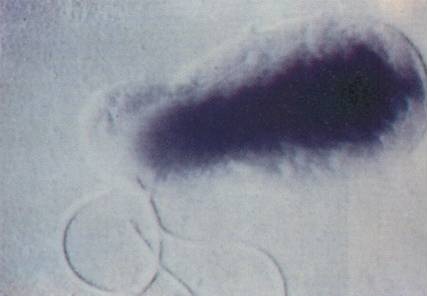


Characteristics and biology
Bartonella species are typically slow-growing, facultatively intracellular pathogens. They can persist for long periods within a host by evading immune responses and inhabiting erythrocytes or vascular endothelium. When cultured in the laboratory, they have fastidious nutritional requirements and often require enriched media and extended incubation. The genus contains multiple species with distinct host preferences and genetic traits.
Transmission and reservoirs
Bartonella are transmitted to new hosts most commonly through arthropod vectors and direct contact with infected animals. They are recognized pathogens in humans and many mammal species. Typical routes include:
- Fleas — common in domestic cats and a major route for some species (fleas).
- Body lice — historically important for trench fever.
- Ticks, sand flies, and mosquitoes — vectors implicated in some transmission cycles (ticks, mosquitoes).
- Direct scratches or bites from infected animals—especially cats for certain species.
Human disease and clinical importance
Different Bartonella species cause a range of clinical syndromes. Some infections are self-limited, while others can be severe, particularly in people with weakened immune systems. Commonly recognized manifestations include:
- Cat-scratch disease: regional lymph node swelling and fever, often linked to cats.
- Trench fever: relapsing fever and bone pain, historically linked to B. quintana.
- Carrion's disease: a biphasic illness caused by B. bacilliformis in parts of South America.
- Endocarditis, bacillary angiomatosis, and chronic bloodstream infections in some hosts.
At least several Bartonella species or subspecies are known to infect humans; surveillance and improved diagnostic methods continue to expand the list (clinical reports).
Diagnosis, treatment, and prevention
Diagnosing Bartonella infection can be challenging because cultures are slow and serologic responses vary. Polymerase chain reaction (PCR) tests and specialized serology are commonly used in clinical laboratories. Treatment typically involves antibiotics such as doxycycline, macrolides, or combinations tailored to the clinical syndrome and patient factors. Prevention emphasizes vector control, safe handling of pets, and public health measures in areas where vectors are common.
History and notable facts
The genus name honors Alberto Leonardo Barton, an early 20th-century microbiologist who described related organisms. Bartonella infections illustrate the intersection of veterinary and human medicine, and they are considered emerging or re-emerging pathogens in some regions. Ongoing research addresses transmission dynamics, reservoir hosts, improved diagnostics, and vaccine or vector-control strategies to reduce disease burden.
For further introductory material and reference summaries, see general reviews and clinical guidelines (pathogen overviews).
Related articles
Author
AlegsaOnline.com Bartonella — genus of intracellular bacterial pathogens Leandro Alegsa
URL: https://en.alegsaonline.com/art/9165
Sources
- doi.org : 10.1099/00207713-43-4-777
- worldcat.org : 0020-7713
- pubmed.ncbi.nlm.nih.gov : 8240958