
Gene: units of heredity — structure, function, and significance
A gene is a segment of DNA that carries instructions for traits or cellular functions. This article explains gene structure, expression, inheritance, history, and applications in medicine, agriculture, and research.
Overview
A gene is a functional unit of heredity made of DNA that carries the instructions for building and regulating parts of a living organism. At its simplest, a gene is a sequence of nucleotides in the DNA that contributes to a particular trait or cellular activity. Genes operate within the context of the whole cell, interacting with other genes and environmental factors to shape development, physiology, and behavior.
Image gallery
3 Images

Structure and how genes work
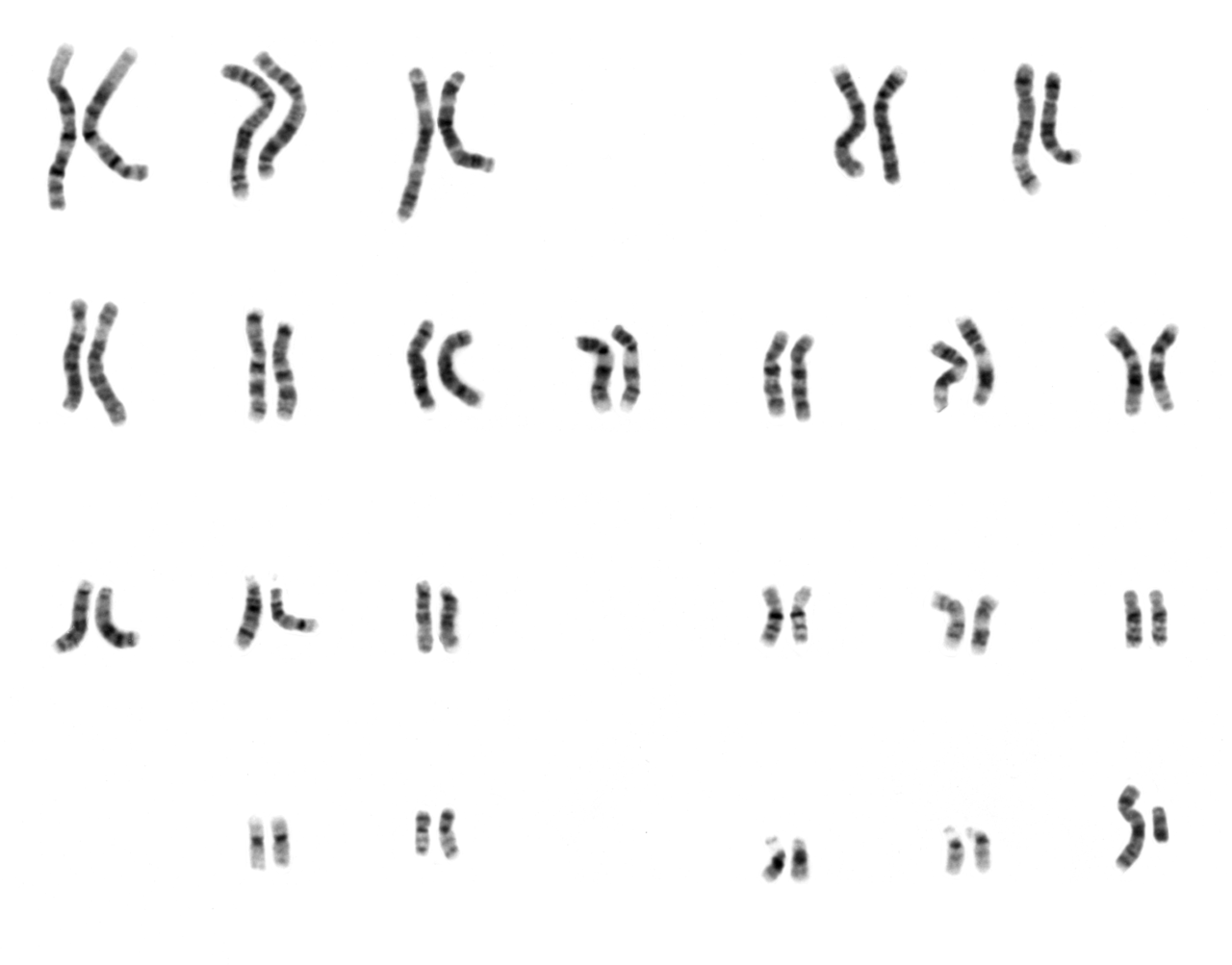
Genes are stretches of the larger molecule DNA. Many genes contain regions that code for proteins and regions that control when and where those proteins are made. The typical flow of information goes from DNA to RNA to protein: DNA is transcribed into RNA, and messenger RNA is translated into proteins. Some genes do not encode proteins but produce functional RNAs instead. The part of a gene that provides protein instructions is often called the coding sequence; regulatory elements such as promoters and enhancers surround it and influence gene activity.
Characteristics and variation
Biologically meaningful properties of genes include their sequence, location on a chromosome, and the different versions known as alleles. Mutations or sequence differences can alter gene function, sometimes with visible effects on traits or health. In diploid organisms like humans, individuals inherit one copy of each gene from each parent, so many traits reflect the combined influence of two alleles.
History and scientific study
The idea that hereditary factors are passed between generations dates to classical breeding experiments. Over time scientists identified genes as molecular entities within chromosomes and revealed DNA's double-helix structure. Advances in genetics and molecular biology established how genes are expressed and regulated and led to the mapping and sequencing of whole genomes, deepening our understanding of gene function and evolution.
Uses, examples, and importance
Knowledge of genes underpins modern medicine, biotechnology, and agriculture. Genetic tests can identify variants linked to inherited conditions; researchers study genes such as those affecting blood proteins, immune responses, or tumor risk to develop diagnostics and treatments. Plant and animal breeding use gene knowledge to improve yield, resistance, and quality. Techniques for altering genes, including more recent genome-editing tools, are powerful but raise technical and ethical considerations.
Notable distinctions
- Protein-coding genes versus non-coding genes (many RNAs have regulatory roles).
- Mendelian single-gene traits versus complex traits influenced by many genes and the environment.
- Inherited variants versus somatic mutations acquired during life.
For accessible introductions and further reading, consult educational resources and review articles from genetics and molecular biology. Useful starting points include materials that cover DNA structure, gene expression, and modern applications of genomics.
Links: DNA basics, molecular overview, cell structure, protein synthesis, coding sequences.
Questions and answers
Q: What are genes?
A: Genes are parts of DNA.
Q: What is DNA?
A: DNA is a molecule inside a cell that carries the instructions for making the proteins the cell will need.
Q: What do genes contain?
A: Each gene contains a single set of instructions, usually coding for a particular protein.
Q: How many genes do humans have?
A: Humans have about 20,000 genes that code proteins and many more that are non-coding.
Q: Where do half of a person's genes come from?
A: Half of a person's genes come from the mother.
Q: Where do the other half of a person's genes come from?
A: The other half of a person's genes come from the father.
Q: What is the function of DNA?
A: The function of DNA is to carry the instructions for making the proteins the cell will need.
Related articles
Author
AlegsaOnline.com Gene: units of heredity — structure, function, and significance Leandro Alegsa
URL: https://en.alegsaonline.com/art/37931