
Scramjet (supersonic combustion ramjet)
An air‑breathing engine that burns fuel in supersonic airflow to propel vehicles at hypersonic speeds; largely experimental and used in research and defense projects rather than commercial airliners.
Overview
A scramjet, short for supersonic combustion ramjet, is a form of air‑breathing jet engine that sustains combustion while the intake airflow remains supersonic. Unlike conventional ramjets that slow incoming air to subsonic speeds before ignition, a scramjet is designed so fuel mixes and burns without decelerating the flow below Mach 1. This allows more efficient operation at very high flight speeds and eliminates rotating machinery, but it also requires the vehicle to already be traveling at high supersonic or hypersonic speeds to start working.
Image gallery
6 Images



How a scramjet works
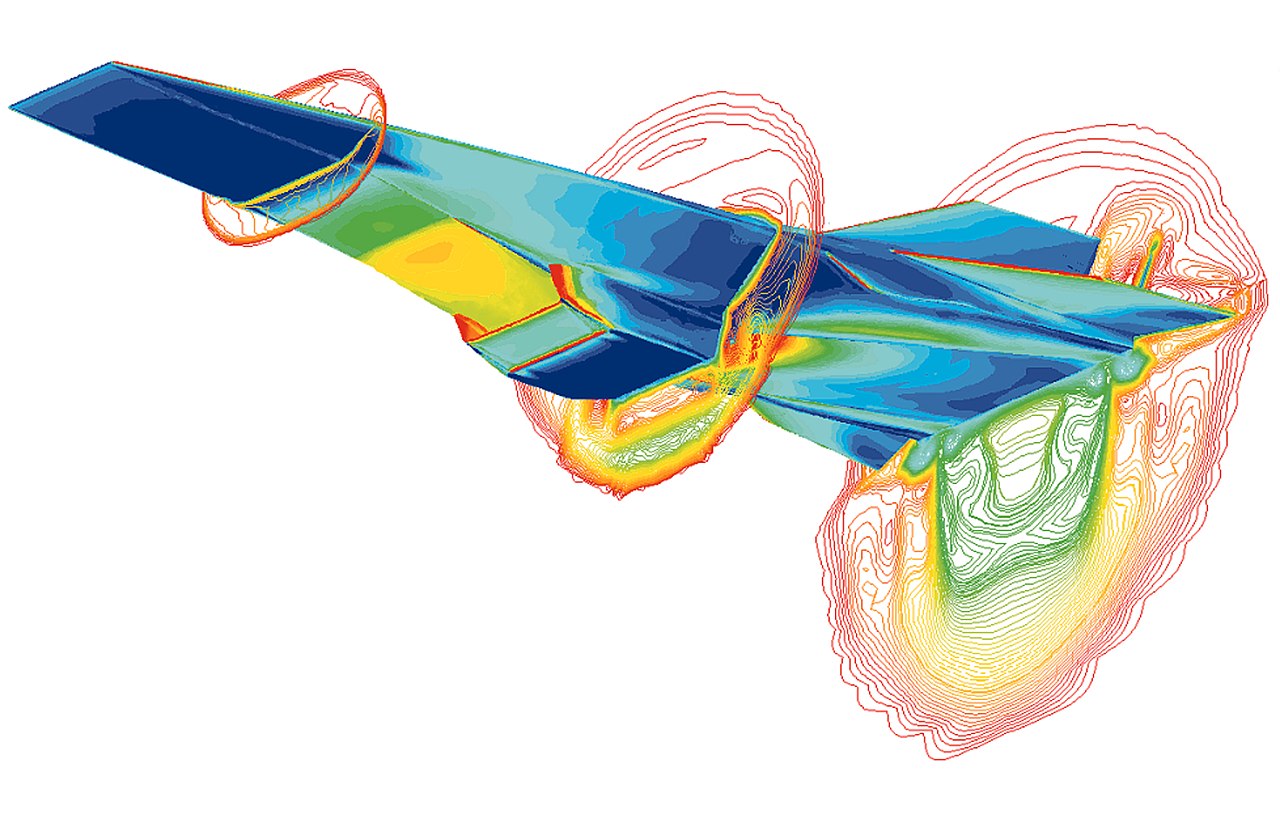
Scramjet propulsion relies on careful shaping of the vehicle and internal ducts to compress air using shock waves and vehicle aerodynamic forces. The basic functional elements are:
- Inlet/compression region: geometry produces oblique shock waves that raise pressure and temperature while keeping the flow supersonic.
- Combustor: fuel (often hydrogen in experiments) is injected and must mix and burn extremely quickly in the supersonic stream.
- Nozzle/expansion: exhaust gases expand to produce thrust without the need for turbines or compressors.
History and development
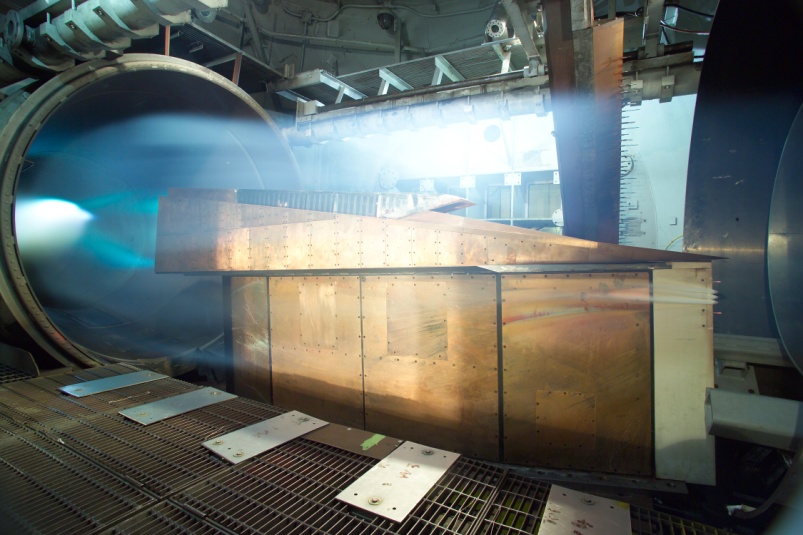
Scramjet concepts evolved from earlier ramjet work; a ramjet itself is an air‑breathing engine that decelerates air to subsonic speeds before combustion. Research accelerated in the latter half of the 20th century when interest in hypersonic flight and rapid access to space grew. Since then, laboratories, space agencies and defense research programs have conducted wind‑tunnel experiments and a series of flight demonstrations to validate supersonic combustion physics and materials capable of withstanding extreme temperatures.
Uses, examples, and importance
Potential applications include long‑range, high‑speed cruise vehicles, hypersonic weapons, and a more efficient air‑breathing first stage for launching payloads to orbit. To date, scramjets have been demonstrated only on experimental platforms and testbeds rather than on commercial transport: they are not used on commercial airliners. Short-duration, high‑speed flights have shown the basic feasibility of supersonic combustion, but moving from demonstrations to routine operation remains a major engineering challenge.
Advantages, limitations and distinguishing facts
Key advantages include a simpler mechanical design with no compressors or turbines and higher propulsive efficiency at very high Mach numbers. Limitations are significant: scramjets cannot produce static thrust at low speeds, require a booster or rocket to reach operating velocity, demand advanced materials and thermal protection, and impose demanding fuel‑mixing and combustion timing constraints because reactions must occur within milliseconds. The technology sits at the intersection of aerodynamics, high‑temperature materials science and propulsion engineering, making it one of the more technically ambitious paths toward sustained hypersonic flight.
Related articles
Author
AlegsaOnline.com Scramjet (supersonic combustion ramjet) Leandro Alegsa
URL: https://en.alegsaonline.com/art/88175