
Screw (fastener): types, parts, history and common uses
A screw is a threaded fastener used to join materials; this article explains its parts, materials, common types, history, measurement, and safe use.
A screw is a type of fastener with an external helical ridge (thread) wrapped around a cylindrical shaft. In everyday speech the word can also appear as slang — see slang usage and colloquial meanings — but in engineering and carpentry it refers to a mechanical element designed to hold parts together or to convert rotational motion into linear force.
Image gallery
10 Images





Design and components
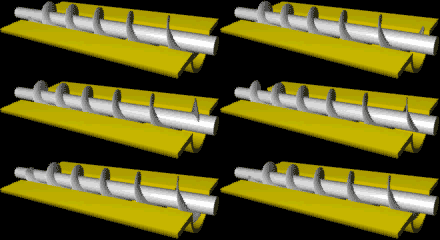
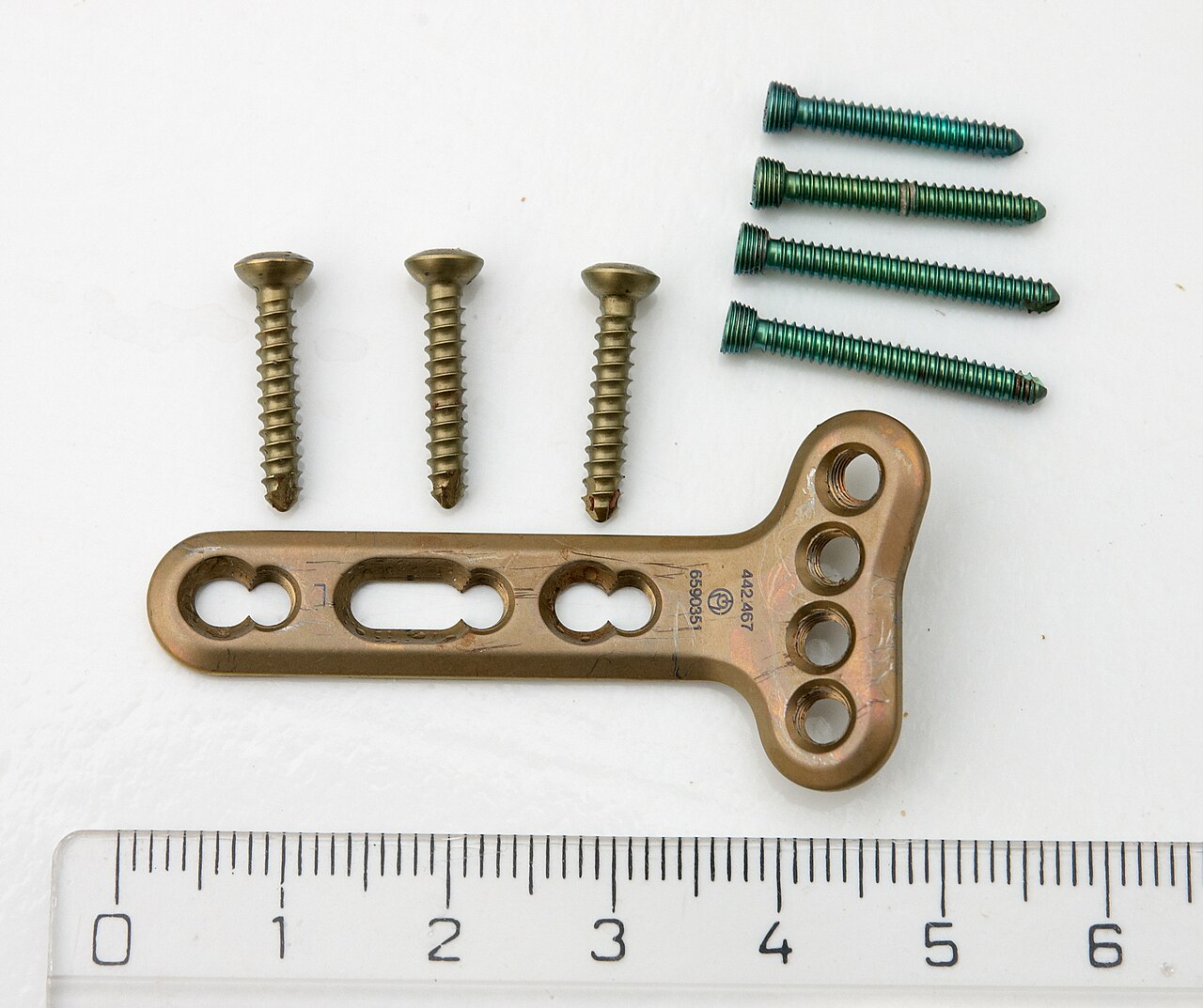
Structurally, a screw typically consists of a head, a shank, and one or more threads. Screws are usually made of metal or hard plastics; a common description calls them a sharp, threaded spike of metal such as steel, often contrasted with a nail, which is smooth. The thread is the spiral ridge that runs along the shaft; various sources refer to these as spiral or helical grooves. When installed, a screw is pressed into or against a material (for example, wood) and turned with a suitable driver such as a screwdriver or powered driver.
Materials and common types
Screws are manufactured from a range of materials chosen for strength, corrosion resistance, or cost. Typical materials include steel, iron, brass, bronze, and various plastics. Selection depends on the application — for example, stainless steel for outdoor exposure, brass for electrical conductivity and appearance.
- Wood screws: tapered shank and coarse threads for holding wood.
- Machine screws: uniform diameter, used with tapped holes or nuts.
- Self-tapping and sheet-metal screws: designed to form or cut mating threads in the workpiece.
- Lag screws/bolts: large screws for heavy timber connections.
History and development
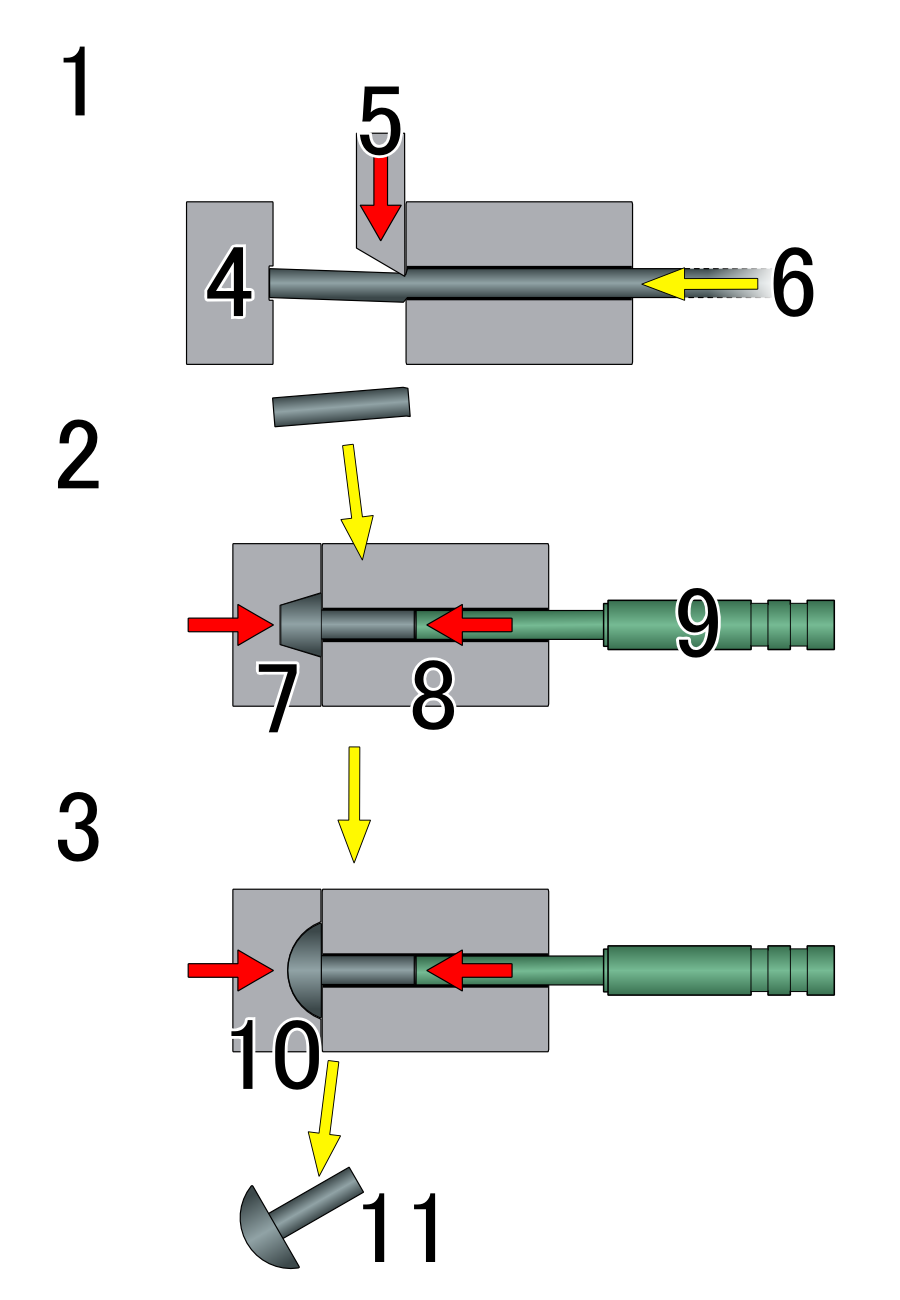
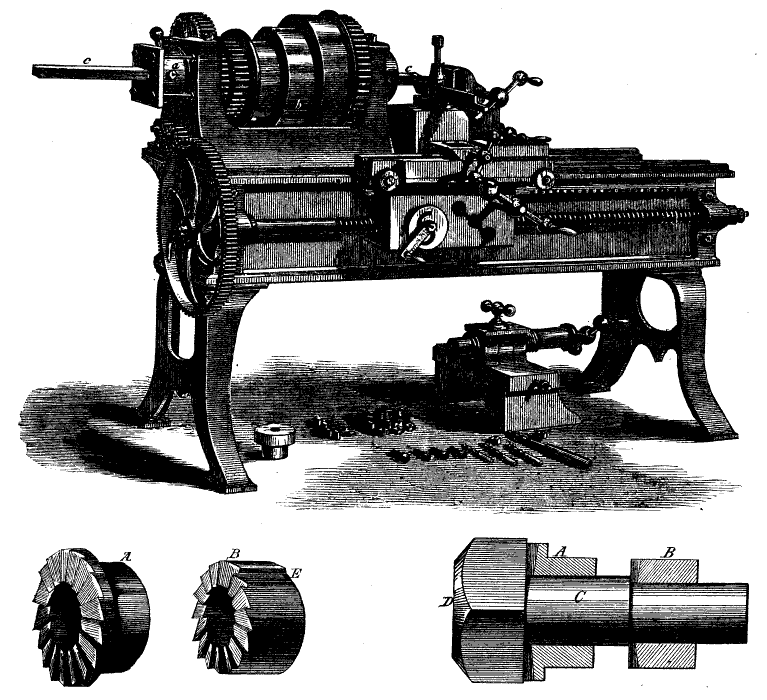
The principle of the screw as a simple machine dates back to classical antiquity. Devices resembling the screw were used for raising water and for presses. Over centuries the screw evolved from hand-formed threads to precisely manufactured fasteners produced in factories. Industrialization and standardization in the 19th and 20th centuries brought interchangeable screws with consistent thread forms, heads, and drives.
Uses, installation and examples
Screws are used in furniture, building construction, appliances, electronics, and vehicles. Installation typically involves choosing the correct screw type, pilot hole (if required), and driver. Most screws have right-hand threads: turning clockwise drives them in and counterclockwise removes them. Left-hand threads exist where rotation could loosen a right-hand fastener, as in some rotating machinery. Nuts are paired with machine screws when a removable bolted joint is needed.
Standards, measurement and safe practice
Thread size and pitch are specified by national or international standards and measured in millimetres (metric) or by gauges and threads-per-inch (imperial). Correct selection and installation affect strength and longevity; using the right length, material, and corrosion protection prevents failures. Pilot holes, countersinking, torque limits and appropriate drivers reduce stripping and breakage.
Notable distinctions
- Thread form: coarse versus fine threads—coarse for soft materials, fine for metal and higher clamping precision.
- Drive type: slotted, Phillips, Torx and others influence torque transfer and cam-out resistance.
- Purpose: fasteners for removable joints (machine screws and nuts) versus permanent or semi-permanent joints (self-tapping, wood screws).
For more detailed technical tables, standards and guidance on selecting and installing screws, consult manufacturer literature and standards organizations: see resources on material selection, thread geometry and driver types (slang note), or specific guides to metal working and woodworking fasteners (general references, materials, comparisons, thread basics, groove forms, wood fastening, tools, steel options, iron uses, brass fasteners, bronze fasteners, plastic fasteners, machine screw standards, nut pairing).
Questions and answers
Q: What is a screw?
A: A screw is a sharp piece of threaded metal similar to a nail with spiral grooves down its spike.
Q: How is a screw used?
A: A screw is pressed down against wood and turned with a screwdriver. Turning the screw to the right makes it go into the wood, and turning the screw to the left pulls it out of the wood.
Q: What prevents a screw from falling out of wood?
A: The grooves cut into the wood prevent the screw from falling out, as a nail might.
Q: What materials can screws be made of?
A: Screws can be made of steel, iron, brass, bronze, plastic, etc.
Q: What are machine screws?
A: Machine screws are bolts which have screw threads, and the threads matched with nuts with female threads.
Q: How are screw threads measured?
A: Screw threads are measured either in millimeters or in numbers.
Q: Where are screws commonly used?
A: Screws are commonly used in furniture, doors, appliances, etc.
Related articles
Author
AlegsaOnline.com Screw (fastener): types, parts, history and common uses Leandro Alegsa
URL: https://en.alegsaonline.com/art/88215
Sources
- www3.telus.net : www3.telus.net/findNchoose/StrippedWoodScrews.html