
Royal Observatory, Greenwich: history, functions, and legacy
Historic observatory on Greenwich Park hill where the Prime Meridian was established; founded 1675 to improve navigation, now a museum and UNESCO-linked cultural site.
Overview
The Royal Observatory, Greenwich is a historic scientific site established in 1675 on a hill in Greenwich. Its foundation aimed to improve celestial measurements and practical navigation for seafaring nations. The site overlooks the River Thames and sits within what is now a public park in London. Over centuries the observatory became the reference for longitude and timekeeping used around the world.
Image gallery
10 Images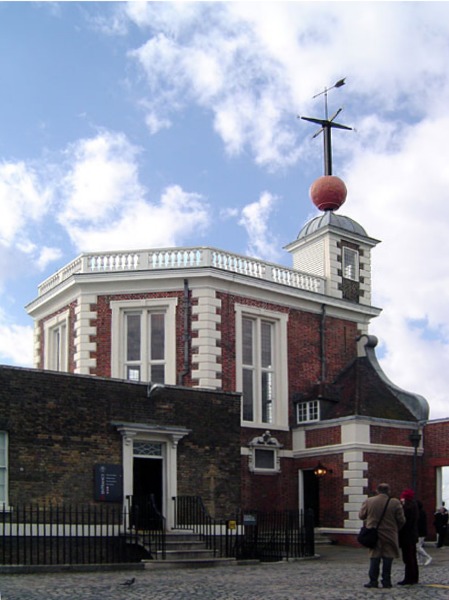




Founding and early purpose
The observatory was commissioned by King Charles II, who also created the office of Astronomer Royal. The first incumbent, John Flamsteed, was instructed to produce accurate star catalogues and tables of planetary motion so mariners could determine the much-sought longitude at sea. This practical, state-sponsored science reflected the era's urgent need to make long-distance navigation safer and more reliable.
Buildings, instruments and work
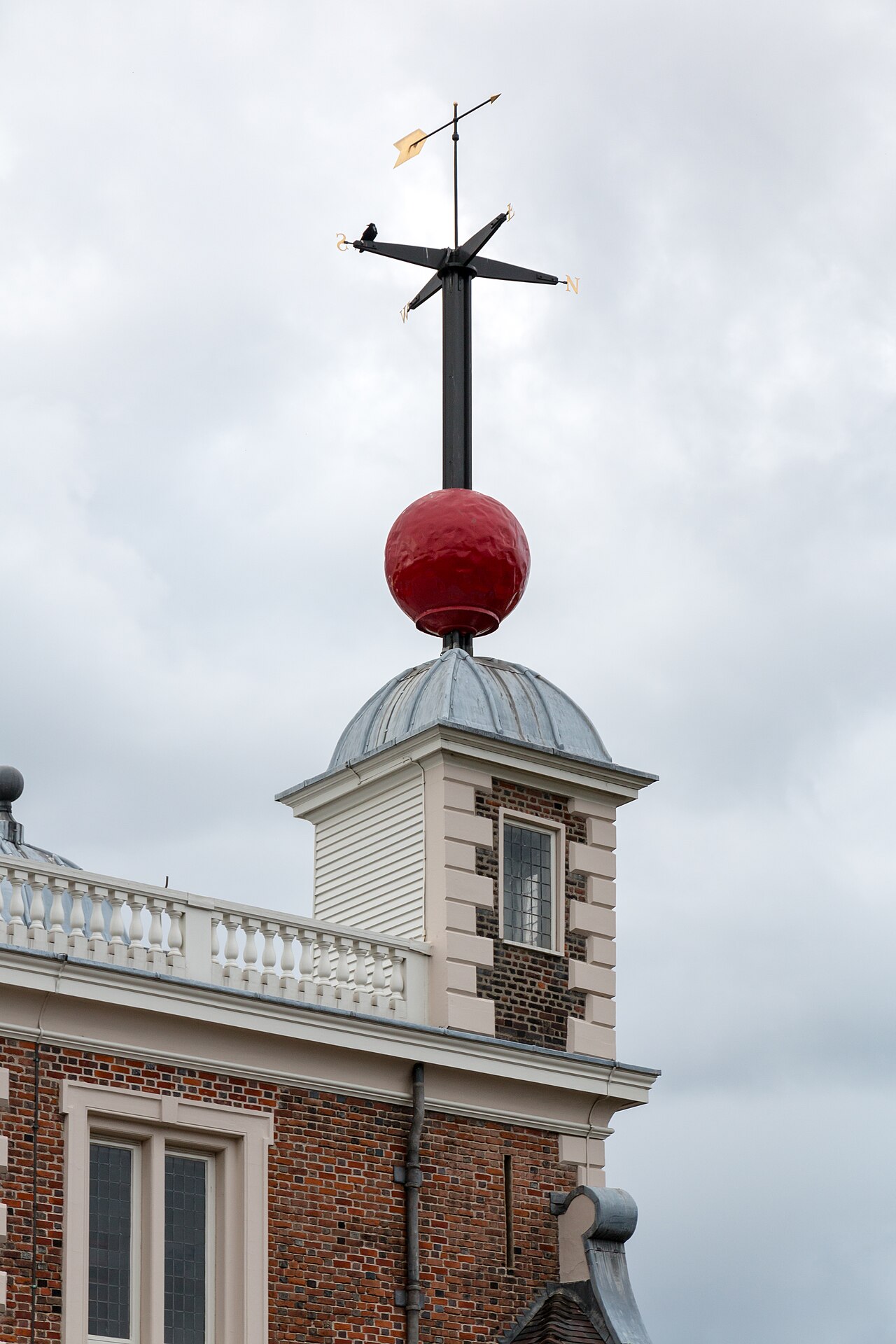
The original observatory complex grew around a series of purpose-built structures and specialized instruments. Rectangular brick buildings and domes housed transit circles, mural quadrants and other classical instruments used for precise positional astronomy. Later centuries added more advanced devices and housed important timekeepers and chronometers. Typical instruments associated with observatories of this type included:
- Transit instruments and meridian circles for measuring stellar positions
- Mural quadrants and sextants for angular measurement
- Precision pendulum clocks and marine chronometers for timekeeping
Prime Meridian, time and international impact
One of the observatory's most enduring legacies is the establishment of the Greenwich Meridian—an agreed reference line defined at the site that became the zero degrees longitude used globally. The concept of a single prime meridian and time measured from it simplified navigation, mapping and international time standards. By the 19th century, Greenwich Mean Time (GMT) derived from observations at the observatory and served as a basis for civil time in many countries.
Role and legacy
Beyond its original navigational mission, the observatory contributed to astronomy, surveying, cartography and the global standardization of time. Its scientific staff and instruments advanced star catalogues and helped establish methods still foundational in positional astronomy. The title and responsibilities of the Astronomer Royal have persisted as part of a scientific tradition that began at the site.
Visiting today
Today the buildings at Greenwich form part of a museum and visitor complex where the history of astronomy and navigation is presented to the public. Displays typically cover the observatory's foundation, its instruments, the story of the prime meridian and timekeeping, and notable figures associated with the facility. Visitors can also stand on the historic meridian line marked at the site and explore the surrounding park and riverfront.
Notable facts
- The observatory was created to address a practical maritime problem: determining longitude accurately at sea.
- Its site remains a cultural symbol of the global coordination of mapping and time.
- While the original scientific operations have moved elsewhere over time, the Greenwich complex preserves the heritage of observational astronomy and navigation.
For more detailed historical records and visitor information, sources connected to the observatory and associated institutions provide additional context and archival material. See references to King Charles II, the office of the Astronomer Royal and the first appointee John Flamsteed, and explorations of the subjects of longitude, Greenwich, London and the River Thames.
Related articles
Author
AlegsaOnline.com Royal Observatory, Greenwich: history, functions, and legacy Leandro Alegsa
URL: https://en.alegsaonline.com/art/84483
Sources
- thehistorychannel.co.uk : The History Channel: This day in history
- commons.wikimedia.org : Category:Royal Observatory, Greenwich