
Royal Danish Ballet
One of the world's oldest ballet companies, based at the Royal Danish Theatre in Copenhagen, known for preserving the 19th-century Bournonville style alongside classical and contemporary repertoire.
Overview
The Royal Danish Ballet is one of the oldest professional ballet companies still in existence. It is based at the Royal Danish Theatre in Copenhagen, Denmark, and has been central to Danish performing arts since the 18th century. The company's history and artistic identity are tied closely to its institutional home and to a continuous school tradition.
Image gallery
6 Images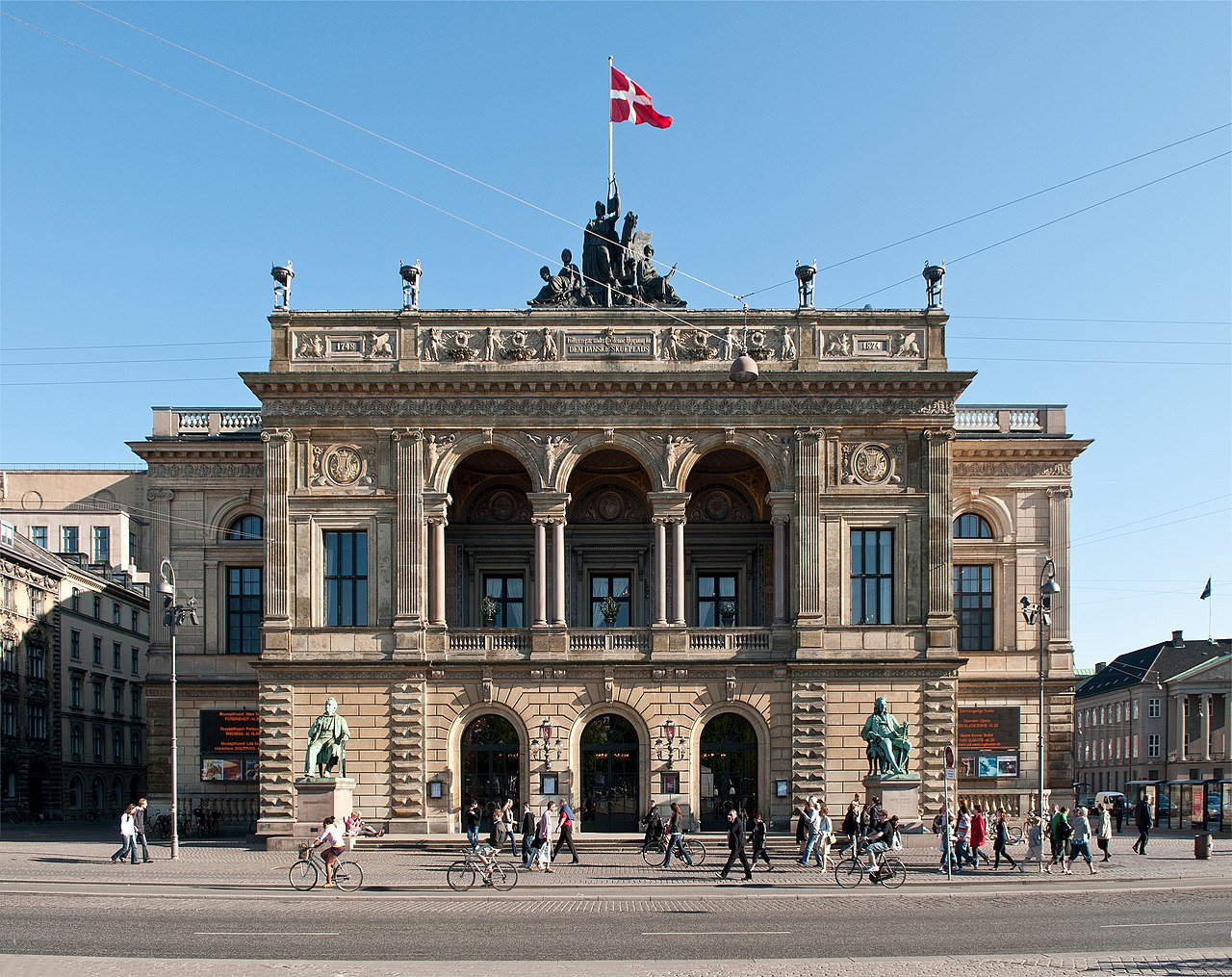


History and development
The origins of the company date back to the founding of the Royal Danish Theatre in 1748. A formally organized company emerged in 1771 amid strong public interest in the fashionable French ballet and Italian dance forms of the era. Over the following centuries the company developed a distinct national profile while remaining in dialogue with broader European dance movements.
Artistic style and the Bournonville legacy
A defining chapter in the company's story is the influence of August Bournonville, a 19th-century choreographer and director whose work shaped the company's technique and repertoire. The so-called Bournonville tradition emphasizes musicality, brisk and precise footwork, clear épaulement and naturalistic mime. Many of his story ballets have been preserved in performance traditions unique to the company.
Characteristics of the Bournonville approach
- Light, fleet footwork and brisk beaten steps.
- Modest upper-body carriage with expressive, narrative mime.
- Emphasis on musical phrasing and ensemble clarity.
- A repertory that blends dramatic storytelling with comedic and lyrical elements.
Training, repertoire and contemporary activity
The Royal Danish Ballet works alongside a dedicated school that trains dancers in the company's specific technical and stylistic demands. Its repertoire includes original Bournonville works, standard classical ballets and commissions of contemporary choreographers. The company tours internationally and participates in cultural exchanges that help keep both historical and modern works in active performance.
Significance and notable facts
As an institution, the company both preserves a distinct national dance heritage and contributes to the living art of ballet. It remains a study point for those interested in historical performance practice, and its methods influence teaching and staging far beyond Denmark. For general information and institutional history see links for company details and archives (further reading).
Related articles
Author
AlegsaOnline.com Royal Danish Ballet Leandro Alegsa
URL: https://en.alegsaonline.com/art/84451