
Royal Institute of British Architects (RIBA)
Professional body for architects in the UK, founded 1834, granted a Royal Charter in 1837. RIBA promotes architectural education, professional standards, awards and public engagement from its headquarters at 66 Portland Place.
The Royal Institute of British Architects (RIBA) is a professional membership body for architects in the United Kingdom. It supports education and practice, sets standards for the profession, and promotes architecture to the public. RIBA is best known for accrediting architectural education, administering professional qualifications, publishing guidance and journals, and running high-profile awards that recognise design excellence.
Image gallery
7 Images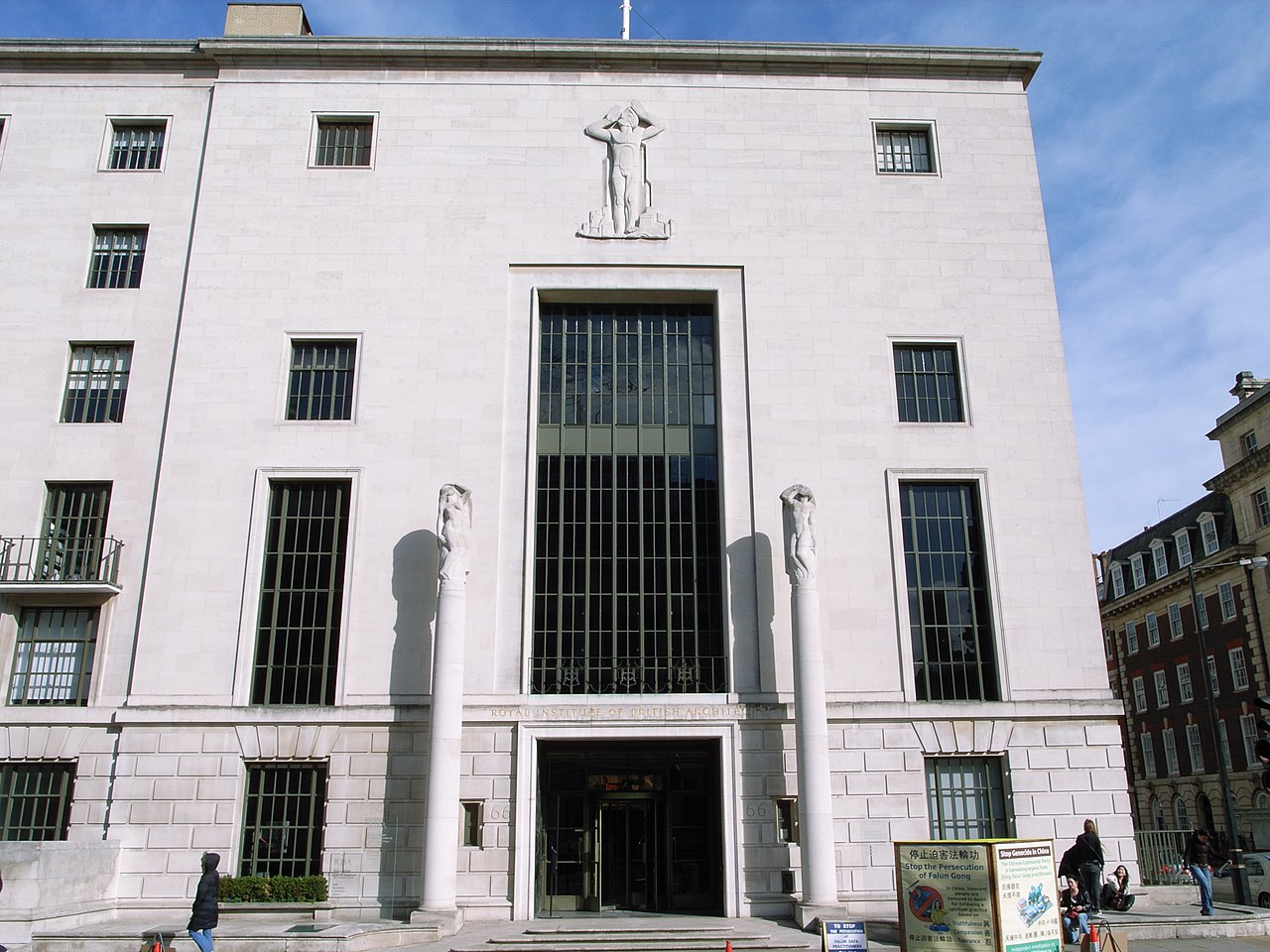




Origins and development
RIBA began in London in 1834 as the Institute of British Architects in London, formed by a group of leading practitioners who sought to raise the quality and status of architecture as a profession. Founding figures associated with its creation include Philip Hardwick, Thomas Allom, William Donthorne, Thomas Leverton Donaldson, John Buonarotti Papworth and Thomas de Grey, 2nd Earl de Grey. The institute received a Royal Charter in 1837 and became the Royal Institute of British Architects; the suffix "in London" was later dropped in the 1890s as its remit expanded beyond the capital.
Membership, qualifications and honours
RIBA is a membership organisation with tens of thousands of members drawn from students, chartered practitioners and other professionals allied to the built environment. Chartered Members may use the post-nominal RIBA to indicate professional status after completing required education and professional examinations. Historically the institute also awarded fellowships; holders of that title use the post-nominal FRIBA. RIBA plays a central role in validating architecture schools and in setting professional standards for registration with statutory bodies.
Activities, services and awards
RIBA’s work covers a wide range of professional and public activities, including:
- Accreditation of architectural education and support for students and early-career architects.
- Provision of professional development, guidance on practice, contracts and ethics.
- Publication of the RIBA Journal and technical guidance aimed at architects and clients.
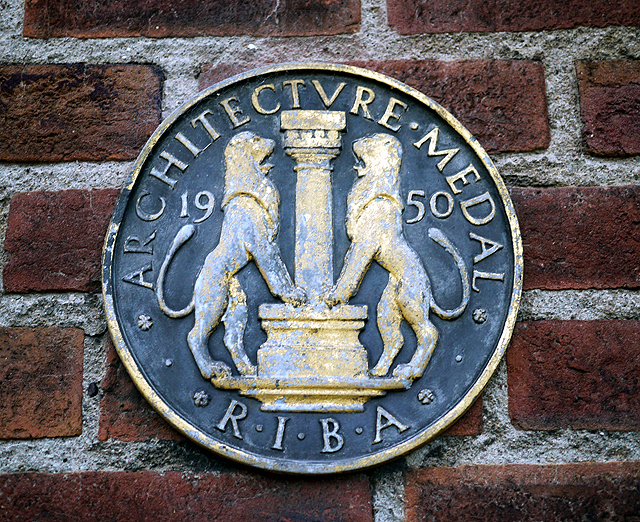
- Organisation of awards and competitions, notably national RIBA Awards and internationally recognised prizes that highlight design excellence.
Headquarters, libraries and public programmes
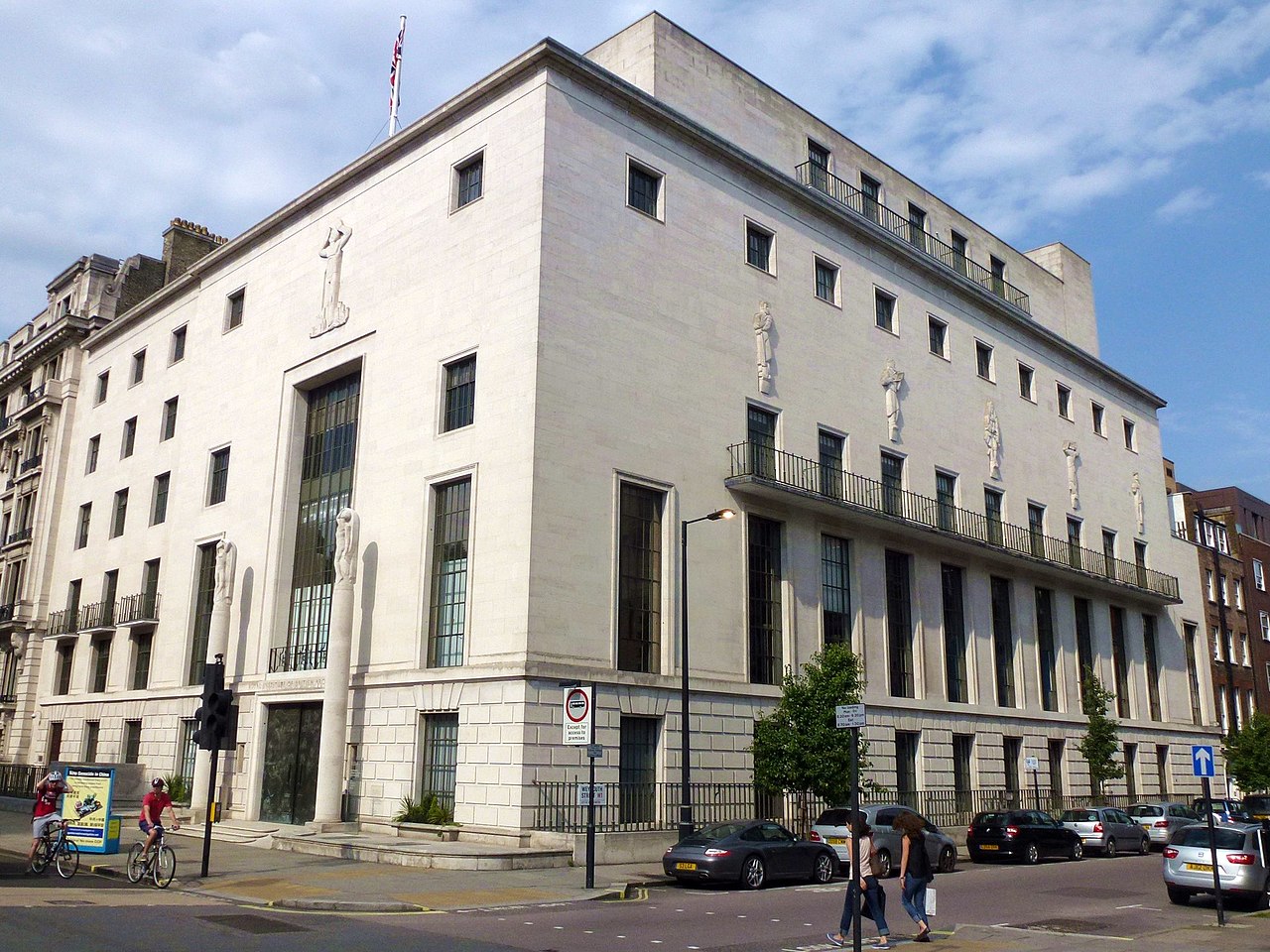
RIBA’s historic headquarters is at 66 Portland Place in central London, a building completed in the early 20th century and recognised for its architectural and artistic interest. The premises include exhibition galleries, a specialist library and archive, lecture theatres, a bookshop and cafés, and spaces that are used for events and public programmes. The institute maintains regional offices across the UK to support local members and engage with regional planning and design initiatives. For general information and membership details see the institute’s official site: RIBA official site.
Significance and public role
Beyond its role in the professional regulation of architects, RIBA acts as an advocate for the built environment: it contributes to policy debates on planning, sustainability and conservation, and it promotes public understanding of architecture through exhibitions, education programmes and awards. Its library and collections serve as important research resources for historians, practitioners and students. For resources about the institute’s history and archives consult the historical page: RIBA history and archives.
Notable facts and distinctions
The headquarters at 66 Portland Place is listed and noted for its period architecture and interior sculpture work created by prominent artists. RIBA’s awards, such as the national RIBA Awards and other named prizes, are widely regarded in the profession as markers of design achievement. The institute continues to evolve in response to changes in practice, education and public expectations; it remains a central institution in British architecture, connecting individual practitioners with broader debates about design, heritage and urban policy. For information on visiting or services at the London building see: visitor information and library and exhibitions. Additional governance and membership guidance is available here: membership and governance.
Questions and answers
Q: What is the Royal Institute of British Architects?
A: The Royal Institute of British Architects (RIBA) is a professional organisation for architects in the United Kingdom.
Q: When was the RIBA formed?
A: The RIBA was originally named the Institute of British Architects in London and formed in 1834.
Q: Who started the group?
A: The group was started by several important architects, including Philip Hardwick, Thomas Allom, William Donthorne, Thomas Leverton Donaldson, John Buonarotti Papworth and Thomas de Grey, 2nd Earl de Grey.
Q: When was the RIBA awarded a Royal Charter and what did it become?
A: The RIBA was awarded a Royal Charter in 1837, becoming the Royal Institute of British Architects in London, eventually dropping the reference to London in 1892.
Q: How many members does the RIBA have and who is allowed to call themselves chartered architects?
A: The RIBA is a member organisation, with 44,000 members. Chartered Members are allowed to call themselves chartered architects and to add the post-nominals RIBA after their name; Student Members are not permitted to do so.
Q: What is the RIBA building like and where is it located?
A: RIBA is based at 66 Portland Place, London—a 1930s Grade II* listed building designed by architect George Grey Wornum with sculptures by Edward Bainbridge Copnall and James Woodford.
Q: What can the public see at the RIBA building?
A: Parts of the London building are open to the public, including the exhibition galleries and Library. It has a large architectural bookshop, a café, restaurant and lecture theatres. Rooms are hired out for events.
Related articles
Author
AlegsaOnline.com Royal Institute of British Architects (RIBA) Leandro Alegsa
URL: https://en.alegsaonline.com/art/84464