
Rubus: the brambles and berries of the rose family
Rubus is a diverse genus of flowering shrubs and canes in the rose family, including raspberries, blackberries, dewberries and cloudberries; valued for fruit, wildlife habitat, and complex taxonomy.
Rubus is a large genus of woody plants found primarily across temperate regions. Members of the genus form the familiar brambles: trailing canes, arching shrubs and low-growing patch-formers that produce aggregate fruits composed of many small drupelets. Well-known garden and wild fruits such as the raspberry, blackberry and dewberry are all part of this group, along with northern specialists such as the cloudberry.
Image gallery
10 Images
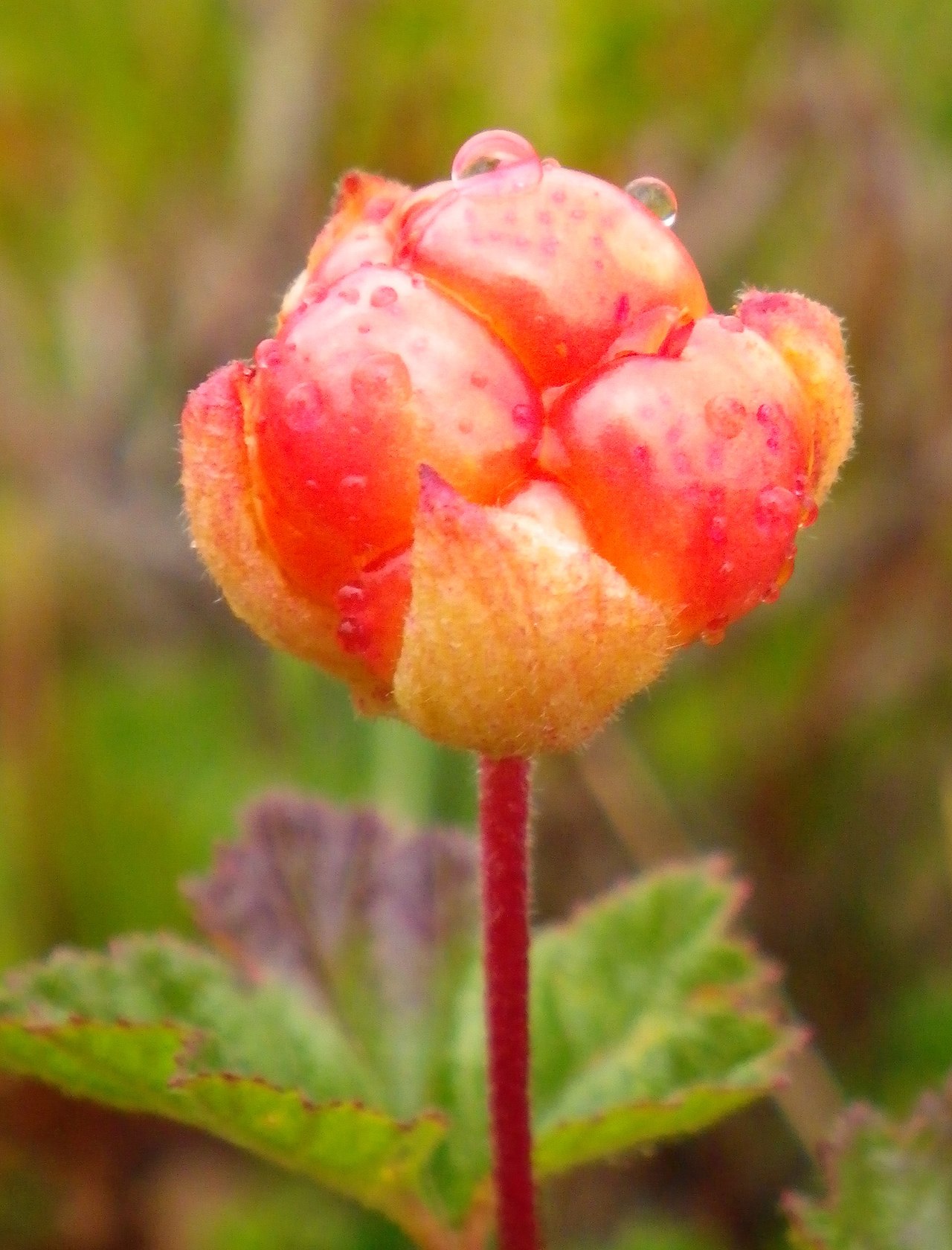


Characteristics
Rubus species are typically perennial at their rootstocks and may produce biennial canes. Stems often bear sharp prickles or bristles, a trait reminiscent of roses. Leaves are commonly pinnate or simple, and flowers usually have five petals. The edible fruits are aggregate—each visible ‘‘berry’’ is an assemblage of many tiny drupes—making their texture and culinary behavior distinct from single-stone fruits.
Taxonomy and origin
Rubus belongs to the Rosaceae, the rose family, a diverse lineage of flowering plants. The genus contains hundreds of species and dozens of horticultural hybrids; frequent hybridization and polyploidy contribute to complex and often disputed species limits. Botanists subdivide Rubus into sections and groups to reflect evolutionary relationships and regional diversity.
Uses and ecological role
Fruits of Rubus species are eaten fresh, processed into jams, desserts and wines, and are valued in home gardens and commercial agriculture. Beyond human use, brambles provide dense cover and abundant fruit for birds and mammals, serve as pioneer plants in disturbed sites, and help stabilize soils. Many cultivars have been bred for larger fruit, disease resistance and thornless canes.
Distinctions, management and examples
Practical differences among common kinds include how the fruit separates from the plant: raspberries typically leave a hollow receptacle on the cane, while blackberries carry the receptacle away with the drupelets. Some wild Rubus can become invasive where conditions favor rapid spread, requiring pruning, mowing or chemical control for management. Gardeners select thornless or semi-erect cultivars to simplify harvest.
- Examples: brambles and canes, raspberries, blackberries, dewberries
- Notable species: garden raspberry, native dewberry, cultivated blackberry hybrids
- Conservation: valuable habitat but occasionally invasive in nonnative ranges
Related articles
Author
AlegsaOnline.com Rubus: the brambles and berries of the rose family Leandro Alegsa
URL: https://en.alegsaonline.com/art/84584