
Rosmarinus (rosemary): overview, characteristics, and uses
Rosmarinus, once recognized as the rosemary genus, comprises aromatic evergreen shrubs native to the Mediterranean. Valued for culinary, medicinal and ornamental uses; taxonomy now treated under Salvia by many botanists.
Overview
Rosmarinus traditionally refers to the group of evergreen, woody, aromatic shrubs commonly called rosemary. These plants are notable for their needle-like leaves and scented foliage. They belong to the mint family, and are widely cultivated around the world for flavoring, fragrance and garden ornament. The name appears in many horticultural and culinary contexts even as botanical classifications have evolved.
Image gallery
6 Images


Characteristics
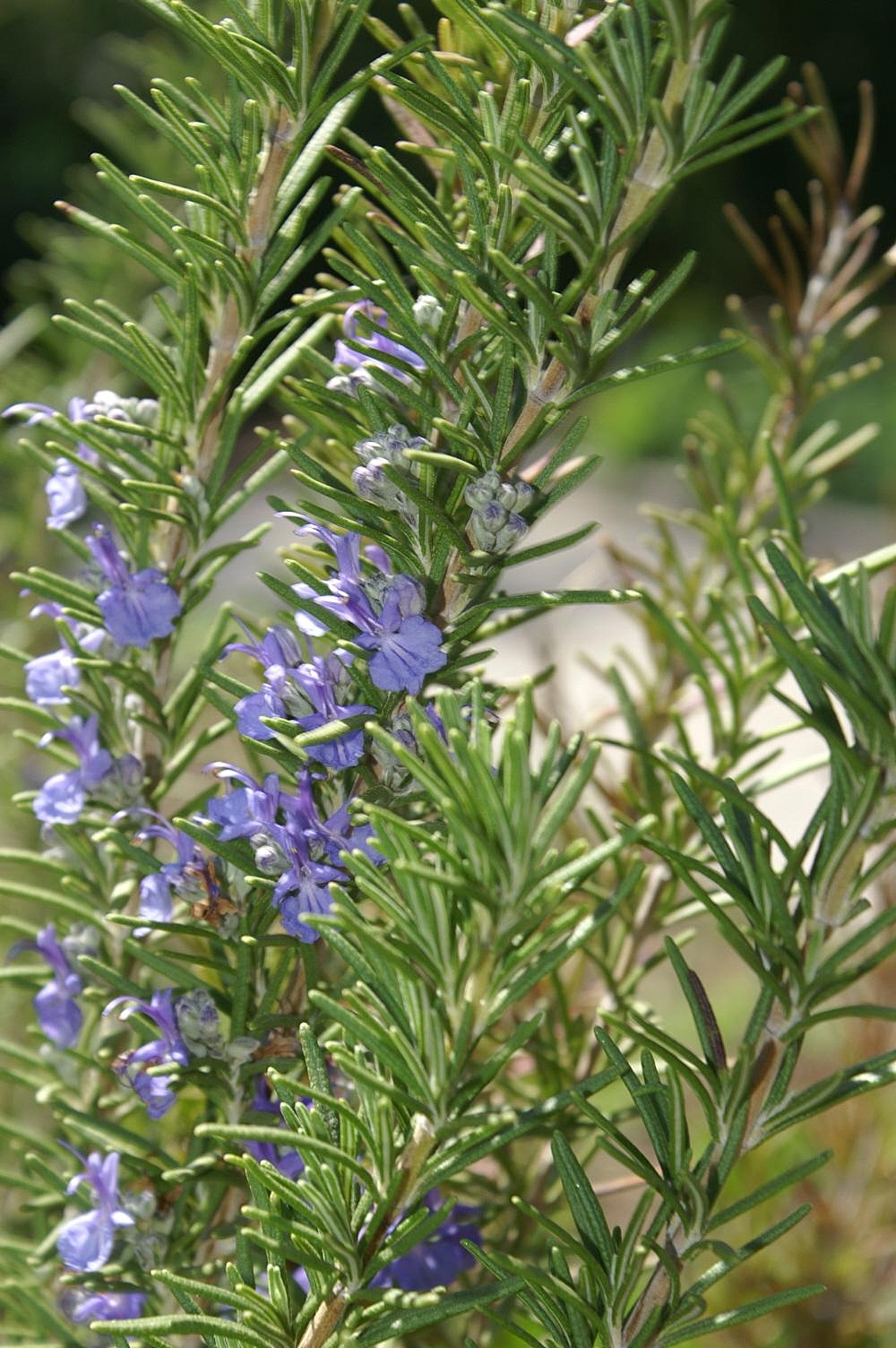
Members of Rosmarinus have narrow, leathery leaves coated with tiny oil glands that release a strong fragrance when crushed. Flowers are typically small and tubular, often blue to purple in wild forms, and attractive to pollinators. Growth habit ranges from upright shrubs to prostrate groundcovers; many cultivated varieties differ in size, foliage color and flower shade. For more on the plant type, see woody perennial herb.
Taxonomy and history
Historically placed in the genus Rosmarinus within the family Lamiaceae, rosemary has long been recognized in Mediterranean cultures. Modern molecular studies have shown close relationships with sages, and many taxonomists now include these species in the genus Salvia. Despite this change, the traditional name Rosmarinus persists in gardening, cooking and trade.
Uses and cultivation
Rosemary is widely used for culinary seasoning, aromatherapy, and as an ornamental. It tolerates dry, well-drained soils and sunny sites, making it a common choice for Mediterranean-style gardens and xeriscaping. Typical uses include:
- Fresh or dried herb in cooking and food preservation.
- Essential oils and perfumes derived from leaf extracts.
- Landscape uses as hedging, espalier, or groundcover varieties.
Notable facts and distinctions
Rosemary has cultural associations with memory and remembrance in several European traditions and appears in ancient herbals. It is drought-tolerant, deer-resistant, and useful for attracting bees. Native to the Mediterranean region, the plant thrives in climates with mild, wet winters and hot, dry summers; for more on its native range see Mediterranean.
Related articles
Author
AlegsaOnline.com Rosmarinus (rosemary): overview, characteristics, and uses Leandro Alegsa
URL: https://en.alegsaonline.com/art/84204