
Rubiaceae: the madder, bedstraw and coffee family
Rubiaceae is a large, mainly tropical family of flowering plants (about 600 genera, over 10,000 species) that includes coffee, quinine producers, dyes, ornamentals and many herbaceous species.
Overview
The Rubiaceae are a widespread family of flowering plants commonly referred to as the madder, bedstraw or coffee family. They are highly diverse, with roughly 600 genera and more than 10,000 described species, and occur on every continent except Antarctica, though most species are concentrated in tropical and subtropical regions.
Image gallery
10 Images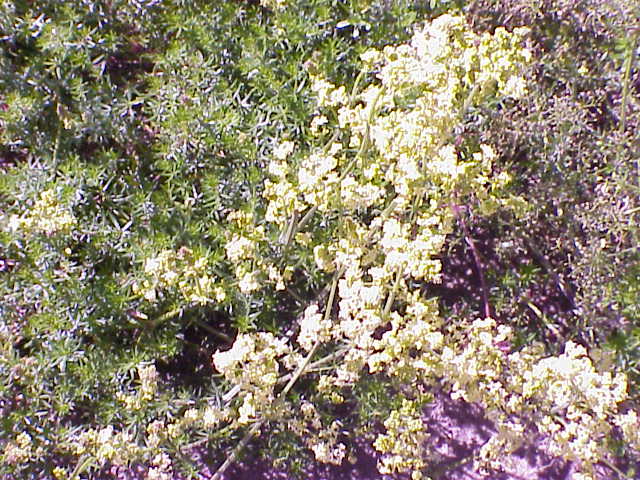


Key characteristics
Members of this family range from tiny annual herbs to large trees and woody lianas. Typical morphological features include opposite or whorled simple leaves, and a diagnostic presence of interpetiolar stipules — small leaf‑like appendages located between the leaf bases. Flowers are usually regular (radially symmetrical), often borne in clusters, with tubular corollas and a floral formula commonly based on fours or fives. Fruits vary widely across the family and include capsules, berries, drupes and schizocarps.
Classification and subfamilies
Modern treatments divide Rubiaceae into several major lineages, most commonly arranged in three large subfamilies: Rubioideae, Cinchonoideae and Ixoroideae. These groups are defined by a combination of morphological characters and molecular data and contain many of the well known genera.
Economic and cultural importance
Rubiaceae includes several plants of major human significance. The genus Coffea provides the coffee beans that underpin a global beverage industry and significant economies. The bark of Cinchona species supplied quinine, an early effective treatment for malaria. Roots of Rubia (madder) were historically used to produce the red dye alizarin. Numerous species are cultivated as ornamentals (for example, Gardenia) or valued in traditional medicines.
Notable genera and examples
- Coffea — source of coffee (two major cultivated species are widely grown worldwide).
- Cinchona — historically important source of quinine for malaria treatment.
- Rubia and Galium — madder and bedstraws, associated with dyes and traditional uses.
- Gardenia and Psychotria — genera containing many ornamental or ecologically important species.
Ecology and distinctions
Rubiaceae species occupy a wide range of habitats, from forest understories to savannas and montane woodlands. They often play important ecological roles as food sources for insects, birds and mammals. Taxonomically, the family is notable for its consistent leaf arrangement and stipules, which help distinguish its members from other plant families. Ongoing botanical research continues to refine internal relationships and to discover new species, especially in tropical regions. For further taxonomic details see the family overview or botanical treatments at a specialist source such as the family pages or floristic databases.
Questions and answers
Q: What is Rubiaceae?
A: Rubiaceae is a family of flowering plants, commonly known as the madder, bedstraw, or coffee family.
Q: How many genera are there in Rubiaceae?
A: There are about 600 genera in Rubiaceae.
Q: How many species are there in Rubiaceae?
A: There are more than 10,000 species in Rubiaceae.
Q: How many subfamilies are there in Rubiaceae?
A: There are three subfamilies in Rubiaceae; Rubioideae, Cinchonoideae and Ixoroideae.
Q: What are the common names for Rubiaceae?
A: Rubiaceae is commonly known as the madder, bedstraw, or coffee family.
Q: What is the name of the subfamily that includes coffee plants?
A: The subfamily that includes coffee plants is Cinchonoideae.
Q: How diverse is Rubiaceae?
A: Rubiaceae is a diverse family of flowering plants with about 600 genera and over 10,000 species.
Related articles
Author
AlegsaOnline.com Rubiaceae: the madder, bedstraw and coffee family Leandro Alegsa
URL: https://en.alegsaonline.com/art/84569
Sources
- species.wikimedia.org : Rubiaceae
- delta-intkey.com : Rubiaceae
- delta-intkey.com : Henriquezaceae
- delta-intkey.com : Dialypetalanthaceae
- delta-intkey.com : Theligonaceae
- delta-intkey.com : Naucleaceae
- delta-intkey.com : L. Watson and M.J. Dallwitz (1992 onwards). The families of flowering plants: descriptions, illustrations, identification, information retrieval.
- delta-intkey.com : delta-intkey.com/
- mobot.org : Rubiaceae