
Rose garden (Rosarium): design, history, cultivation, and significance
Comprehensive article about rose gardens (rosaria): their design, history, types of roses displayed, cultivation and cultural importance, with notable examples and distinctions.
Overview
A rose garden, often called a rosarium, is a planned outdoor space where roses are cultivated and displayed for aesthetic, educational, or scientific purposes. These gardens range from small public beds in urban parks to large specialized collections and botanical displays. Some rose gardens focus on seasonal beauty and visitor experience, while others preserve heritage varieties, support breeding programs, or serve as demonstration plots for gardeners.
Image gallery
10 Images





Design and characteristics
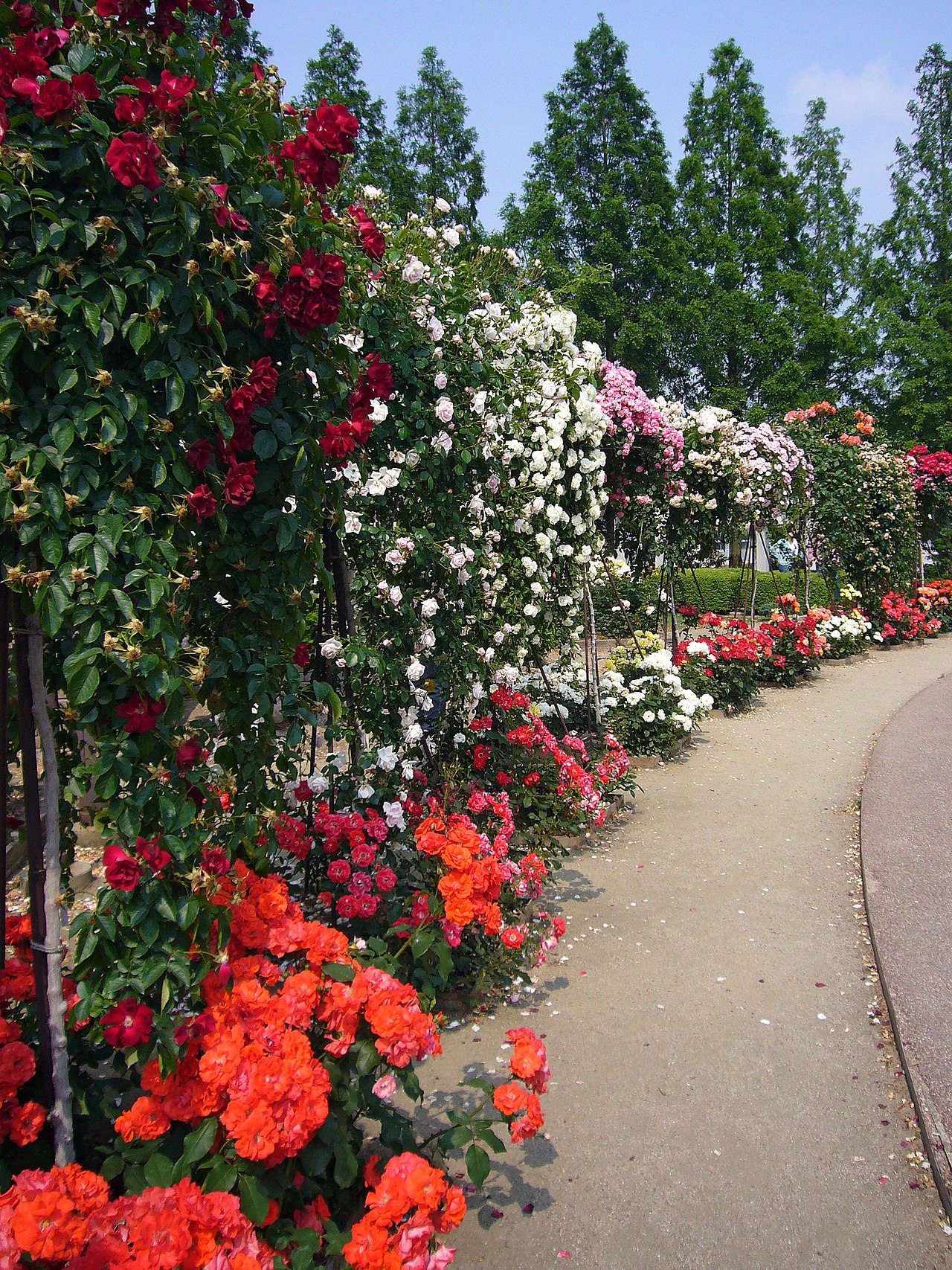
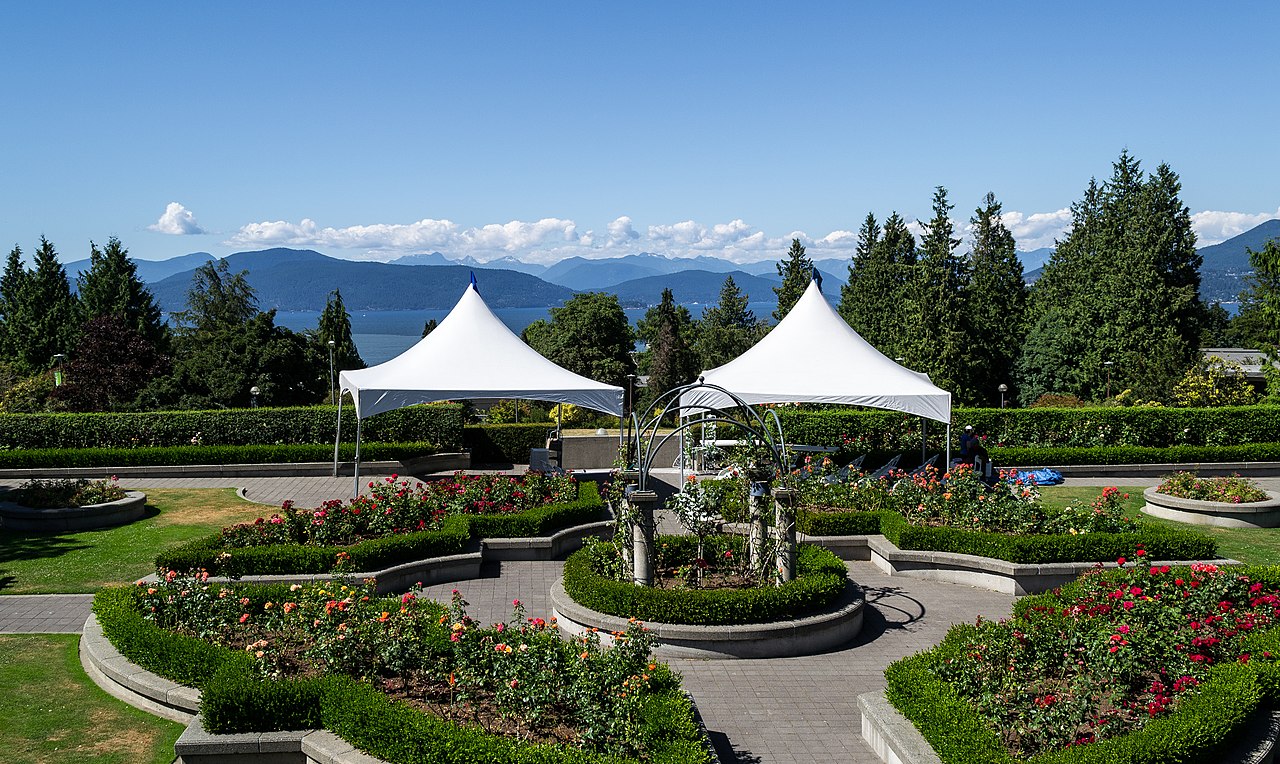
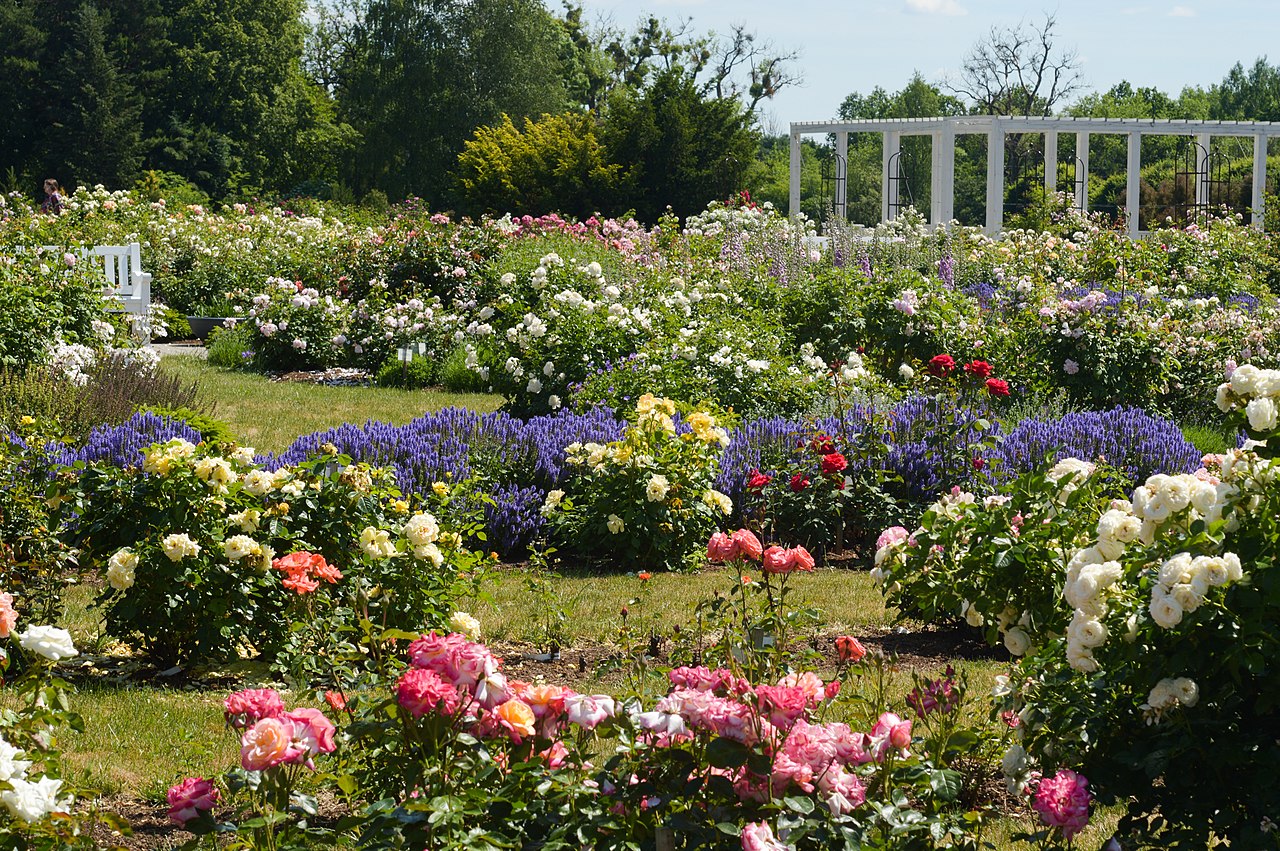
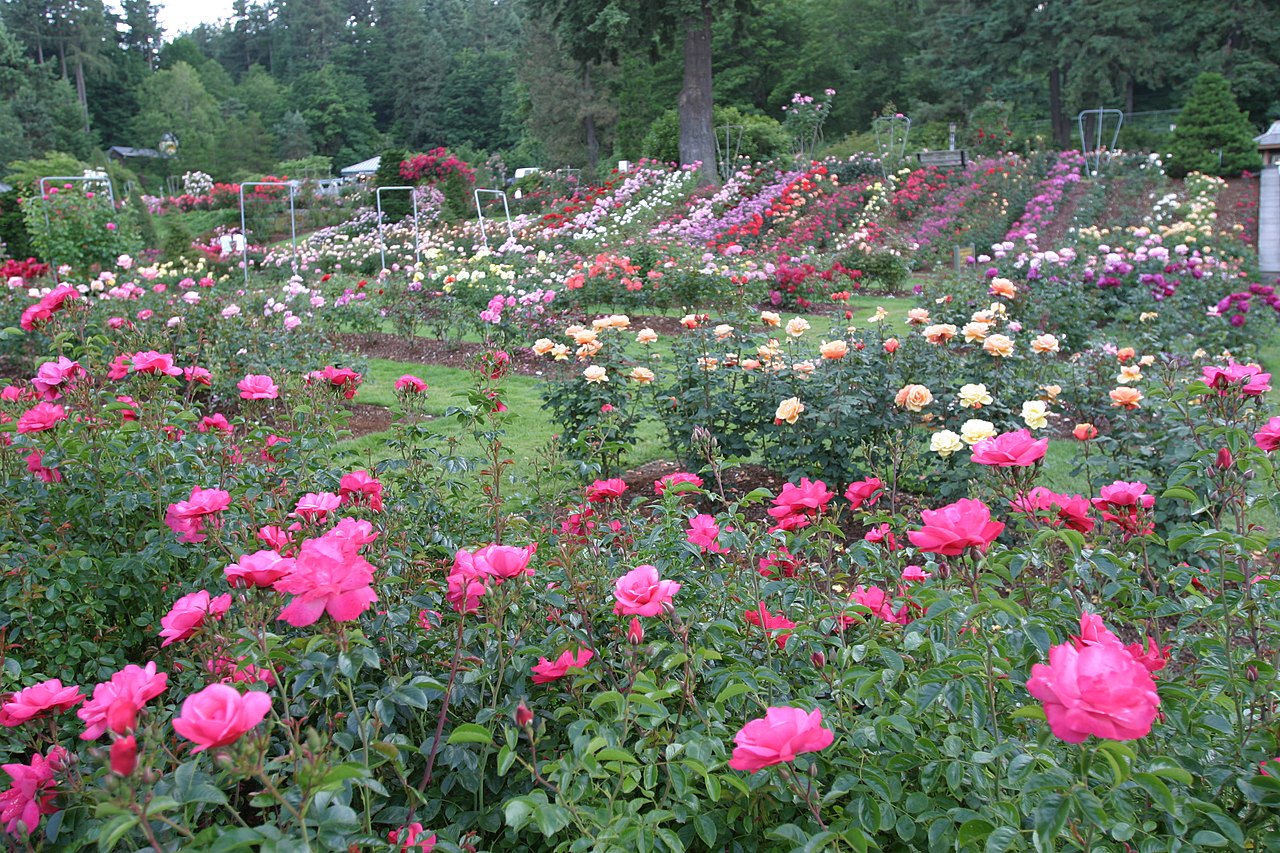
Rose gardens typically combine horticultural considerations with formal or informal landscape design. Common elements include beds organized by variety, color or form; climbing structures and arbors for ramblers and climbers; shaded seating; and dedicated areas for hybrid tea, floribunda, shrub, old garden and species roses. Important practical features are soil preparation, drainage, irrigation, and pathways that allow access for maintenance and viewing.
- Plant organization: by cultivar, breeder, origin or flowering season.
- Supporting structures: trellises, pergolas and pillars for climbing roses.
- Care facilities: composting, pruning tools, and dedicated propagation benches.
History and development
Formal rose gardens have existed in different forms for centuries, but modern rosaria became especially prominent in Europe from the 18th and 19th centuries. One of the earliest well-documented private rose collections was created by Empress Joséphine de Beauharnais at Malmaison, which contained about 250 varieties at the time of her death. Public and municipal rose gardens later emerged as spaces for citizens to enjoy seasonal displays and as centers for the preservation of older varieties.
Cultivation, research and commercial use
Growing roses in a garden requires attention to variety selection, site conditions and regular maintenance: pruning, pest and disease management, feeding and winter protection. From the 19th century onward, commercial rose breeding and large-scale propagation transformed the industry and the variety of roses available to rosaria and gardeners. Many public rose gardens also support educational programs, cultivar trials and conservation of historic types.
Uses, importance and examples
Rose gardens serve multiple roles: recreational green space for visitors, living museums of horticulture, research plots for breeders and secure collections for rare species. They are often found within public gardens and parks, and present collections of roses for study and enjoyment. Historic examples include Empress Joséphine’s collection at Malmaison (Joséphine de Beauharnais) and the early 19th-century Rosenhöhe Park in Darmstadt (Rosenhöhe, Germany), both important in shaping rosarium culture.
Distinctions and notable facts
Rose gardens differ from ordinary ornamental beds by their focus on the range and documentation of cultivars, and by the frequency of pruning, labeling and trialing. Many large collections partner with growers and breeders involved in commercial breeding to maintain living archives and to trial new cultivars. Whether small or grand, a well-managed rosarium balances horticultural practice with design, conservation and public education.
Questions and answers
Q: What is a Rosarium?
A: A Rosarium is a garden or park where roses are grown and can be open to the public.
Q: What is the purpose of most rose gardens?
A: Most rose gardens are used to present and grow various types of roses.
Q: Who planted the first known rose garden and where was it planted?
A: French empress Joséphine de Beauharnais planted the first known rose garden in Malmaison.
Q: How many types of garden roses did the garden of French empress Joséphine de Beauharnais have when she died?
A: The garden of French empress Joséphine de Beauharnais had around 250 types of garden roses when she died.
Q: Which old rose garden was created in 1810 by Princess Wilhelmine of Baden?
A: The Rosenhöhe Park in Darmstadt, Germany was created in 1810 by Princess Wilhelmine of Baden.
Q: When did the commercial growing of roses start?
A: The commercial growing of roses started in the 19th century.
Q: What were the important rose gardens created for commercial rose breeding?
A: The important rose gardens created for commercial rose breeding were not mentioned in the text.
Related articles
Author
AlegsaOnline.com Rose garden (Rosarium): design, history, cultivation, and significance Leandro Alegsa
URL: https://en.alegsaonline.com/art/84141