
Rose (Rosa) — Biology, Cultivation, Uses, and Cultural Significance
Overview of the rose (genus Rosa): botanical features, diversity of species and cultivars, history of cultivation, common uses, and practical care and distinctions.
The rose is a widespread group of flowering plants in the genus Rosa. Typically grown as shrubs or climbers, roses display a wide range of forms and colors and are notable for their showy blooms and often fragrant scent. The common name derives from the Latin word Rosa, while the botanical group is treated within the family Rosaceae (see family) and contains hundreds of wild species and very many cultivated varieties.
Image gallery
10 Images


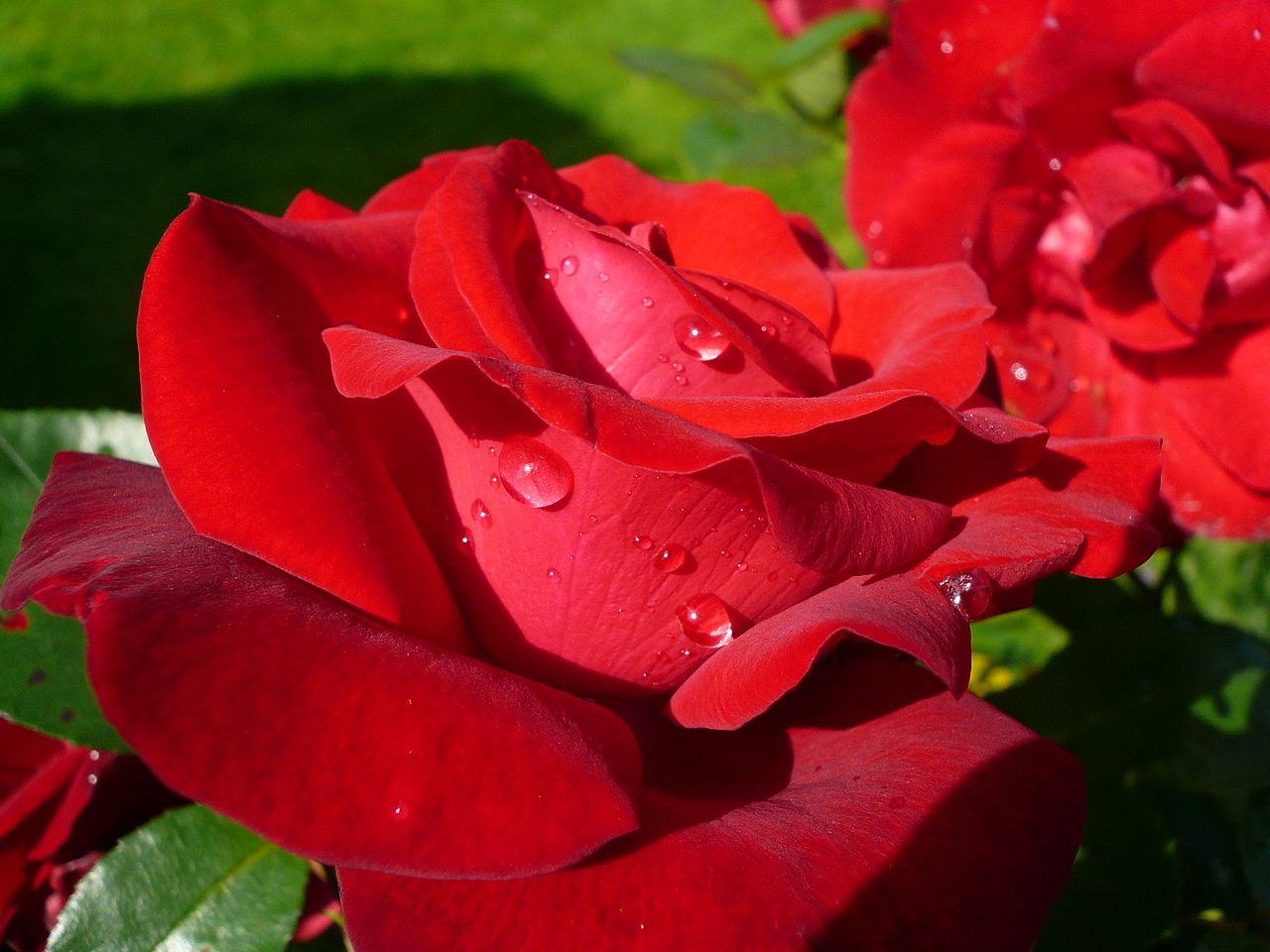


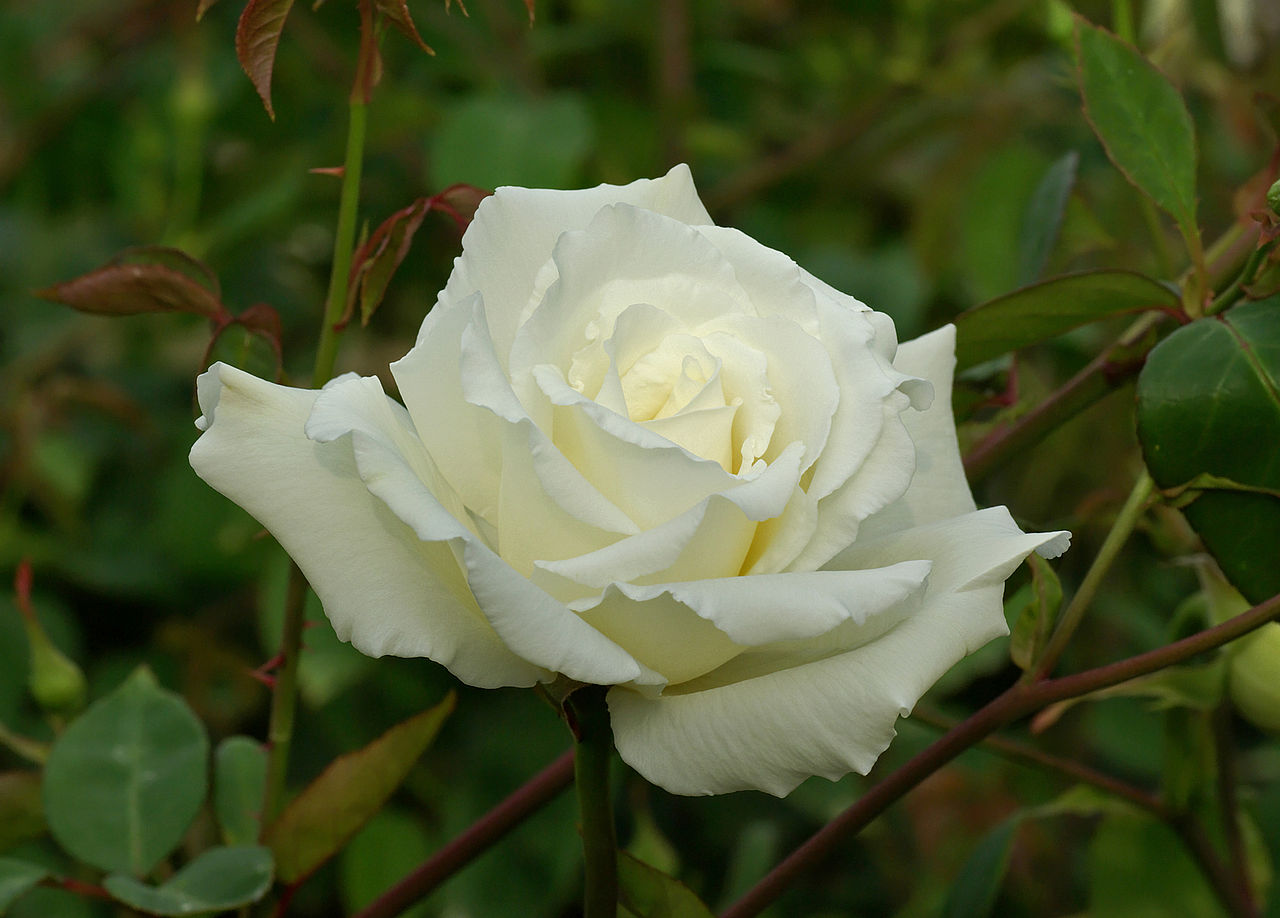

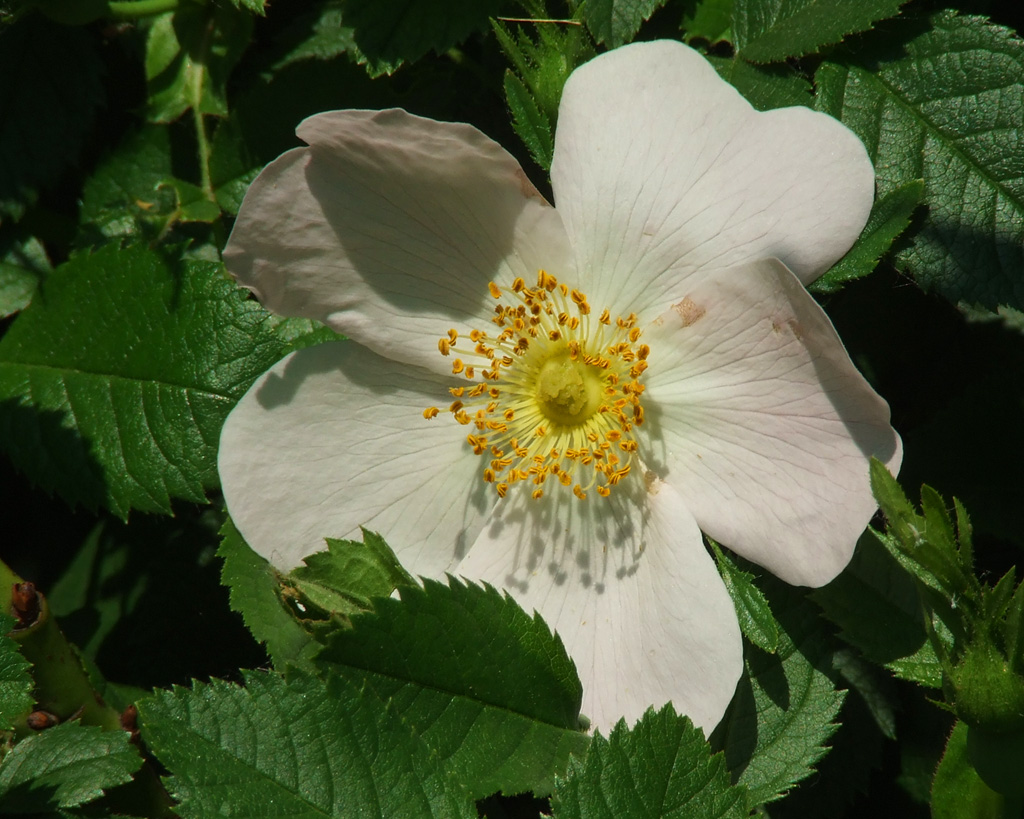
Botanical characteristics
Roses are woody plants with stems that frequently bear sharp projections commonly called thorns (technically prickles). A typical rose flower has multiple layers of petals surrounding stamens and a central pistil; after flowering many species produce a rounded accessory fruit known as a hip. Leaves are usually pinnate with several leaflets, and growth habits range from low groundcovers to tall climbers.
- Structure: stems with prickles, pinnate leaves, solitary or clustered flowers.
- Reproduction: insect-pollinated flowers that set hips containing seeds.
- Variability: colors include red, pink, white, yellow and shades approaching purple; scent varies by cultivar.
Diversity, origin and history
The genus contains over three hundred species and tens of thousands of cultivars created by selective breeding and hybridization. Wild roses are native throughout much of the temperate Northern Hemisphere, historically occurring in regions such as North America, Europe, northwest Africa, and large parts of Asia and Oceania. Human selection has produced garden roses with diverse forms, repeat-flowering habits and novel colors; many modern garden types trace ancestry to introductions from eastern Asia and intensive European breeding programs of the 18th–20th centuries.
Garden classes, cultivation and management
Garden roses are grouped into classes such as species (wild) roses, hybrid teas, floribundas, shrub and landscape roses, climbers and miniatures. Growers select cultivars for bloom form, fragrance, hardiness and disease resistance. Successful cultivation commonly requires full sun, well-drained soil, seasonal pruning and monitoring for pests and diseases like aphids, black spot or powdery mildew. For practical guidance consult horticultural resources or a local extension service (flowering shrub guidance).
Uses and cultural importance
Roses have widespread uses: ornamental plants in parks and gardens, cut flowers in the floral trade, and raw material for perfumes and cosmetics through rose oil and rose water. The hips of some species are used in jams, teas and traditional remedies and are valued for their nutrient content. Roses carry rich symbolic meanings across cultures — love, beauty and secrecy (the phrase sub rosa) — and appear in art, literature and national emblems.
Notable facts and distinctions
Some features commonly misunderstood are that the ‘‘thorns’’ are prickles rather than true woody thorns, and that most modern garden roses are cultivars selected by people (selection history) rather than direct wild forms. Hips are an important wildlife food source and can be decorative (stems and prickles). For gardeners and botanists, distinctions between species, hybrids and cultivar groups affect pruning, winter care and expected flowering patterns; further horticultural reading and local advice is recommended (species list, cultivar resources).
Additional practical and reference topics include propagation methods, landscape uses, integrated pest management and conservation status of wild species. Reliable introductions and care sheets are available from botanical gardens and extension services (plant defense and care), specialized rose societies (regional societies) and horticultural libraries (historic records, European cultivation, North American guides, Oceania references, family treatments, taxonomic notes).
Questions and answers
Q: What is the name of the plant family that roses belong to?
A: Roses belong to the family of plants called Rosaceae.
Q: Where did wild roses originally grow?
A: Wild roses originally grew in North America, Europe, northwest Africa and many parts of Asia and Oceania.
Q: How many species of rose are there?
A: There are over 100 different species of roses.
Q: What colors do rose flowers come in?
A: Rose flowers come in many different colors, from the well-known red rose or yellow rose and sometimes white or purple rose.
Q: Do all garden roses have a strong scent?
A: Many roses have a strong, pleasant scent, but not all garden roses will have this trait.
Q: What is the fruit of a rose bush called?
A: The fruit of a rose bush is called a hip.
Q: Are spines on stems common among plants?
A: Yes, spines (incorrectly called thorns) on stems is a common defense system in plants.
Related articles
Author
AlegsaOnline.com Rose (Rosa) — Biology, Cultivation, Uses, and Cultural Significance Leandro Alegsa
URL: https://en.alegsaonline.com/art/84157
Sources
- species.wikimedia.org : Rosa
- commons.wikimedia.org : Rosa
- etymonline.com : "Online Etymology Dictionary"
- ehow.com : "Description of a Rose Flower"
- books.google.com : books.google.com/books?hl=en&lr=&id=GSQ6HJPncA8C&oi=fnd&pg=PA5&dq=rose+flower+love+symbol…
- rosemagazine.com : "Bits Of Information For Rose Lovers - Rose Magazine"
- paulbardenroses.com : "Old Garden Roses and Beyond"
- adelaidetrabucco.it : Adelaide Trabucco, iconografia rosariana and the Madonna del Santo Rosario di Pompei
- theflowerexpert.com : "Rose Flower Meanings"