
Rus' people (early medieval East Slavic–Varangian community)
The Rus' were an early medieval group whose leaders and name shaped Kievan Rus' and later identities of Russia, Ukraine and Belarus, emerging from Norse–Slavic interaction and control of key trade routes.
Overview
The Rus' were a politically and culturally influential group active in Eastern Europe from roughly the 9th through the 11th centuries. Their name, recorded in Greek as Ῥῶς, gave rise to the toponyms and ethnonyms later rendered as Russia, Ruthenia and Belarus. They are best known for founding and ruling the polity usually called Kievan Rus', which became the core of several successor states.
Image gallery
10 Images




Origins and identity
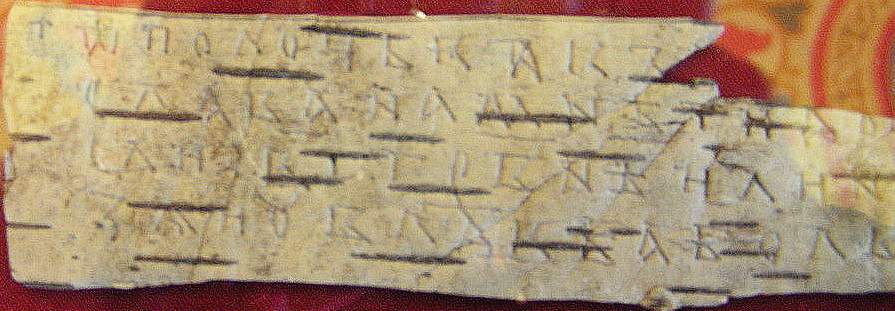
Scholars agree that the Rus' emerged from a mix of Norse adventurers—often called Varangians—and local East Slavic populations. Many early rulers bore Scandinavian names and are associated with maritime and military elites that came from Scandinavia. The exact balance between immigrant leadership and indigenous development remains the subject of scholarly debate, with important sources including the Primary Chronicle and Byzantine accounts.
Political development
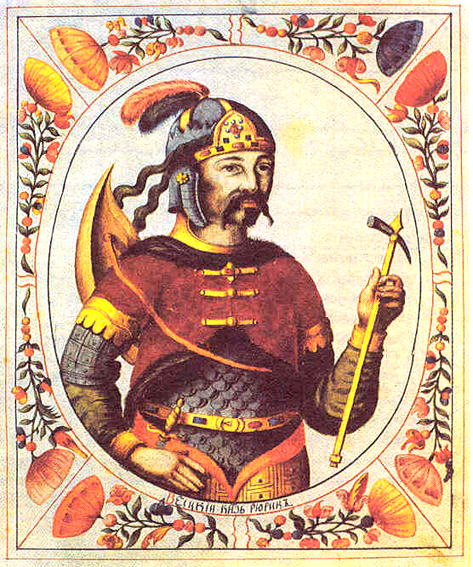
From a power base at Novgorod in the 9th century, leaders of the Rus' established control over trade routes and riverine corridors and later moved their political center to Kiev. Key figures in traditional accounts include Rurik (a reputed founder), Oleg (who secured Kiev), and later princes such as Igor, Olga and Vladimir. Under these rulers the loose federation of principalities consolidated into a regionally influential state.
Economy and trade
Trade lay at the heart of Rus' importance. They connected the Baltic and the Byzantine world via river routes, serving as intermediaries for luxury goods, furs, slaves and metals. Major corridors included:
- the Varangian–Greek route along the Dnieper toward Constantinople,
- river systems toward the Caspian Sea and the Volga trade,
- overland links to Central Europe and the Baltic.
Society and culture
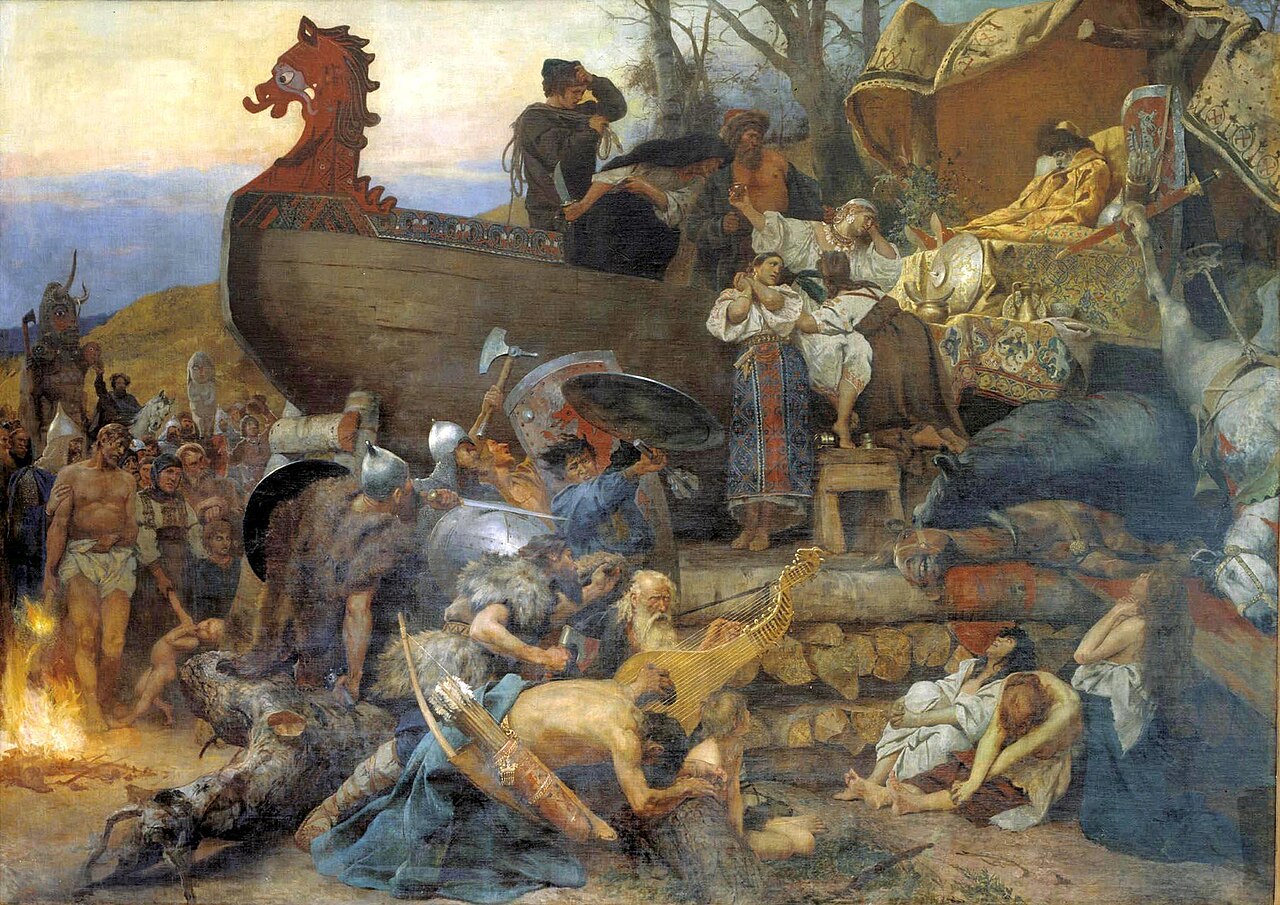
Rus' society combined Norse military and trading practices with Slavic agricultural communities and legal customs. Over time the Slavic language and population became predominant, while Norse elements persisted in elite titles, material culture and mercantile networks. A pivotal cultural change was the Christianization of the ruling elite in the late 10th century, which aligned the state more closely with Byzantine religious and artistic traditions.
Legacy and historical debate
The legacy of the Rus' is central to the national histories of Russia, Ukraine and Belarus. Historians debate questions of origin, ethnicity and succession—issues termed the Normanist controversy among others—but agree on the Rus' role in shaping early medieval statehood, trade, and cultural synthesis in Eastern Europe. For accessible introductions and primary-source translations see standard academic surveys and editions of contemporary chronicles.
Further reading and resources are available through specialist collections and online repositories; introductory entries can be found under the traditional names used above and in studies of early medieval Eastern Europe.
Questions and answers
Q: Who were the Rus' people?
A: The Rus' were an early medieval group or people who gave their name to the lands of Russia, Ruthenia, and Belarus.
Q: Where were the Rus' centered in the mid-800s?
A: The Rus' were centered around Novgorod in the mid-800s.
Q: How long did the Rus' dominate the area?
A: The Rus' dominated the area for over a hundred years.
Q: What type of names did many of the leaders of the Rus' have?
A: Many of the leaders of the Rus' had Scandinavian names, and later both Scandinavian and Slavic names.
Q: With which group did the Varangian Ruses' of Novgorod mingle?
A: The Varangian Ruses' of Novgorod intermingled with the Slavs of Kiev.
Q: What was the combined group called?
A: The combined group was called Kievan Rus'.
Q: What is Belarus?
A: Belarus is one of the lands that was named after the Rus' people.
Related articles
Author
AlegsaOnline.com Rus' people (early medieval East Slavic–Varangian community) Leandro Alegsa
URL: https://en.alegsaonline.com/art/84774
Sources
- snl.no : "rus – folkestamme"
- www2.stetson.edu : www2.stetson.edu/~psteeves/classes/pritsak.html