
Refugee: definition, legal framework, causes and durable solutions
Overview of who refugees are, the core international definition and protections, common causes of forced cross‑border displacement, distinctions from related categories, and typical durable solutions.
Definition and legal basis
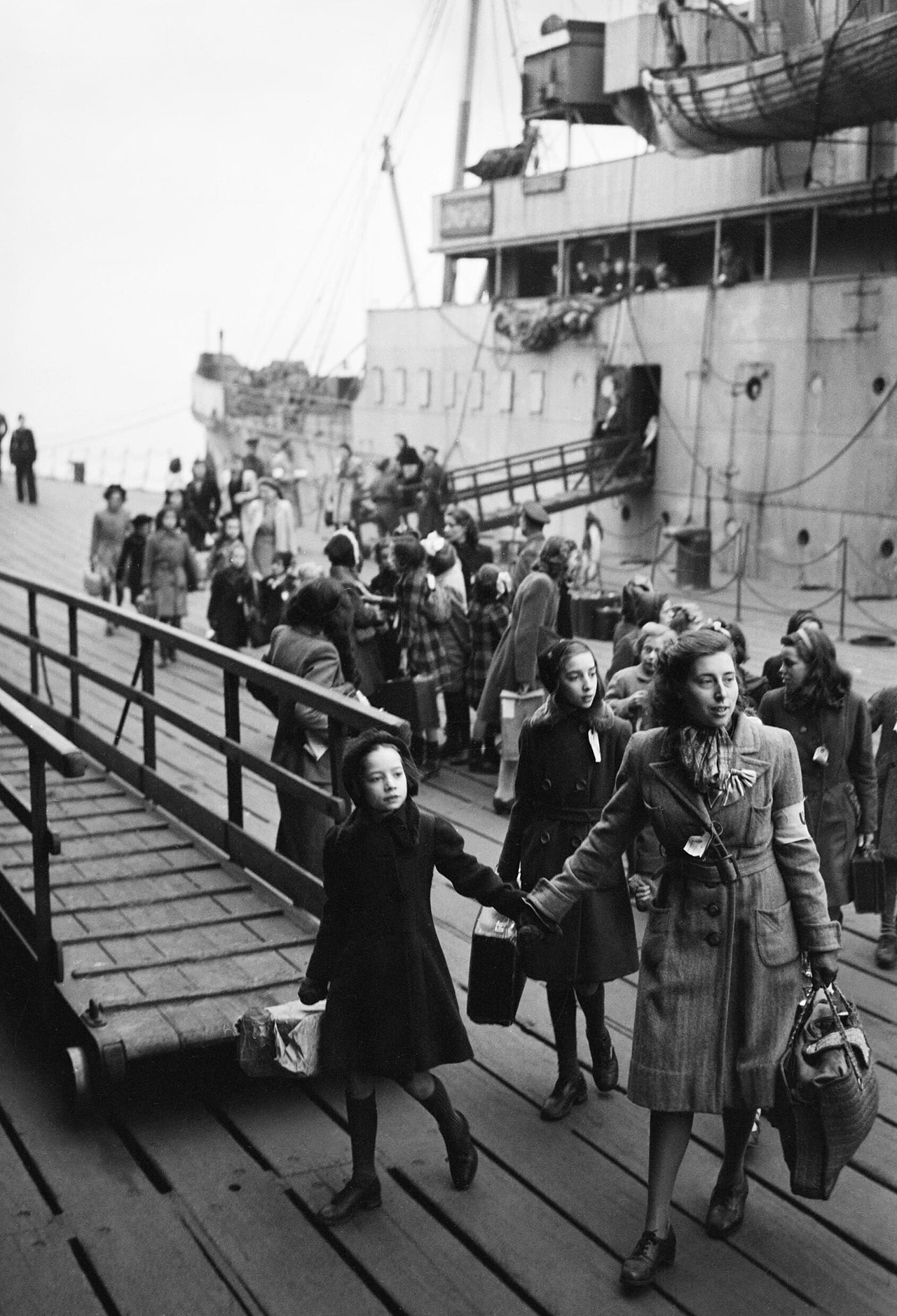
The term "refugee" is defined primarily in international law. The core reference is the 1951 instrument often called the 1951 Refugee Convention, interpreted and applied in the context of its 1967 Protocol. The framework was developed under the auspices of the United Nations and shaped by the historical circumstances of the mid‑20th century (historical context). Under the Convention a refugee is a person who, owing to a well‑founded fear of being persecuted for reasons such as race, religion, nationality, membership of a particular social group or political opinion, is outside their country of nationality and is unable or unwilling to seek that country’s protection.
Image gallery
10 Images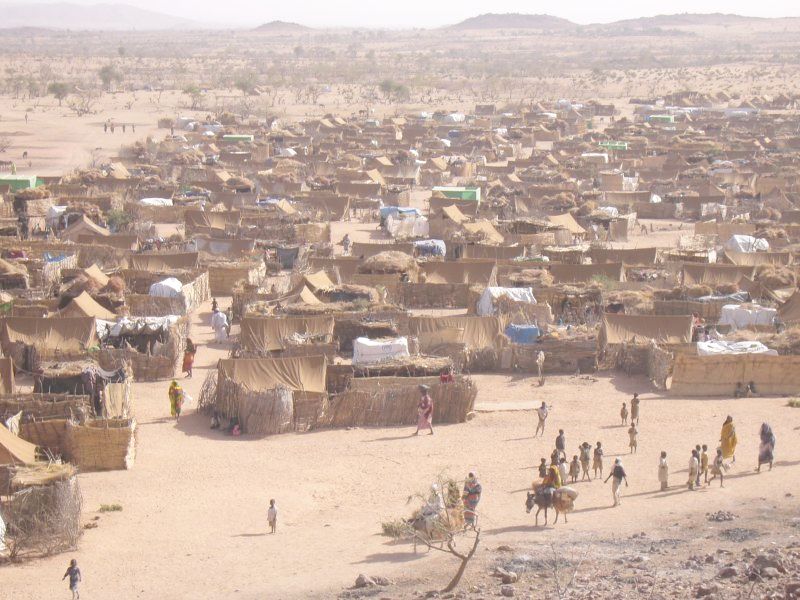



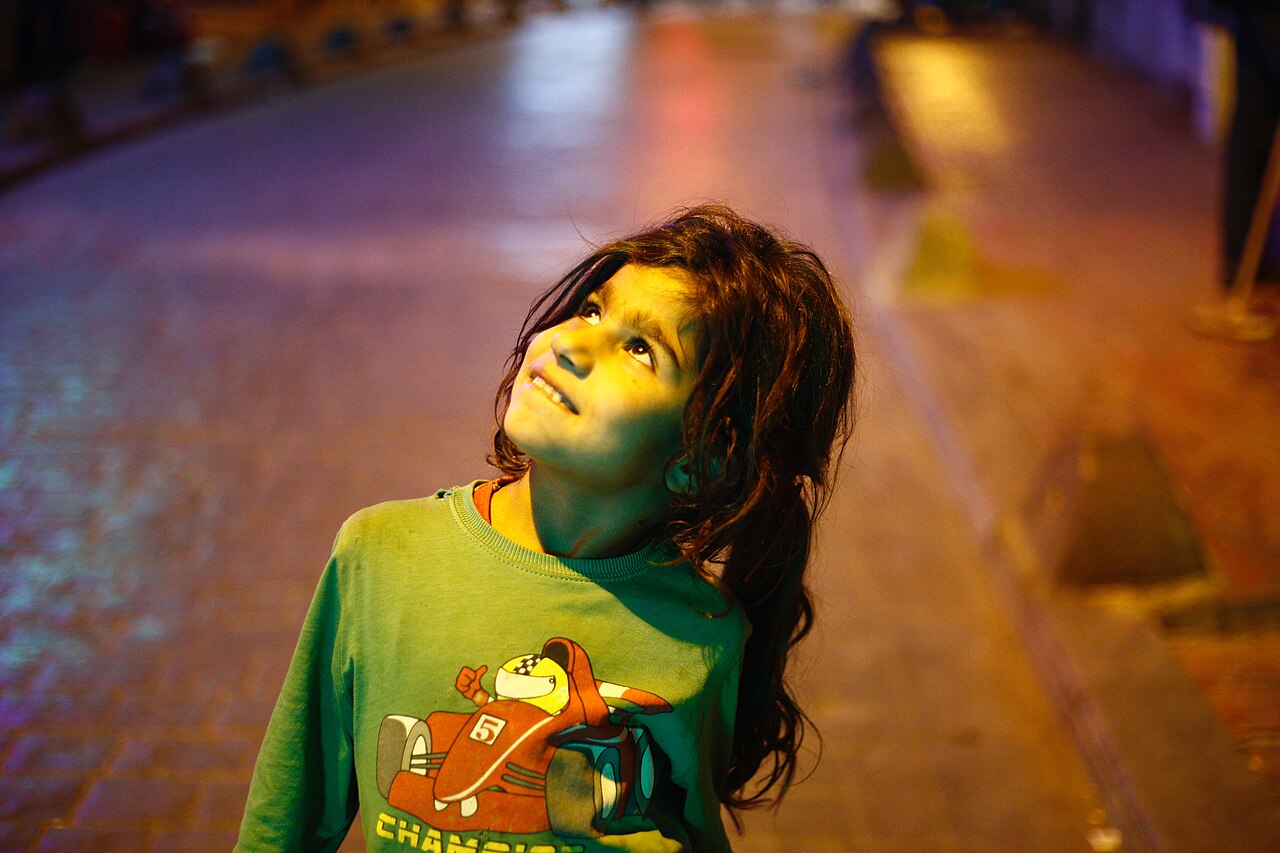


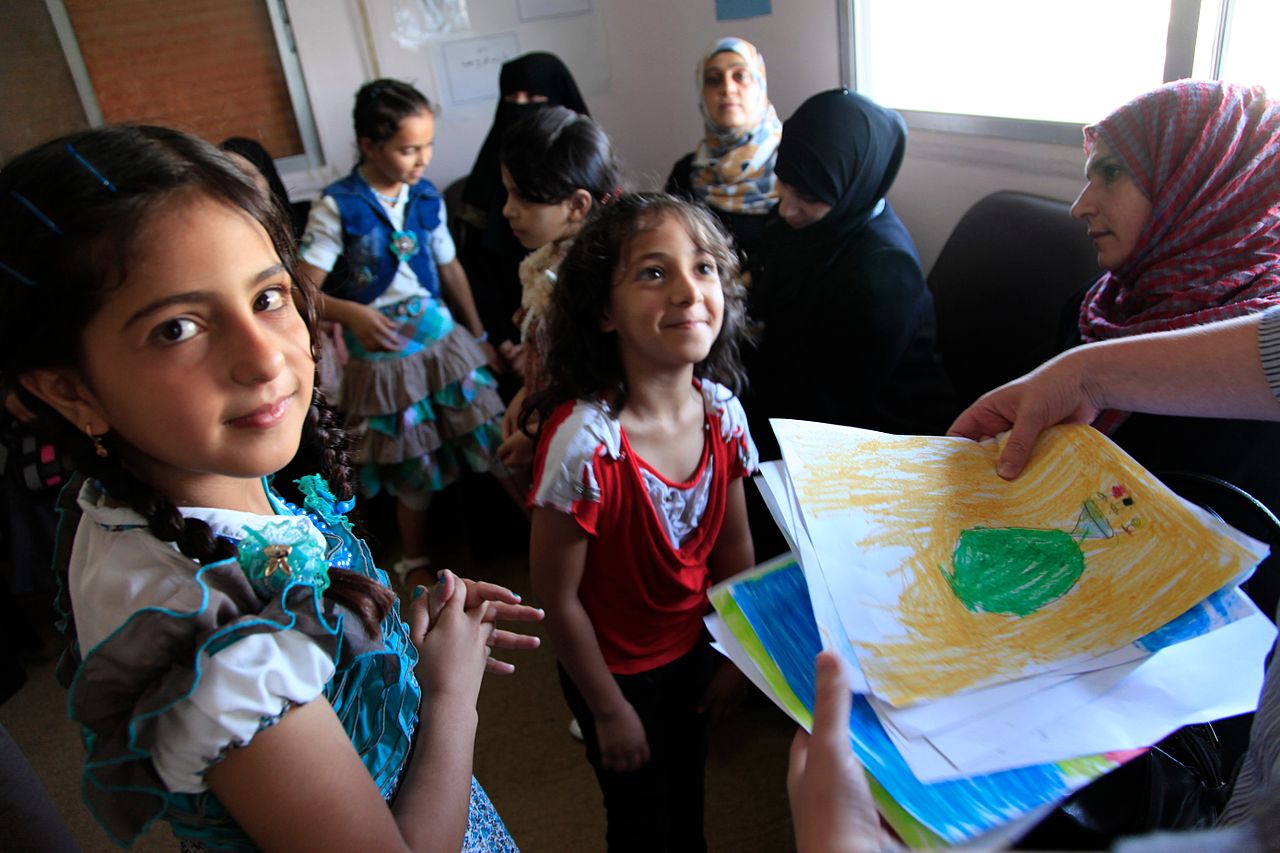
Common causes of forced displacement
Refugees leave their countries for multiple and sometimes overlapping reasons. The legal definition focuses on persecution, but many people flee because of armed conflict, widespread violence, or severe human rights abuses. Environmental hazards and sudden or slow‑onset natural disasters can also trigger cross‑border movement, though not all disaster‑affected migrants meet the Convention criteria. A key practical test is that the person has crossed an international border and seeks protection because returning would expose them to danger.
Protections, rights and regional variations
International protection for refugees includes the principle of non‑refoulement (not returning people to places where they face threats), entitlement to an asylum procedure, and access to basic rights such as shelter, emergency assistance, and where possible education and work. The UN and agencies tasked with refugee protection coordinate responses, while regional instruments and practices adapt the concept to local contexts. For example, instruments developed in Africa and the broader standard adopted in parts of Latin America reflect regional needs and may cover people fleeing generalized violence.
Related categories and legal status
Terms that are often discussed alongside "refugee" have specific meanings. A person who has applied for protection but awaits a decision is an asylum seeker. In the United States, a person who is granted protection after applying for asylum is commonly called an asylee. Internally displaced persons remain within their country and so are not refugees under the Convention, and stateless persons face distinct legal issues because they lack nationality. Clear distinctions matter for access to rights and services.
Durable solutions and practical responses
Responses to refugee situations aim at three classic durable solutions: voluntary repatriation when it is safe to return, local integration in the host country, and resettlement to a third state when neither return nor integration is feasible. In practice, humanitarian organizations, national authorities and local communities provide protection, legal assistance, shelter, and livelihood support. Many refugee situations become protracted, with populations remaining displaced for years, while others are sudden and short‑term. Refugees may live in camps, settlements or urban areas, and their needs and legal entitlements differ across settings.
Practical considerations
Implementation of refugee protection depends on political will, administrative capacity and available resources. National asylum procedures, temporary protection mechanisms and resettlement programs vary widely between states. Effective protection combines legal recognition, access to basic services, pathways for self‑reliance and durable solutions when conditions permit. Understanding the legal definition and regional adaptations helps policymakers, practitioners and the public respond more effectively to forced displacement.
- Key international texts: 1951 Refugee Convention and its 1967 Protocol.
- Institutional context: United Nations bodies and regional mechanisms.
- Major causes referenced in policy: war, violence, persecution (persecution) and environmental shocks (natural disasters).
- Related terms: asylum seeker, asylee, regional approaches in Africa and Latin America.
For introductory legal texts and guidance consult primary instruments and official institutional resources linked to the UN and to regional frameworks; historical commentary and background material are available for the period around 1951. The concept of who qualifies as a refugee remains rooted in protection from persecution but is applied alongside broader humanitarian practice to address forced displacement in the modern era.
Related articles
Author
AlegsaOnline.com Refugee: definition, legal framework, causes and durable solutions Leandro Alegsa
URL: https://en.alegsaonline.com/art/81822
Sources
- unhcr.org : "UNHCR - Refugees"
- uscis.gov : "USCIS - Asylee"